Coarse fishing season 2027: the 16 June river opening
United Kingdom (England, Wales, Scotland, Northern Ireland) – coarse fish
Next opening
16 June 2027
in 266 days
Official date, published by the competent authority.
Coarse close season on rivers, streams and drains: 15 March to 15 June inclusive, every year (national rod fishing byelaws for England; Welsh byelaws enforced by NRW). Rivers reopen on 16 June.
Sources: GOV.UK – National rod fishing byelaws for England: freshwater fishing with a rod and line (checked on 23 September 2026)
Other dates to know
- Wales – coarse fish on rivers and other waters — 16 June 2027
Open 16 June to 14 March (NRW byelaws in force)
NRW – Non-migratory trout, charr, coarse fish and eels open seasons (checked on 23 September 2026) - England and Wales – most enclosed stillwaters and canals
No statutory close season: open all year, unless the owner or club sets one
GOV.UK – Freshwater rod fishing rules: when and where you can fish (checked on 23 September 2026) - Scotland and Northern Ireland – coarse fish
No annual coarse close season (game-water seasons still apply on game fisheries in Northern Ireland)
gov.scot – Recreational fishing (checked on 23 September 2026)
Area by area
Dates taken from the texts for the 2026 season; the “Year” column gives the year of each row.
| Area | Year | Opens | Closes | Bag limit | Note | Source |
|---|---|---|---|---|---|---|
| England – rivers, streams, drains, most stillwater SSSIs, some canals, Norfolk & Suffolk Broads | 2026 | 16 June | 14 March | Rivers: up to 15 small coarse fish (each up to 20 cm), 1 pike up to 65 cm, 2 grayling of 30–38 cm per day; eels must be released | Close season 15 March–15 June inclusive (national byelaw). | source |
| England – most enclosed stillwaters and canals | 2026 | all year | all year | — | Private waters may set their own close season. | source |
| Wales – coarse fish, rivers and other waters | 2026 | 16 June | 14 March | Up to 15 small native coarse fish (each up to 20 cm), 1 pike up to 65 cm (rivers), 2 grayling of 30–38 cm per day; eels and shad may not be removed | No close season on stillwaters and canals, with SSSI exceptions. | source |
| Scotland – coarse fish | 2026 | all year | all year | — | No weekly or annual close times; permission of the rights holder needed. | source |
| Northern Ireland – coarse fish (pike, bream, roach, perch, tench, rudd, carp) | 2026 | all year | all year | DAERA waters: 4 coarse fish per day (pike excluded), 1 pike under 4 kg | Generally no close season, but game fishery seasons apply on game waters. | source |
Packs for this opening
Several catalogue items grouped for one kind of fishing, cheaper than buying them separately. Each page says what the pack includes and what it does not.
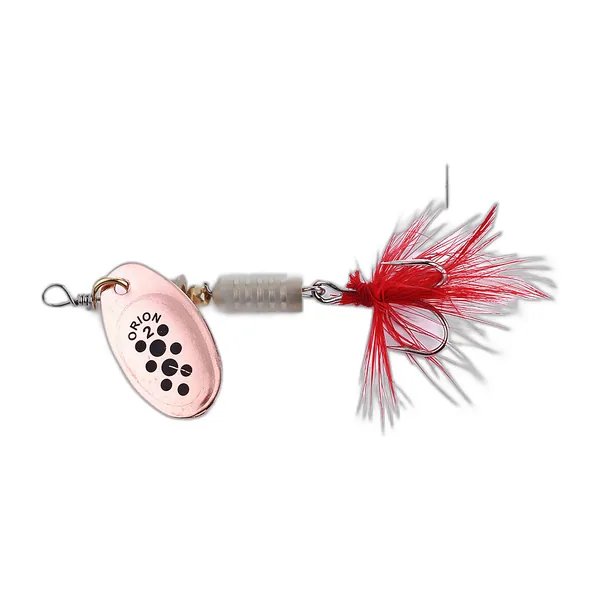
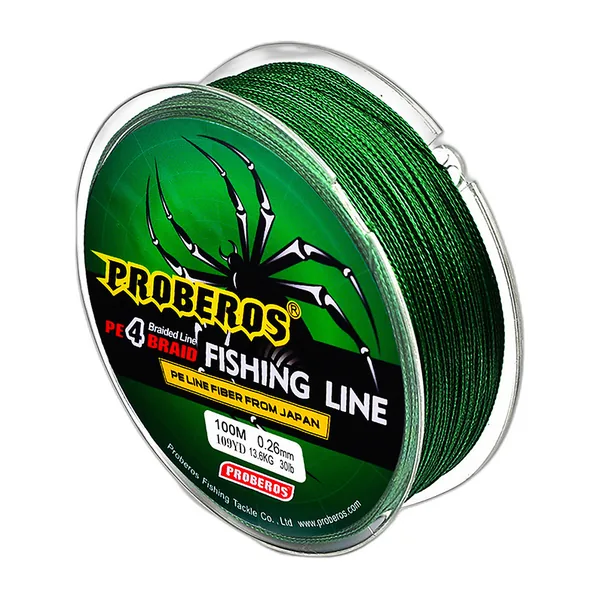 Beginner starter pack: first casts with spinners
€4.90 less than buying separately£2.90 less than buying separately
€43.90£24.90Not shipped to the United States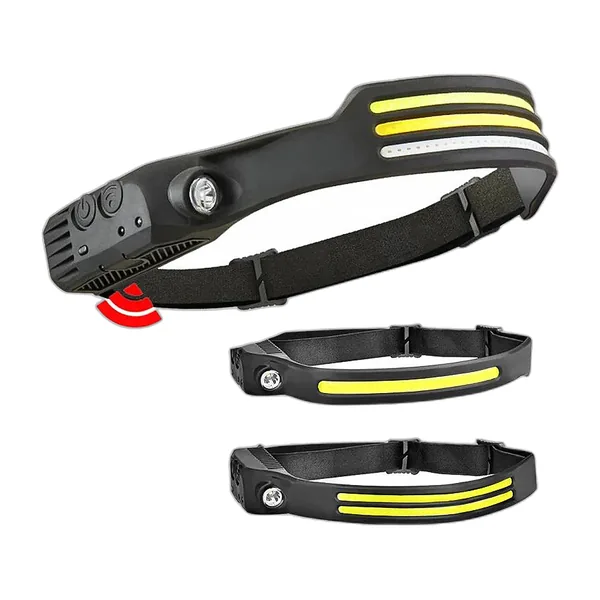
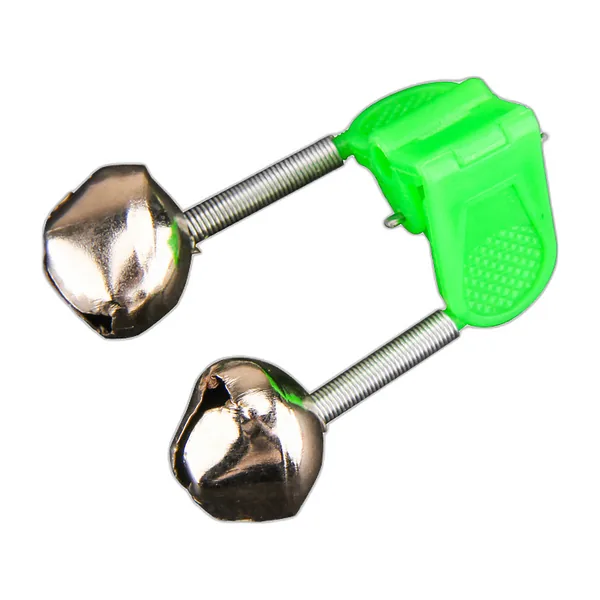
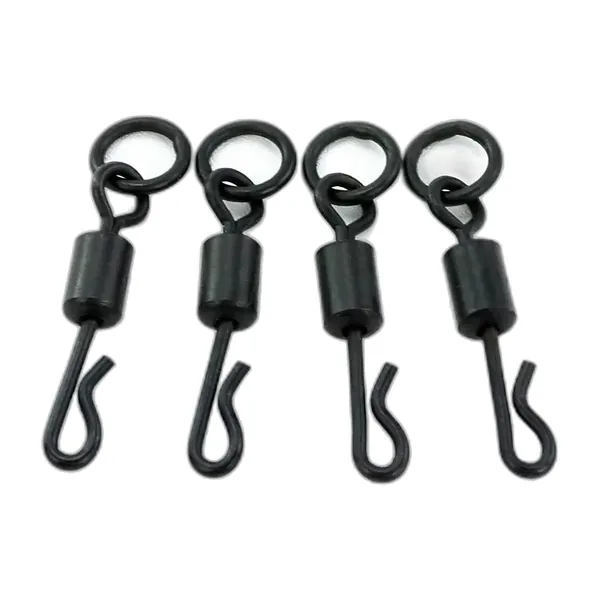
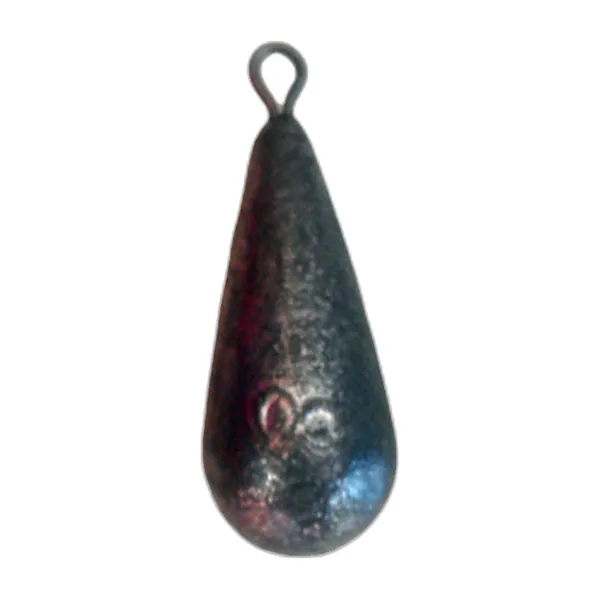 Night carp pack: headlamp, bite bells, rig parts, leads, rests and mat
€21.50 less than buying separately£10.50 less than buying separately
€186.90£97.90Not shipped to the United States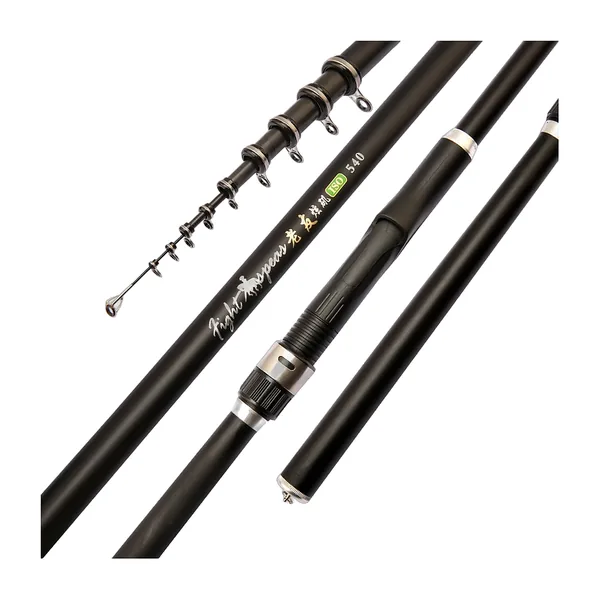
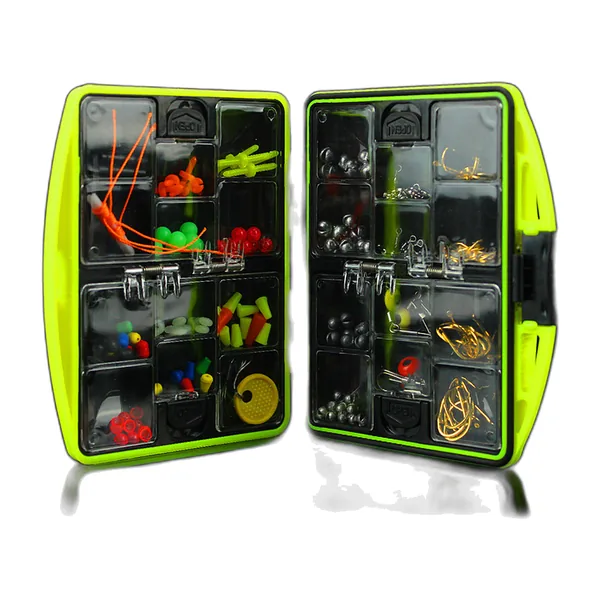
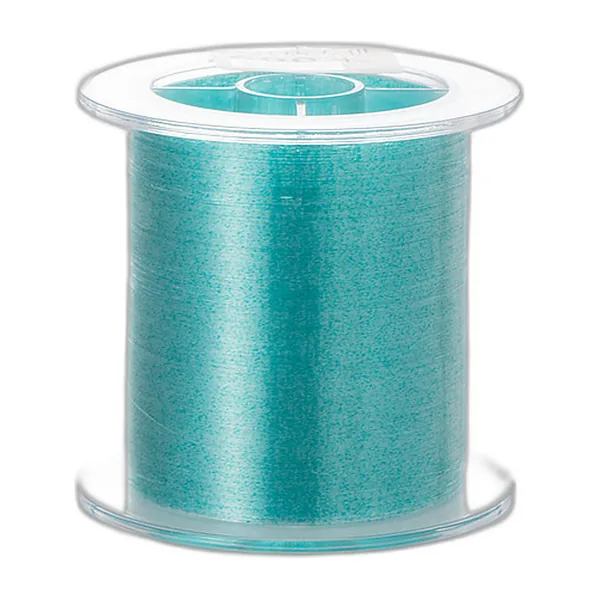
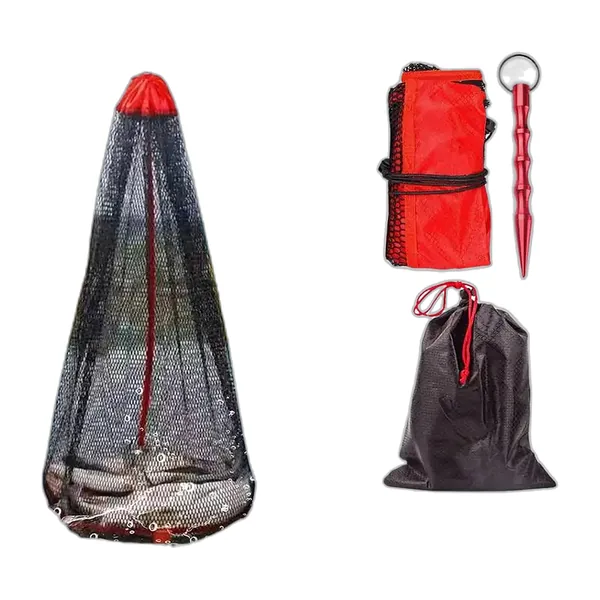 Coarse and ledger fishing pack: 3.60 m rod, rig parts, line, keepnet and tripods
€17.50 less than buying separately£9.50 less than buying separately
€156.90£80.90Not shipped to the United States
What changes on 16 June
In England and Wales the coarse close season on rivers runs from 15 March to 15 June inclusive, so the first legal day back on running water is 16 June. The rule is a standing byelaw, not an annual order: unless it is amended, the 2027 river opening falls on Wednesday 16 June 2027, a midweek start that many clubs plan around. In England the closed waters are rivers, streams and drains, most stillwater SSSIs, some canals and the Norfolk and Suffolk Broads (national rod fishing byelaws). Wales applies the same dates to rivers and other waters under the byelaws enforced by Natural Resources Wales.
The close season is not a harvest rule: during it you may not fish for coarse fish on those waters at all, even if every fish would go back. What reopens on the 16th is fishing for roach, chub, barbel, bream, dace, perch, pike and the other coarse species on rivers, together with eels, which in England must still be returned alive. Most enclosed stillwaters and canals in England never closed, although the owner or club can impose its own close season, so a lake ticket is not proof that a river stretch is open.
Scotland and Northern Ireland work differently
Scotland has no weekly or annual close time for coarse fish, according to the Scottish Government's recreational fishing guidance. There is no rod licence either, but you need the written permission of whoever holds the fishing rights, and 14 Protection Orders make fishing for freshwater fish without a permit a criminal offence in the areas they cover. Our Scotland regulations page lists what the government publishes.
Northern Ireland also keeps coarse fish open all year, but game fishery seasons still apply on game waters, so a pike or roach session on a trout lough follows that lough's game calendar. DAERA requires a coarse rod licence (£17 for a season, 19–59, two rods) and a permit, and a GB or Republic of Ireland licence is not valid there. Details and catch limits are on our Northern Ireland page.
The licence to buy before the opening
Anyone aged 13 or over fishing in England or Wales needs an Environment Agency rod licence, bought on GOV.UK or by phone on 0344 800 5386; Natural Resources Wales sends Welsh anglers to the same service. For coarse fishing the trout and coarse licence covers up to two rods: £7.30 for a day, £14.70 for eight days or £36.80 for twelve months at the 2026/27 rates shown on 23 September 2026. A three-rod twelve-month licence costs £55.30, useful if you plan to fish three rods on a stillwater that allows it. Juniors aged 13 to 16 need a licence but it is free; children under 13 do not need one.
A licence is only half the paperwork: it never gives the right to fish a particular bank. Book the club card or day ticket for the river stretch you want before 16 June, because many clubs sell tickets for the opening in advance. Full details for each nation are on our England and Wales pages.
What rivers are often like in mid-June
Conditions vary from year to year, so treat any forecast of the opening with caution. What the biology tells us is that some species have only just finished spawning when the season reopens. Barbel spawn from May to July on very shallow, fast riffles after an upstream migration, according to FishBase data summarised on our barbel page and reviewed by Britton and Pegg (2011); fish found on those gravels in mid-June may still be spawning or recovering, and are better left alone.
Tench spawn from May to September depending on latitude, at around 19–20 °C, laying eggs every few days for about two months (FishBase; Horoszewicz 198390271-5)). On shallow weedy margins that is a reason to fish a little further out rather than through the spawning beds. Roach, chub and bream spawn earlier, in spring, and the river close season is designed to cover that period (roach, chub).
Methods that suit the first weeks
Rivers in June are usually clearer and lower than in winter, and the fish spread out over gravel runs and weed beds. Trotting a stick float down a run, or fishing a waggler on slower glides, lets you search water and read the depth; our guide to float fishing with the waggler and stick float covers shotting patterns. A feeder is the standard answer for barbel and bream on bigger rivers (feeder fishing), while a pole gives precise presentation on canals and slow lowland rivers (pole fishing).
Carp anglers heading back to rivers will mostly use the rigs described in our hair-rig guide. Hook size matters for big carp: Rapp and colleagues (2008) found it influenced catches in specialised carp angling. If you intend to keep fish in a keepnet during a match, remember that holding fish raises stress markers such as cortisol and lactate (Pottinger, 1998): use a long net, stake it in deep water and release fish promptly.
Mistakes that cost anglers on the opening
Fishing a closed stretch by mistake is the classic one: some canals and most stillwater SSSIs follow the river close season in England, so check the byelaw list or ask the club. Other rules that catch people out: lead weights from 0.06 g to 28.35 g are banned in England; crayfish may not be used as bait; eels must be released alive; in rivers you may keep only 15 small coarse fish up to 20 cm, one pike up to 65 cm and two grayling between 30 and 38 cm per day. Up to four rods are allowed for coarse fish, but they must be within 3 m of each other, and your licence must cover the number you use.
Fish are measured from the snout to the fork of the tail, and fishing without a licence can cost up to £2,500. For a first session, the coarse and ledger accessories pack groups line, terminal tackle, a keepnet and rod rests; bring your own rod, reel and bait.
Frequently asked questions
Can I catch and release coarse fish on a river before 16 June?
No. The close season bans fishing for coarse fish on rivers in England and Wales from 15 March to 15 June, even if you release every fish. Most enclosed stillwaters and canals stay open, so fish those instead.
Sources: GOV.UK – Freshwater rod fishing rules: when and where you can fish
When is carp fishing season?
On most stillwaters carp can be fished all year. In England and Wales, rivers are closed to coarse fishing, including carp, from 15 March to 15 June, while most lakes and canals stay open subject to byelaws and the owner's own rules.
Sources: GOV.UK – Freshwater rod fishing rules: when and where you can fish
How much is a rod licence for the 2027 river opening?
At the 2026/27 rates shown on GOV.UK on 23 September 2026: £7.30 for one day, £14.70 for eight days or £36.80 for twelve months (trout and coarse, two rods); £55.30 for three rods. Juniors aged 13 to 16 get a free licence. Check the price again before buying, as rates can change.
Sources: GOV.UK – Buy a fishing licence
Is there a coarse close season in Scotland or Northern Ireland?
No annual coarse close season applies in either. Scotland has no weekly or annual close times for coarse fish; Northern Ireland keeps coarse fish open all year, but game seasons apply on game waters and you need a DAERA licence and permit.
Sources: gov.scot – Recreational fishing ; nidirect – Game and coarse fishing seasons
Which canals are closed during the coarse close season?
In England the national byelaw closes rivers, streams, drains, most stillwater SSSIs, some canals and the Norfolk and Suffolk Broads. It does not name every canal on the summary page, so check the canal's own rules or ask the club or the Canal & River Trust before fishing between 15 March and 15 June.
Sources
- GOV.UK – National rod fishing byelaws for England: freshwater fishing with a rod and line (checked on 23 September 2026)
- GOV.UK – Freshwater rod fishing rules: when and where you can fish (checked on 23 September 2026)
- GOV.UK – Freshwater rod fishing rules: fish size and catch limits (checked on 23 September 2026)
- GOV.UK – Buy a fishing licence (checked on 23 September 2026)
- NRW – Buy a fishing rod licence (checked on 23 September 2026)
- NRW – Non-migratory trout, charr, coarse fish and eels open seasons (checked on 23 September 2026)
- NRW – Minimum fish size and catch limits (checked on 23 September 2026)
- gov.scot – Recreational fishing (checked on 23 September 2026)
- nidirect – Game and coarse fishing seasons (checked on 23 September 2026)
- nidirect – Fish size and catch limits (checked on 23 September 2026)
- nidirect – Coarse rod licence prices (checked on 23 September 2026)
- nidirect – Angling rod licences explained (checked on 23 September 2026)
- Britton & Pegg 2011 – Ecology of European barbel, Reviews in Fisheries Science (checked on 23 September 2026)
- Horoszewicz 1983 – Reproductive rhythm in tench, Aquaculture (checked on 23 September 2026)
- Rapp et al. 2008 – Hook size in angling for large common carp, Fisheries Research (checked on 23 September 2026)
- Pottinger 1998 – Stress in carp retained in keepnets, Journal of Fish Biology (checked on 23 September 2026)