Bluegill
Lepomis macrochirus
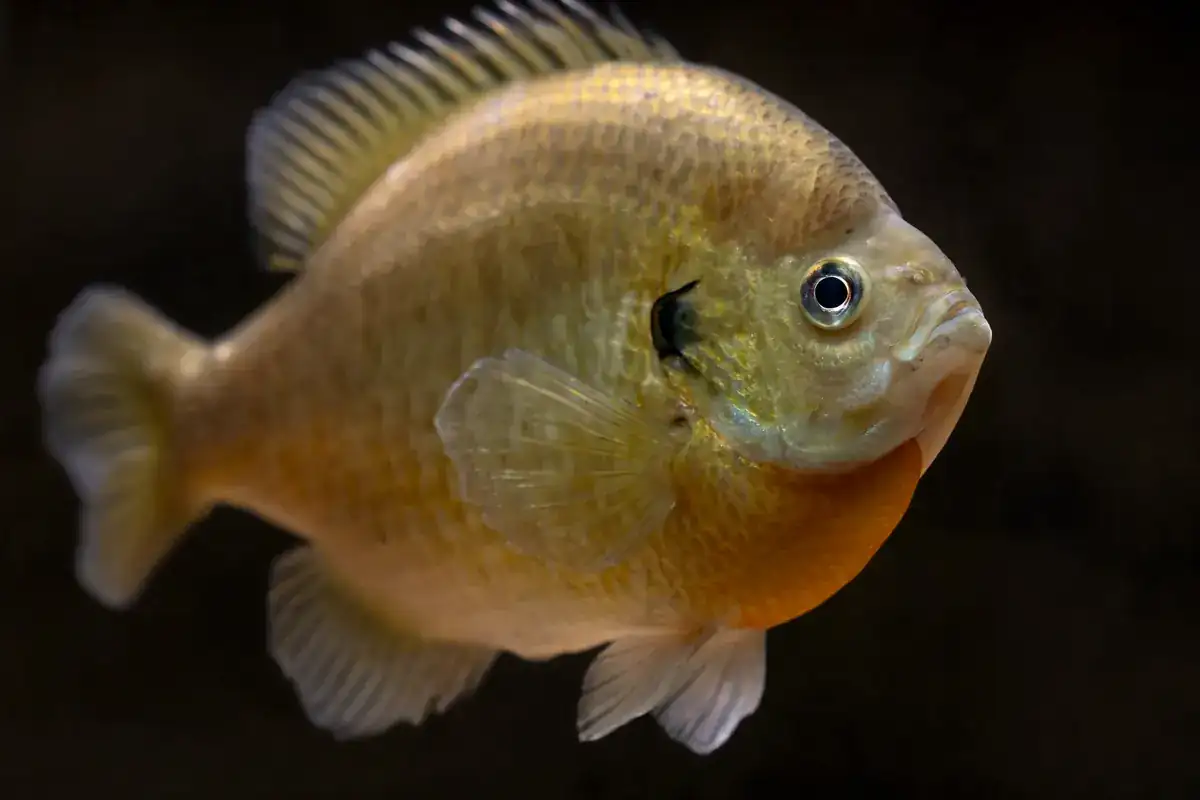
_black_background.jpg)
Related gear
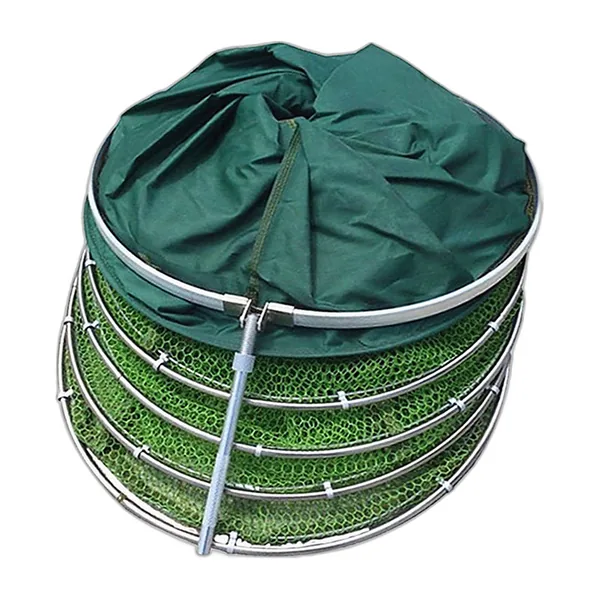 Responsible gearCoated Nylon Keepnet with Aluminium Rings
For : roach, common bream, european perch · float fishing (waggler and stick float)
€73.90£36.90Not shipped to the United States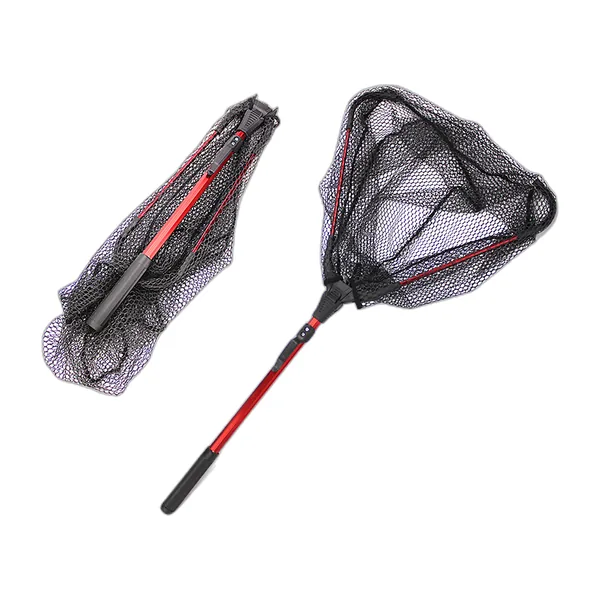 Responsible gearFolding Triangle Landing Net, 47 cm Folded
For : brown trout, rainbow trout, european perch · fly fishing (dry fly and nymph)
€37.90£18.90Not shipped to the United States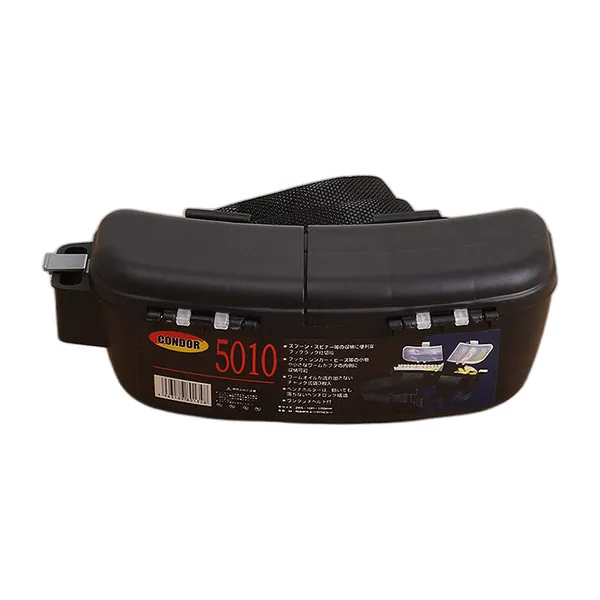 Waist-Mounted Lure Box
For : brown trout, rainbow trout, european perch · fly fishing (dry fly and nymph)
€33.90£16.90Not shipped to the United States
Many anglers' first fish
The bluegill is often the first fish a child catches in North America: it is abundant, bites readily and can be caught from the bank with simple tackle. Native to the eastern and central parts of the continent, it has been introduced to many countries. FishBase describes it in lakes, ponds, reservoirs and sluggish streams, with a preference for deep weed beds. In the southern US, anglers often call it "bream".
What bluegill eat
Bluegill feed on snails, small crayfish, insects, worms and small minnows; young fish eat crustaceans, insects and worms. They are active mainly at dawn and dusk (FishBase). Werner and Hall's (1974) classic study showed how bluegill select prey by size, a founding example of optimal foraging theory. For anglers, it means small baits that fit their small mouths beat big ones.
Sizes
Common length is 19.1 cm (7.5 in); the maximum published is 41 cm (16.1 in) and 2.2 kg (4.9 lb), with a maximum age of 10 years (FishBase).
Nesting colonies
In late spring and summer, males dig nests in shallow water, often grouped in colonies you can see from the bank; each male guards the eggs for about 7 days (FishBase). This is easy fishing, but harvesting the big nest-guarding males year after year can reduce average size in a population. Consider releasing them. Daily limits vary by state and province, so check the regulation page.
Methods
A worm or cricket under a small bobber near weeds or a dock is the universal method. On the fly, small flies, poppers and foam spiders on a light rod give great surface action. Micro jigs and tiny soft plastics catch bigger fish, and in winter bluegill are caught through the ice on tiny jigs.
Releasing bluegill
Bluegill swallow baits easily: use long-shank or barbless hooks and forceps or a disgorger to unhook quickly. They are also excellent to eat; if you keep some, stay within local limits.
Tackle checklist
An ultralight spinning rod or a 3-4 weight fly rod, light line, small long-shank hooks, a few bobbers and a pair of forceps are all you need. It is the perfect set-up for teaching kids to fish.
Lures and baits
- Worms and crickets under a bobber
- Small flies, poppers and foam spiders
- Micro jigs
- Tiny soft plastics
Catch and release
- Use long-shank or barbless hooks: sunfish swallow baits easily.
- Forceps or a disgorger for quick unhooking.
- Release big nest-guarding males during spawning.
Studies cited
- Werner & Hall (1974) Optimal Foraging and the Size Selection of Prey by the Bluegill Sunfish (Lepomis Macrochirus) Ecology doi:10.2307/1940354
Classic ecology study showing how bluegill select prey by size (optimal foraging theory).
Official sources
- FishBase – Lepomis macrochirus (fiche espèce ; statut IUCN Red List 2025-2 repris par FishBase) (accessed on 23 September 2026)
- BOE – Real Decreto 630/2013, Catálogo español de especies exóticas invasoras (texto consolidado) (accessed on 23 September 2026)
- Vlaamse overheid – Visverlof (verplicht voor recreatief vissen op de openbare binnenwateren van het Vlaamse Gewest) (accessed on 23 September 2026)