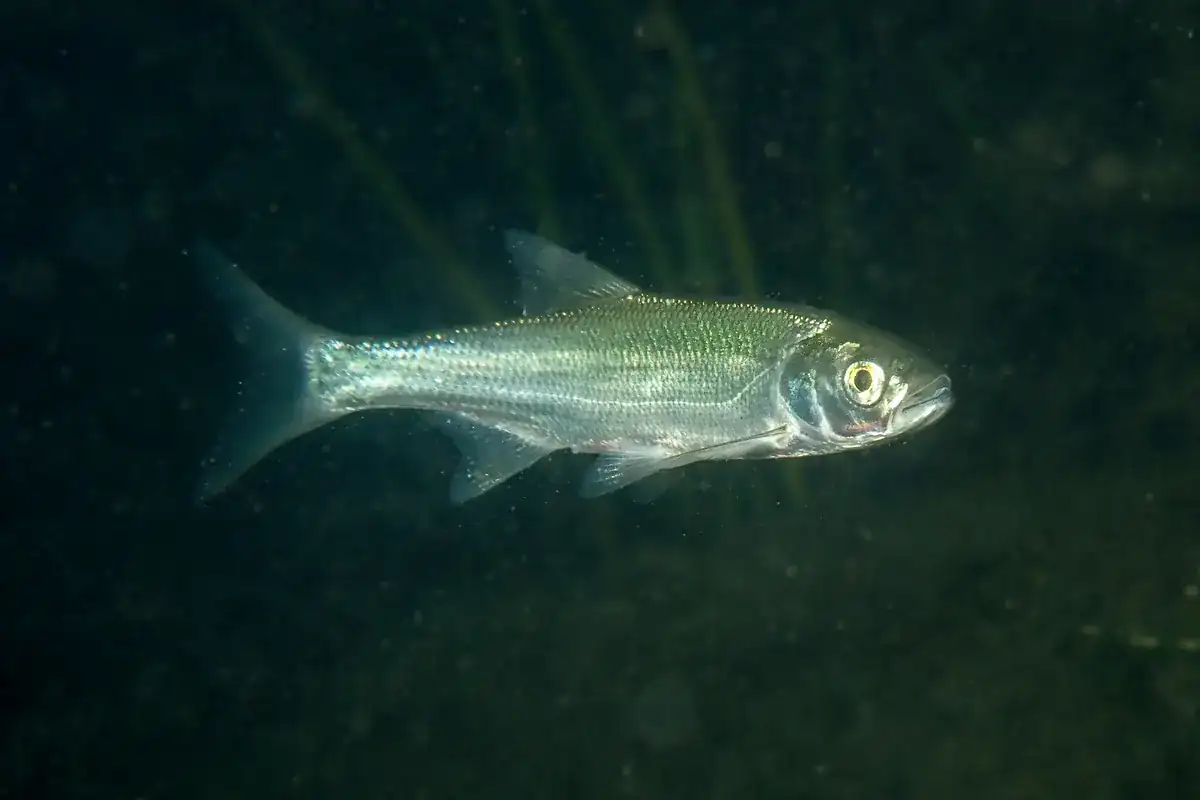
Asp
Leuciscus aspius

season calendar
Closed months recorded (share of areas closing the species that month) — 11 areas.
Related gear
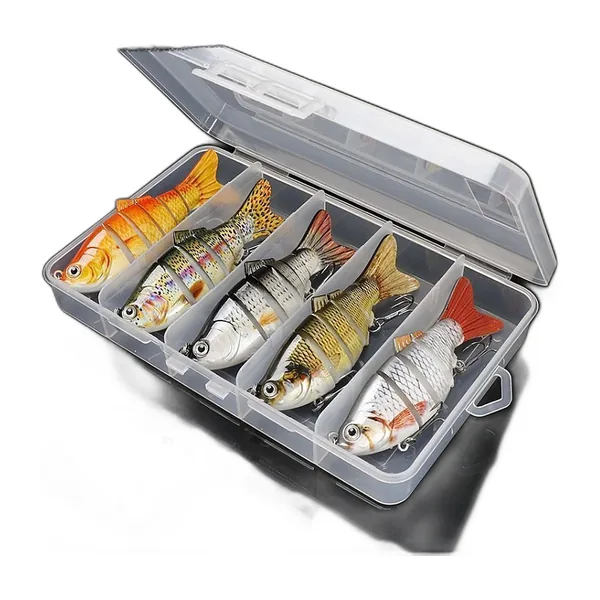 10 cm Hard Lures, Pack of 5 with Box
For : northern pike, zander, walleye · crankbait and hard-lure fishing
€30.90£16.90Not shipped to the United States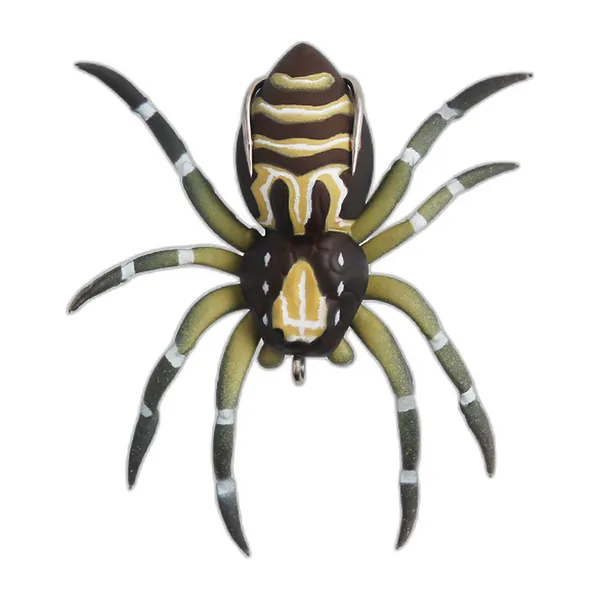 Floating Spider Soft Lures, Pack of 6
For : largemouth bass, smallmouth bass, chub · crankbait and hard-lure fishing
€33.90£19.90Not shipped to the United States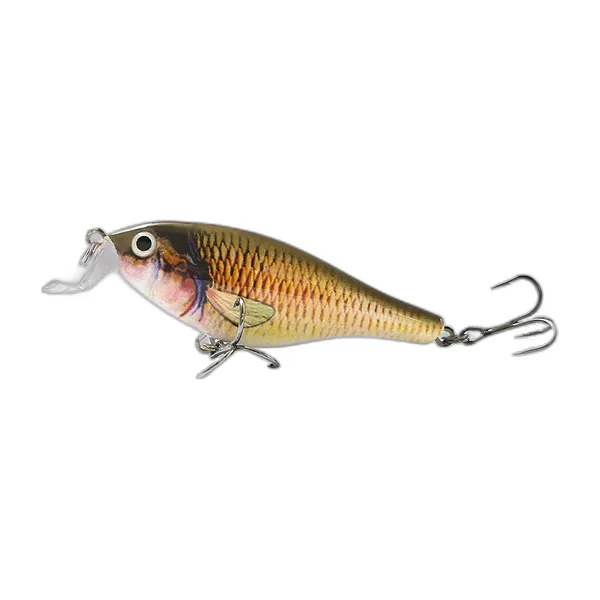 Minnow Crankbaits 8.3 cm, Pack of 5
For : european perch, brown trout, rainbow trout · crankbait and hard-lure fishing
€31.90£17.90Not shipped to the United States
A cyprinid that hunts
The asp is a curiosity among European fish: one of the few predatory members of the carp family. Native to central and eastern Europe, it is spreading westwards and is now found in rivers such as the Rhine system. It is not present in the UK or North America. FishBase describes it in open water of large and medium lowland rivers and large lakes, favouring bridge piers, tributary mouths, weir pools, deep currents and quiet bays in river bends.
Spectacular surface blitzes
Young asp hunt in groups; adults hunt alone or in small groups. They eat mainly bleak and smelt, and occasionally small water birds (FishBase). In summer, their explosive attacks on shoals of bleak, with big splashes, give them away from a distance. That is your cue to cast.
Sizes
Common length is 55 cm (21.7 in); the maximum published is 120 cm (47 in) and 9 kg (19.8 lb), with a maximum age of 11 years. Asp mature at 4-5 years (FishBase).
Spawning
Asp migrate up tributaries to spawn from April to June in fast water over gravel or vegetation; spawning lasts about two weeks and the eggs stick to the substrate (FishBase). Fredrich (2003) followed asp migratory behaviour in the Elbe over several years. Where the species is native, closed seasons and minimum sizes protect spawners; elsewhere, rules vary. Check the regulation page.
Methods
Asp fishing is all about speed. Lures need to be cast far and retrieved fast: long, heavy spoons, slim minnows, surface stickbaits and metal jigs. Target blitzes, current seams and the slack behind bridge piers. A slow or erratic retrieve often draws refusals. Fly anglers can use a bleak-imitating streamer stripped fast. The best times are summer and early autumn, morning and evening, or any time a blitz starts.
Release
Asp thrash hard at the bank, so a large net and single barbless hooks make unhooking quicker. Release them fast into the current. The flesh is bony and little sought after, so most anglers release their fish.
Tackle checklist
A 2.7-3 m (9-10 ft) spinning rod that casts 20-40 g lures, a fast-retrieve reel, thin braid and a fluorocarbon leader let you reach distant blitzes. Polarised glasses help spot hunting fish.
Lures and baits
- Topwaters and slim stickbaits
- Long, heavy spoons
- Minnow crankbaits
- Metal jigs
- Bleak-imitating streamers
Catch and release
- Single barbless hooks on fast lures for easy unhooking.
- Large net: asp thrash hard at the bank.
- Release quickly into the current.
Minimum size for Asp by area
Germany : 35–50 cm (8)
| Berlin | 40 cm |
| Brandenburg | 40 cm |
| Freie Hansestadt Bremen | 40 cm |
| Freie und Hansestadt Hamburg | 50 cm |
| Mecklenburg-Vorpommern | 35 cm |
| Sachsen | 40 cm |
| Sachsen-Anhalt | 40 cm |
| Schleswig-Holstein | 50 cm |
Austria : 40–45 cm (4)
| Niederösterreich | 40 cm |
| Oberösterreich | 45 cm |
| Steiermark | 40 cm |
| Wien | 40 cm |
Slovenia : 40 cm (1)
Studies cited
- Fredrich (2003) Long-term investigations of migratory behaviour of asp (Aspius aspius L.) in the middle part of the Elbe River, Germany Journal of Applied Ichthyology doi:10.1046/j.1439-0426.2003.00504.x
Long-term study of asp migratory behaviour in the middle Elbe (Germany).
Official sources
- FishBase – Leuciscus aspius (fiche espèce ; statut IUCN Red List 2025-2 repris par FishBase) (accessed on 23 September 2026)
- Sportvisunie – VISpas (Gezamenlijke Lijst van Nederlandse Viswateren, VISplanner, NachtVIStoestemming) (accessed on 23 September 2026)
- Vlaamse overheid – Visverlof (verplicht voor recreatief vissen op de openbare binnenwateren van het Vlaamse Gewest) (accessed on 23 September 2026)
- ICNF – Licenças de pesca lúdica e desportiva em águas interiores (licença geral obrigatória, exceto parques de pesca) (accessed on 23 September 2026)