Fishing regulations in Germany
16 pages (Land). Each one covers the licence and its price, the season calendar, minimum sizes, bag limits and official sources.
| Area | Licence | Next opening | Last checked |
|---|---|---|---|
| Baden-Württemberg | — | Bach-/Flussforelle (Salmo trutta f. fario), 1 Oct 2026 | 23 September 2026 |
| Bayern | €35 | Aal (Anguilla anguilla), 1 Jan 2027 | 23 September 2026 |
| Berlin | €27 | Bachforelle (Salmo trutta f. fario), 1 Oct 2026 | 23 September 2026 |
| Brandenburg | €25 | Seeforelle (Salmo trutta f. lacustris), 1 Jan 2027 | 23 September 2026 |
| Freie Hansestadt Bremen | €64 | Bachforelle (Salmo trutta f. fario), 15 Oct 2026 | 23 September 2026 |
| Freie und Hansestadt Hamburg | €15 | Bachforelle und Meerforelle (Salmo trutta), 15 Oct 2026 | 23 September 2026 |
| Hessen | €36 | Atlantische Forelle – Bachforelle, Meerforelle, Seeforelle (Salmo trutta), 1 Oct 2026 | 23 September 2026 |
| Mecklenburg-Vorpommern | €24 | Meerforelle (Salmo trutta) – Küstengewässer, 15 Dec 2026 | 23 September 2026 |
| Niedersachsen | €45 | Bachforelle (Salmo trutta f. fario), 15 Oct 2026 | 23 September 2026 |
| Nordrhein-Westfalen | €20 | Aal (Anguilla anguilla), 1 Oct 2026 | 23 September 2026 |
| Rheinland-Pfalz | €6.20 | Bachforelle (Salmo trutta f. fario), 15 Oct 2026 | 23 September 2026 |
| Saarland | — | Bachforelle (Salmo trutta f. fario), 1 Oct 2026 | 23 September 2026 |
| Sachsen | €42 | Große Maräne (Coregonus lavaretus), 1 Jan 2027 | 23 September 2026 |
| Sachsen-Anhalt | €10 | Äsche (Thymallus thymallus), 1 Dec 2026 | 23 September 2026 |
| Schleswig-Holstein | — | Winterschonzeit (alle Arten, Gewässer der Anlage 3), 1 Jan 2027 | 23 September 2026 |
| Thüringen | €245 | Bachforelle (Salmo trutta f. fario), 1 Oct 2026 | 23 September 2026 |
Frequently asked questions
Can you fish in Germany?
Yes. Anyone can fish in Germany with the documents the state requires, normally a Fischereischein obtained after an exam or a tourist licence, plus a permit for the water from the club or owner. There are no free public waters in most states: every water has an owner or tenant who sells permits.
German fishing rights are tied to waters: they belong to the owner or are leased, often to angling clubs, so you always need the rights holder's permission, such as a day ticket (Angelkarte), an Erlaubnisschein or club membership. The Mecklenburg-Western Pomerania authority states explicitly that there are no free fishing waters there, and Lower Saxony's law requires the Erlaubnisschein unless the rights holder is present. Tickets are sold by clubs, tackle shops, tourist offices and online portals. In addition, most states require a state fishing licence: after an exam for residents, or a tourist licence without an exam in states such as Bavaria, Mecklenburg-Western Pomerania, Schleswig-Holstein, Thuringia, Baden-Württemberg and North Rhine-Westphalia (non-residents €20 online). Lower Saxony needs no licence on inland waters. Each water's rules set the number of rods, night fishing, baits and protected zones. In Bavaria, systematic catch-and-release is regarded as a breach of animal protection law.
Official sources : LALLF Mecklenburg-Vorpommern – tourist fishing licence ; Lower Saxony Fishing Act § 57 (VORIS) ; BayernPortal – annual fishing licence for tourists ; service-bw – Fischereischein (Baden-Württemberg), incl. licence for foreign tourists ; North Rhine-Westphalia – fishing exam and licence ; Schleswig-Holstein – fishing law implementing ordinance (holiday licence) ; Thuringia – fishing ordinance ; BayernPortal – Fischereischein
Do you need a fishing licence in Germany?
In most German states, yes: you need a state fishing licence (Fischereischein), usually obtained after an exam, plus a permit for the specific water (Angelkarte or Erlaubnisschein). Exceptions exist: Lower Saxony requires no Fischereischein on inland waters, and several states sell tourist licences without an exam.
Fishing law belongs to Germany's 16 states. As a rule, the Fischereischein proves competence and is issued after an exam by the municipality or fisheries authority, together with a state fishing levy, while the permit to fish a given water is sold by the holder of the fishing right, usually a club or tenant. Special cases in 2026: in Lower Saxony an ID card plus the water owner's permit are enough on inland waters; in Brandenburg coarse-fish hand-line fishing needs no Fischereischein (a €12 levy from age 14), only predator fishing does. Several states offer licences without an exam for visitors, such as Mecklenburg-Western Pomerania's €24 tourist licence, Schleswig-Holstein's holiday licence valid 28 consecutive days, Thuringia's €25 quarter-year licence and Bavaria's €22.50 tourist licence for people not living in Germany. Children often fish with a licensed adult without their own licence, for example ages 7 to 17 in Bavaria. Closed seasons, sizes and rod limits come from state ordinances and each water's rules.
Official sources : Lower Saxony Fishing Act § 57 (VORIS) ; Brandenburg – fishing licence and coarse-fish hand-line fishing ; LALLF Mecklenburg-Vorpommern – tourist fishing licence ; Schleswig-Holstein – fishing law implementing ordinance (holiday licence) ; Thuringia – fishing ordinance ; BayernPortal – annual fishing licence for tourists ; BayernPortal – state fishing exam ; North Rhine-Westphalia – fishing exam and licence
How hard is it to get a fishing licence in Germany?
It takes some effort: most states require a preparatory course of 8 to 32 hours and a written multiple-choice exam, for example 60 questions in 90 minutes with 45 correct answers needed in Mecklenburg-Western Pomerania and Thuringia. How long it takes depends on course and exam dates.
The German fishing exam is designed to prove knowledge of fish, waters, law, animal welfare and gear. Course requirements differ: at least 32 hours in Baden-Württemberg, 30 compulsory hours in Bavaria, Berlin, Rhineland-Palatinate and Saxony, at least 8 practical hours in Hesse and Schleswig-Holstein. The exam is usually multiple choice: Mecklenburg-Western Pomerania and Thuringia use 60 questions in 90 minutes and require at least 45 correct answers; Bavaria runs its state exam online. Minimum ages range from 10 (Baden-Württemberg) to 14 (Berlin, Saxony). The total time from starting a course to holding the licence depends on course schedules, exam sessions and the processing time of the issuing office, none of which is fixed nationally, so check with the office of your main residence. Visitors who want to avoid the exam can use tourist licences in states such as Bavaria, Mecklenburg-Western Pomerania, Schleswig-Holstein or Thuringia.
Official sources : Baden-Württemberg – state fishing ordinance ; BayernPortal – state fishing exam ; Berlin Fisheries Office – angler exam ; Rhineland-Palatinate – state fishing ordinance (exam) ; LfULG Saxony – validity and costs of Saxon fishing licences ; Hesse – fisheries (Fischereischein) ; Schleswig-Holstein – fishing law implementing ordinance (holiday licence) ; LALLF Mecklenburg-Vorpommern – fishing exam ; Thuringia – fishing ordinance
How do I get a fishing licence in Germany?
Take the preparatory course most states require, pass the state fishing exam, then apply to the authority of your main residence with ID, a photo and the exam certificate, and pay the state levy. You then buy a permit for each water. Visitors can often get a tourist licence without an exam.
Step 1, preparation: many states require a course, for example at least 32 hours in Baden-Württemberg, 30 compulsory hours in Bavaria, Berlin, Rhineland-Palatinate and Saxony, and at least 8 practical hours in Hesse and Schleswig-Holstein. Step 2, the exam: usually a written multiple-choice test, such as 60 questions in 90 minutes in Mecklenburg-Western Pomerania and Thuringia, passed with at least 45 correct answers; Bavaria's exam is online and costs €50. Minimum age on exam day: 10 in Baden-Württemberg, 12 in Bavaria and North Rhine-Westphalia, 13 in Rhineland-Palatinate and Saarland, 14 in Berlin and Saxony. Step 3: apply to the competent office of your main residence (municipality, public-order office or fisheries office) with ID, photo and certificate; North Rhine-Westphalia also allows online applications. Step 4: pay the fishing levy and buy a permit for each water. Exams from other states are generally recognised. Children with a licensed adult and tourist licences are the main exemptions.
Official sources : Baden-Württemberg – state fishing ordinance ; BayernPortal – state fishing exam ; Berlin Fisheries Office – angler exam ; Rhineland-Palatinate – state fishing ordinance (exam) ; LfULG Saxony – validity and costs of Saxon fishing licences ; Hesse – fisheries (Fischereischein) ; Schleswig-Holstein – fishing law implementing ordinance (holiday licence) ; LALLF Mecklenburg-Vorpommern – fishing exam ; Thuringia – fishing ordinance ; North Rhine-Westphalia – fishing exam and licence ; Saarland – fishing exam ordinance
How much is a fishing licence in Germany?
It depends on the state. The Fischereischein itself costs, for example, €35 for life in Bavaria plus levy, €18 online in North Rhine-Westphalia, €27 for five years in Berlin, and exam fees add €25 to €100. Tourist licences cost €22.50 in Bavaria, €24 in Mecklenburg-Western Pomerania and €25 in Thuringia.
Examples for 2026. Fischereischein: Bavaria €35 for life plus fishing levy; North Rhine-Westphalia €18 online or €30 at the municipality (for life); Hesse €10 for one year, €18 for five and €36 for ten, each plus levy; Berlin €27 for five years; Saxony €42; Bremen €64; Hamburg €15 plus levy; Mecklenburg-Western Pomerania €8 for life. Exam fees: Bavaria €50, Mecklenburg-Western Pomerania €25 for adults, Saarland €100. Most states require a preparatory course (at least 32 hours in Baden-Württemberg, 30 compulsory hours in Bavaria, at least 8 hours in Hesse), priced by the course providers. Licences without an exam for tourists: Mecklenburg-Western Pomerania €24, Thuringia €25 for a quarter-year, Bavaria €22.50 for non-residents of Germany, North Rhine-Westphalia €20 online for non-residents. The permit for the water is a separate cost set by the club or tenant.
Official sources : BayernPortal – annual fishing licence for tourists ; BayernPortal – state fishing exam ; North Rhine-Westphalia – fishing exam and licence ; Hesse – fisheries (Fischereischein) ; Service Berlin – Fischereischein ; LfULG Saxony – validity and costs of Saxon fishing licences ; Bremen Fishing Act ; Hamburg – Fischereischein ; LALLF Mecklenburg-Vorpommern – tourist fishing licence ; LALLF Mecklenburg-Vorpommern – fishing exam ; Saarland – fishing exam ordinance ; Baden-Württemberg – state fishing ordinance ; Thuringia – fishing ordinance
Where can you fish in Germany?
Wherever you can buy a permit from the rights holder: angling clubs, lease holders and state associations sell day and week tickets for rivers, lakes, canals and the coast through tackle shops, tourist offices and online portals. Most states have no free public fishing waters.
Fishing rights in Germany are tied to the water and belong to owners or tenants, often angling clubs, so where you can fish depends on who sells permits. The Mecklenburg-Western Pomerania authority notes there are no free fishing waters, and Lower Saxony's law requires a permit unless the rights holder is present. Tickets are sold by clubs, tackle shops, tourist offices and online portals, and large federal waterways and many lakes are leased by state associations or lease communities. Before choosing, read the water's rules: rods, night fishing, baits, protected zones and harvest limits are set there. State regulations show where different fish are found: Bavaria and Baden-Württemberg protect grayling, brown trout, lake trout and huchen in alpine and upland waters, while northern states regulate zander, pike, eel and, on the Baltic, sea trout and cod. No official body ranks the 'best' German fishing spots.
Official sources : LALLF Mecklenburg-Vorpommern – tourist fishing licence ; Lower Saxony Fishing Act § 57 (VORIS) ; North Rhine-Westphalia – fishing exam and licence ; Bavarian Ministry – fishing law in Bavaria ; Baden-Württemberg – state fishing ordinance
How do I get a fishing permit in Germany?
The permit for a specific water (Angelkarte, Erlaubnisschein or Gastkarte) is sold by whoever holds the fishing rights: angling clubs, lease holders, tackle shops, tourist offices and online portals. It is always needed in addition to the state licence, except where the rights holder accompanies you.
Germany separates the state fishing licence from the water permit. The permit comes from the holder of the fishing right, which is the landowner or, very often, an angling club or tenant. Lower Saxony's Fishing Act makes this Fischereierlaubnisschein compulsory unless the rights holder is present, and the Mecklenburg-Western Pomerania authority reminds anglers that there are no free fishing waters. Day, week or year permits are sold by clubs, local tackle shops, tourist information offices and online booking portals; large federal waterways and many lakes are managed by state angling associations or lease communities. The permit's conditions state the number of rods, whether night fishing is allowed, bait rules and any size or catch limits stricter than state law. Keep it with your state licence or ID while fishing. Prices are set freely by the rights holder, so they vary widely from one water to another.
Official sources : Lower Saxony Fishing Act § 57 (VORIS) ; LALLF Mecklenburg-Vorpommern – tourist fishing licence ; North Rhine-Westphalia – fishing exam and licence
Can you fish in Germany without a licence?
In some cases. Lower Saxony requires no Fischereischein on inland waters (ID plus a water permit suffice), Brandenburg allows coarse-fish hand-line fishing without one, and several states sell tourist licences without an exam. Children with a licensed adult are also often exempt. A water permit is always needed.
Options in 2026: Lower Saxony, no licence requirement on inland waters: under § 57 of the state Fishing Act an identity card and the rights holder's permit are enough. Brandenburg: coarse-fish hand-line fishing without a Fischereischein or exam (one single hook, no bait fish), alone from age 8, with a €12 fishing levy from age 14. Mecklenburg-Western Pomerania: tourist licence without an exam for €24 (€23 digital), levy included, also available to residents. Schleswig-Holstein: holiday licence without an exam, with proof of the fishing levy. Thuringia: quarter-year licence without an exam for €25, hand-line only. Bavaria: tourist licence for adults without residence in Germany, €22.50 including levy. Children and teenagers may fish with a licensed adult without their own licence in several states, for example ages 10 to 15 in North Rhine-Westphalia and 7 to 17 in Rhineland-Palatinate. In every case you also need the permit for the water.
Official sources : Lower Saxony Fishing Act § 57 (VORIS) ; Brandenburg – fishing licence and coarse-fish hand-line fishing ; LALLF Mecklenburg-Vorpommern – tourist fishing licence ; Schleswig-Holstein – fishing law implementing ordinance (holiday licence) ; Thuringia – fishing ordinance ; BayernPortal – annual fishing licence for tourists ; North Rhine-Westphalia – fishing exam and licence ; Rhineland-Palatinate – state fishing act (guest licence, young anglers)
Can you fish in Germany as a tourist?
Yes. Several states sell licences to visitors without an exam: Bavaria (€22.50 for non-residents of Germany, up to three months a year), Mecklenburg-Western Pomerania (€24), Schleswig-Holstein (28 days), Thuringia (€25 per quarter) and Baden-Württemberg (four weeks for foreign holidaymakers). You also need a water permit.
Tourist rules differ by state. Bavaria: an annual tourist licence for adults not resident in Germany costs €22.50 (€7.50 plus the €15 levy) and covers at most three months in the year. Schleswig-Holstein: the holiday licence (Urlauberfischereischein) is valid for 28 consecutive days, twice a year, with proof of the levy. North Rhine-Westphalia: an annual licence for non-residents costs €20 online. Baden-Württemberg: foreign holidaymakers can obtain a four-week licence. Mecklenburg-Western Pomerania: the tourist licence costs €24 (€23 digital) without an exam. Thuringia: a quarter-year licence without an exam costs €25. Lower Saxony needs no licence on inland waters, only ID and a permit. Everywhere, you must also buy the permit (Angelkarte, Gastkarte) from the club or owner of the water, and follow state closed seasons and minimum sizes. In Bavaria, systematically releasing fish is considered a breach of animal protection law.
Official sources : BayernPortal – annual fishing licence for tourists ; Schleswig-Holstein – fishing law implementing ordinance (holiday licence) ; North Rhine-Westphalia – fishing exam and licence ; service-bw – Fischereischein (Baden-Württemberg), incl. licence for foreign tourists ; LALLF Mecklenburg-Vorpommern – tourist fishing licence ; Thuringia – fishing ordinance ; Lower Saxony Fishing Act § 57 (VORIS)
What fish can you catch in Germany?
German state rules regulate pike, zander, perch, eel, carp, tench, bream, barbel, asp, burbot, wels catfish, brown trout, sea trout, lake trout, grayling, whitefish and huchen, among others. Atlantic salmon is protected in some states, and coastal rules add species such as cod.
Closed seasons and minimum sizes in all 16 state fishing ordinances give the main angling species. Every state regulates zander, pike, eel and grayling; most regulate carp, tench and brown trout; many regulate barbel, burbot (Quappe), asp (Rapfen), perch, lake trout, rainbow trout, sea trout and wels catfish. Some states add rudd, nase, whitefish (Maräne, Felchen, Renken), ide (Aland), chub, dace, Arctic char (Seesaibling) and huchen, the Danube salmon of Bavaria and Baden-Württemberg. Atlantic salmon has protection rules in some states, and coastal states include sea species such as cod, flounder and twaite shad. Sea trout has its own closed season or minimum size in five states. Which species live in a given water depends on the region, and each water's permit may add stricter limits than state law, so read it before fishing.
Official sources : North Rhine-Westphalia – state fishing ordinance 2026 ; Bavarian Ministry – fishing law in Bavaria ; Baden-Württemberg – state fishing ordinance ; Thuringia – fishing ordinance
What fish are native to Germany?
According to FishBase, native German fish include pike, perch, zander, brown and sea trout, grayling, huchen in the Danube basin, burbot, eel, tench, bream, roach, chub, barbel, asp and ide. Rainbow trout and brook trout were introduced from North America.
FishBase distribution data give native ranges covering Germany for northern pike, European perch, brown trout (including sea and lake forms), grayling, burbot, European eel, tench, common bream, roach, rudd, chub, barbel, ide and asp; zander is native to central and eastern Europe, and the huchen to the Danube basin, which includes Bavaria and Baden-Württemberg. Atlantic salmon was part of the North Atlantic river fauna and is managed under protection rules in some states. Common carp is of Eurasian origin and has long been farmed. Species introduced from North America include rainbow trout and brook trout, both of which appear in several state ordinances as stocked fish. Wels catfish is native to central and eastern Europe. German state ordinances also regulate some introduced species and may allow unrestricted harvest of invasive ones, so check the rules of your state.
Official sources : FishBase – Esox lucius ; FishBase – Perca fluviatilis ; FishBase – Salmo trutta ; FishBase – Thymallus thymallus ; FishBase – Hucho hucho ; FishBase – Sander lucioperca ; FishBase – Oncorhynchus mykiss ; FishBase – Silurus glanis ; Bavarian Ministry – fishing law in Bavaria
Species on this page
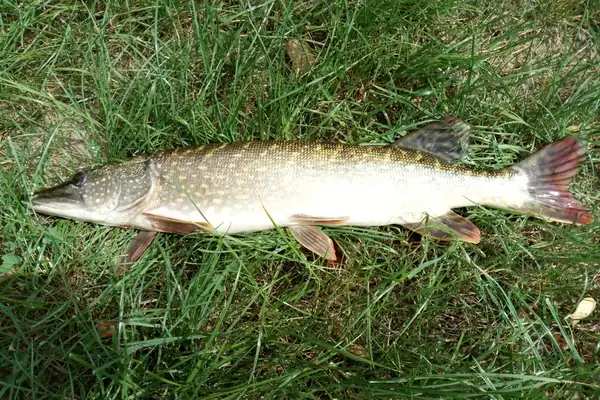 Northern pikeEsox lucius
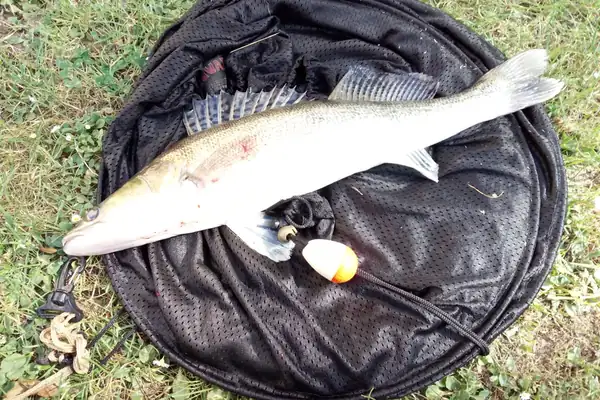 ZanderSander lucioperca
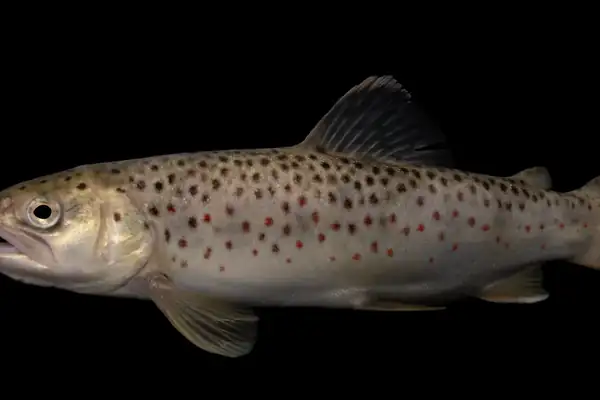 Brown troutSalmo trutta
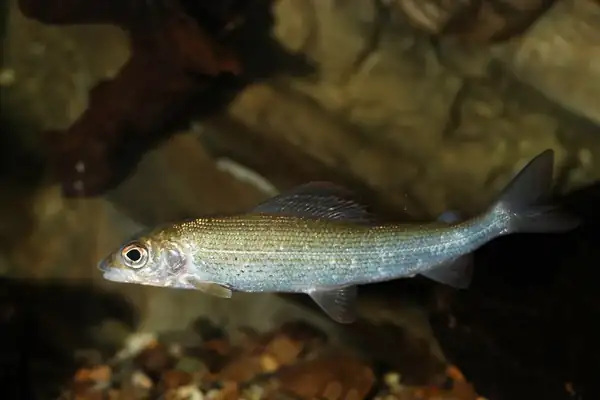 GraylingThymallus thymallus
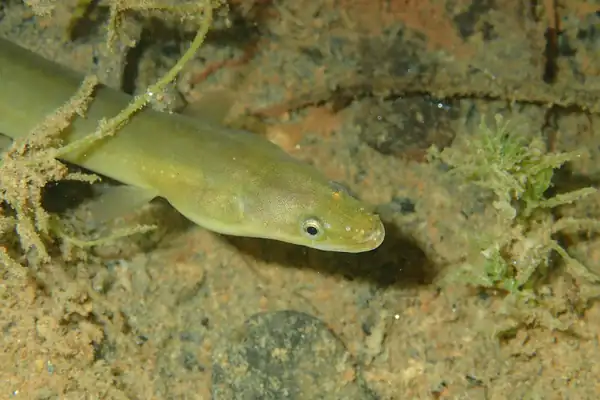 European eelAnguilla anguilla
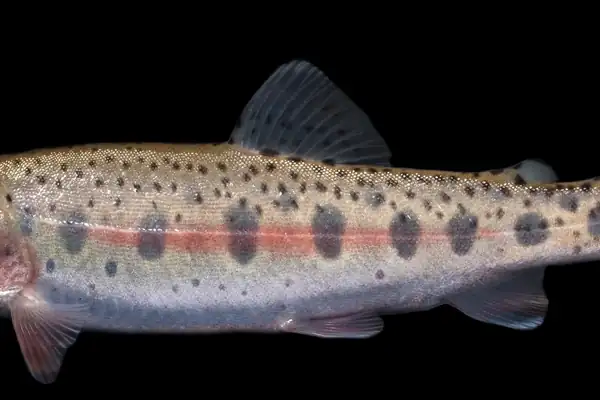 Rainbow troutOncorhynchus mykiss
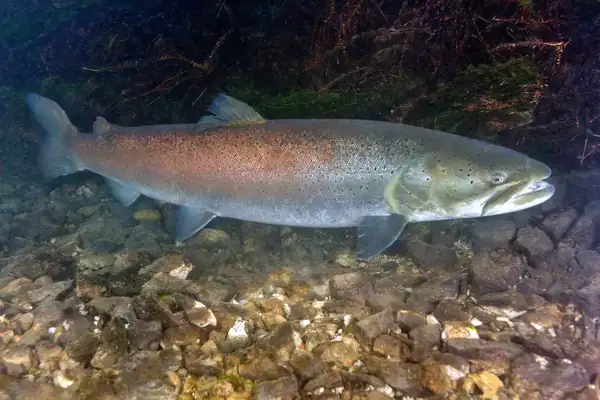 HuchenHucho hucho
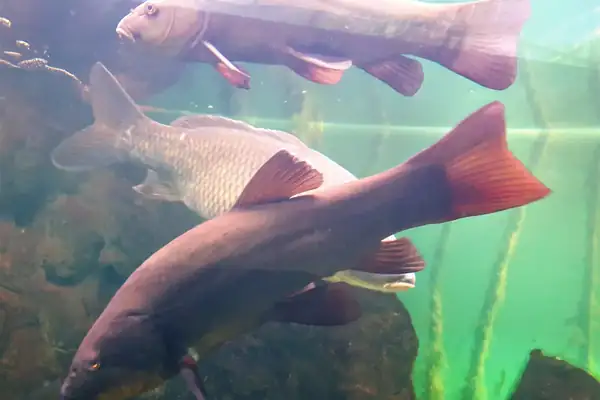 TenchTinca tinca
Useful gear for this area
Chosen from the species and size limits regulated in this area.
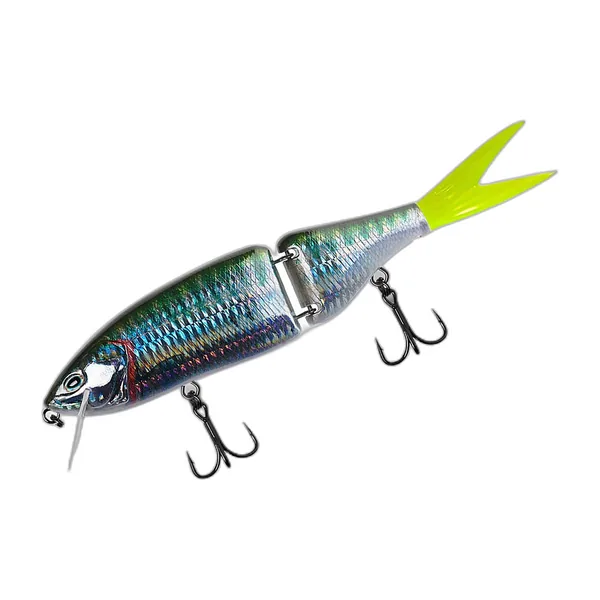 Jointed Big Bait 22 cm, 115 g
Suited to: Northern pike, Wels catfish.
€57.90£39.90Not shipped to the United States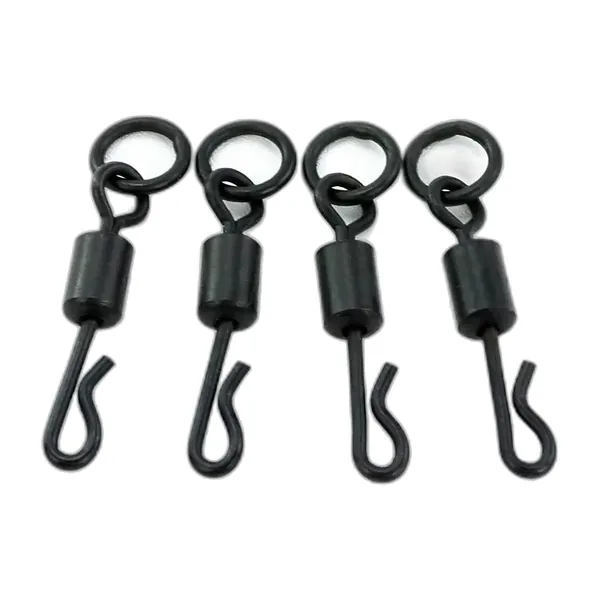 Carp Rig Kit: Ring Swivels, Pop-Up Beads, Shrink Tube
Suited to: Common carp, Wels catfish.
€42.90£24.90Not shipped to the United States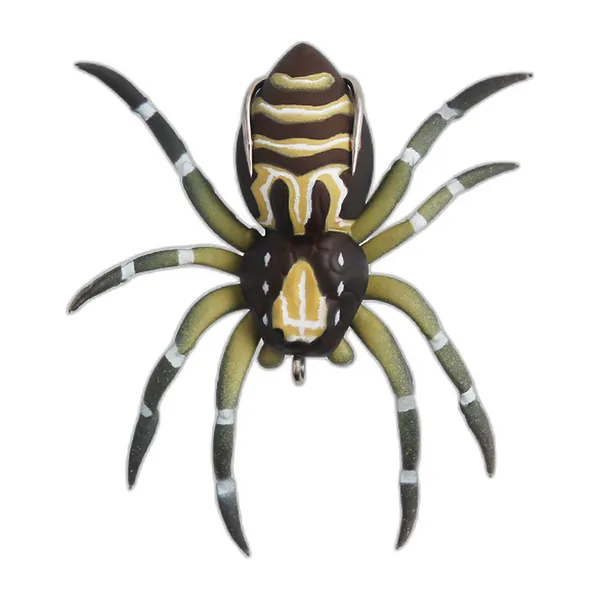 Floating Spider Soft Lures, Pack of 6
Suited to: Chub, European perch, Brown trout, Rainbow trout.
€33.90£19.90Not shipped to the United States