European eel
Anguilla anguilla
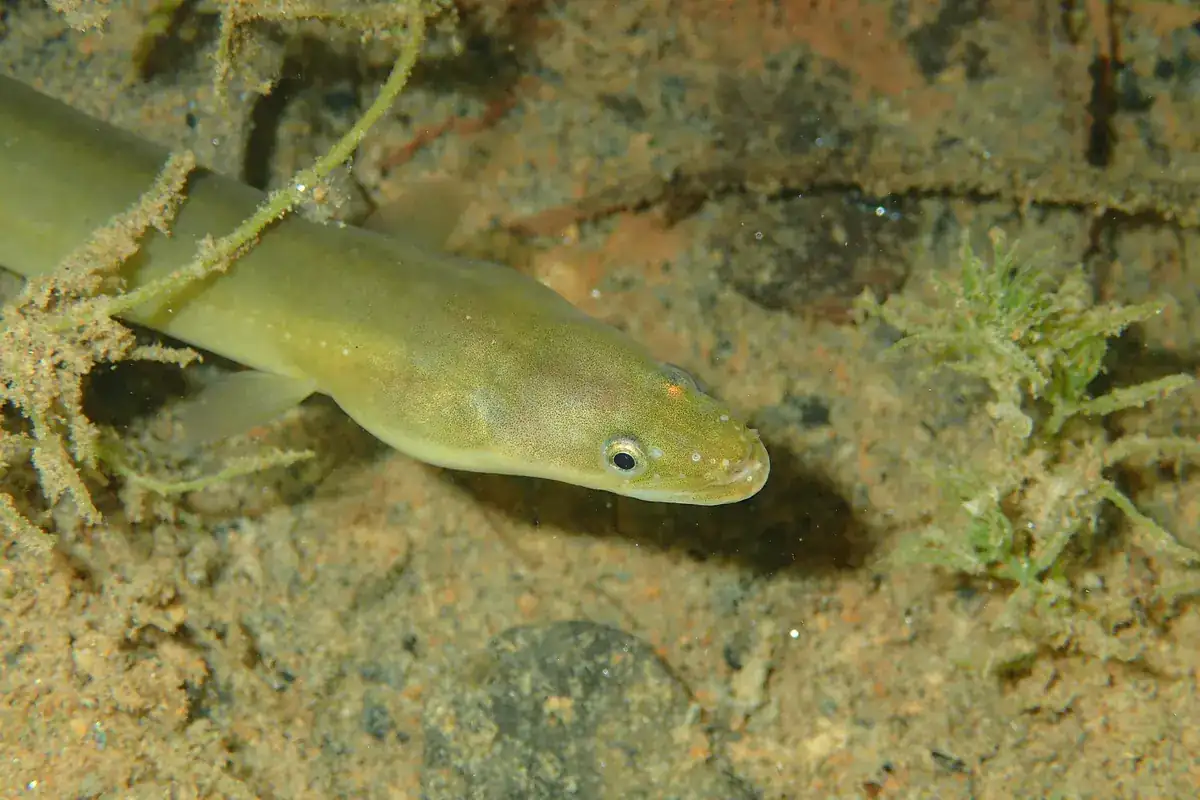

Critically Endangered (IUCN), listed in CITES Appendix II and covered by the EU eel recovery regulation (EC 1100/2007). This page is about identification and rules: in many countries and regions recreational fishing for eels is banned or limited to immediate release.
season calendar
Closed months recorded (share of areas closing the species that month) — 72 areas.
Related gear
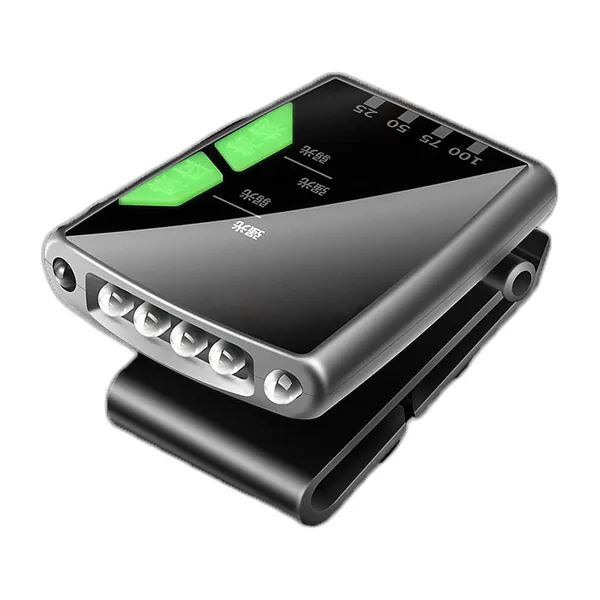 Rechargeable Cap-Clip Light with Motion Sensor
For : common carp, wels catfish, zander · night fishing
€26.90£13.90Not shipped to the United States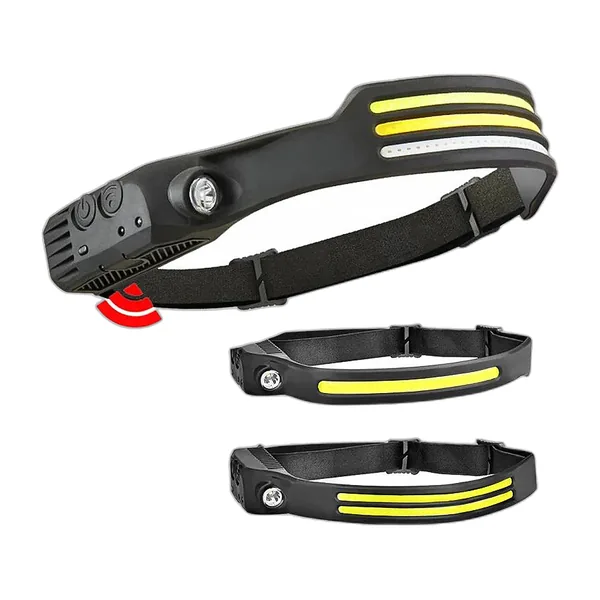 Rechargeable Motion-Sensor Headlamp
For : common carp, wels catfish, zander · night fishing
€27.90£13.90Not shipped to the United States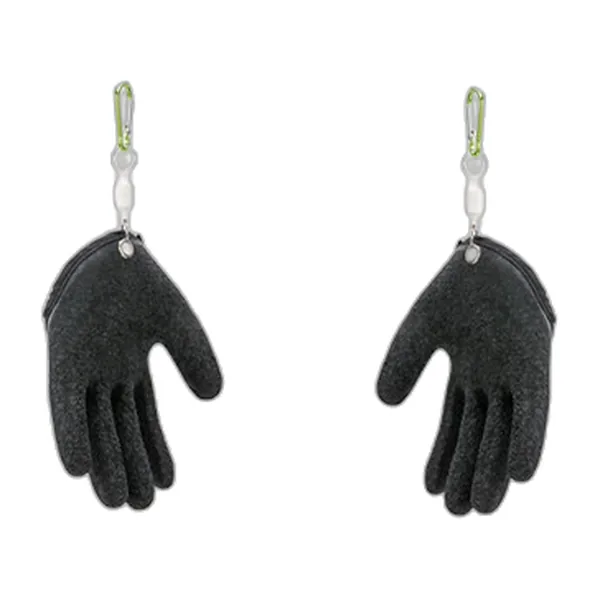 Responsible gearPredator Unhooking Kit: Gloves + Jaw Spreader
For : northern pike, zander, walleye
€30.90£15.90Not shipped to the United States
A critically endangered species
The European eel is listed as Critically Endangered on the IUCN Red List, as reported by FishBase. It is in CITES Appendix II, and the European Union adopted an eel recovery regulation (EC 1100/2007) requiring national eel management plans. This page is not about how to catch eels: it explains why they should not be targeted and what to do if one takes your bait.
An extraordinary life cycle
According to FishBase, eel spawning has never been observed; it is believed to take place only in the Sargasso Sea, probably between March and June. Transparent, leaf-shaped larvae drift to Europe on the Gulf Stream in 7-11 months, then turn into glass eels of 6-8 cm (2.4-3.1 in) that move up estuaries into rivers and lakes. A long growth phase follows as yellow eels, lasting 6-12 years for males and 9-20 years for females. As silver eels, they head back to sea on dark nights, mostly in the second half of the year, spawn once and die.
Every silver eel that fails to reach the sea is a lost spawner. The review by Jacoby and colleagues (2015) describes the combined threats: barriers and turbines, fishing, pollution, parasites and ocean change.
Sizes
Common length is 35 cm (13.8 in) for males and 50 cm (19.7 in) for females; the maximum published is 133 cm (52 in) and 6.6 kg (14.6 lb) (FishBase).
What the rules say
Rules are strict and change often. In England and Wales, anglers must currently return all eels they catch; in Ireland, eel fishing has been closed under the national eel management plan; other countries have seasons, bans on silver and glass eels, or catch-and-release only. Never rely on old information: check the regulation page for your area and the relevant authority before night fishing with worms. In North America, the American eel (Anguilla rostrata), a different species, has its own state and provincial rules.
If you catch one by accident
Eels sometimes take worms or deadbaits, especially on warm nights. Release them immediately. If the hook is swallowed, cut the line close to the mouth: trying to remove it does more harm. Litt and colleagues (2020) ran a hooking mortality experiment on the closely related American eel. Using larger hooks and striking early reduces deep hooking.
Lures and baits
- None: do not target eels. If one is caught accidentally on worm or deadbait, release it immediately.
Catch and release
- Release any accidentally caught eel immediately, where required and even where it is not.
- If the hook is swallowed, cut the line close to the mouth rather than trying to remove it.
- Handle with a wet cloth, gently and briefly.
- Larger hooks and striking early at night reduce deep hooking.
Minimum size for European eel by area
France : 12–20 cm (7)
| Charente-Maritime | 12 cm |
| Deux-Sèvres | 12 cm |
| Essonne | 12 cm |
| Ille-et-Vilaine | 20 cm |
| Morbihan | 20 cm |
| Oise | 12 cm |
| Val-d'Oise | 12 cm |
Belgium : 30 cm (1)
Luxembourg : 50 cm (2)
Germany : 35–50 cm (16)
| Baden-Württemberg | 50 cm |
| Bayern | 50 cm |
| Berlin | 50 cm |
| Brandenburg | 50 cm |
| Freie Hansestadt Bremen | 45 cm |
| Freie und Hansestadt Hamburg | 45 cm |
| Hessen | 50 cm |
| Mecklenburg-Vorpommern | 50 cm |
| Niedersachsen | 35 cm |
| Nordrhein-Westfalen | 50 cm |
| Rheinland-Pfalz | 50 cm |
| Saarland | 50 cm |
| Sachsen | 50 cm |
| Sachsen-Anhalt | 50 cm |
| Schleswig-Holstein | 50 cm |
| Thüringen | 50 cm |
Austria : 50 cm (1)
| Vorarlberg | 50 cm |
Netherlands : 28 cm (1)
| Nederland | 28 cm |
Italy : 25–50 cm (7)
Spain : 25 cm (1)
| La Rioja | 25 cm |
Portugal : 20 cm (1)
Studies cited
- Jacoby et al. (2015) Synergistic patterns of threat and the challenges facing global anguillid eel conservation Global Ecology and Conservation doi:10.1016/j.gecco.2015.07.009
Analyses the combined threats (barriers, fishing, pollution, parasites, ocean change) facing the world's anguillid eels and the challenges for their conservation. - Litt et al. (2020) Does catch-and-release angling pose a threat to American eel? A hooking mortality experiment Endangered Species Research doi:10.3354/esr01002
Hooking mortality experiment on the closely related American eel, asking whether catch-and-release threatens eels.
Official sources
- FishBase – Anguilla anguilla (fiche espèce ; statut IUCN Red List 2025-2 repris par FishBase) (accessed on 23 September 2026)
- Règlement (CE) n° 1100/2007 instituant des mesures de reconstitution du stock d'anguilles européennes (accessed on 23 September 2026)
- Sportvisunie – VISpas (Gezamenlijke Lijst van Nederlandse Viswateren, VISplanner, NachtVIStoestemming) (accessed on 23 September 2026)
- Vlaamse overheid – Visverlof (verplicht voor recreatief vissen op de openbare binnenwateren van het Vlaamse Gewest) (accessed on 23 September 2026)
- ICNF – Licenças de pesca lúdica e desportiva em águas interiores (licença geral obrigatória, exceto parques de pesca) (accessed on 23 September 2026)