Fishing regulations in France
97 pages (Département, National). Each one covers the licence and its price, the season calendar, minimum sizes, bag limits and official sources.
| Area | Licence | Next opening | Last checked |
|---|---|---|---|
| Ain 01 | €114 | — | 23 September 2026 |
| Aisne 02 | €114 | — | 23 September 2026 |
| Allier 03 | €114 | — | 23 September 2026 |
| Alpes-de-Haute-Provence 04 | €114 | Ouverture générale (truites, ombles, cristivomer, truite arc-en-ciel), 4 Oct 2026 | 23 September 2026 |
| Alpes-Maritimes 06 | €114 | Ouverture générale, 11 Oct 2026 | 23 September 2026 |
| Ardèche 07 | €101 | — | 23 September 2026 |
| Ardennes 08 | — | — | 23 September 2026 |
| Ariège 09 | — | Lacs de montagne > 1 000 m, 11 Oct 2026 | 23 September 2026 |
| Aube 10 | — | — | 23 September 2026 |
| Aude 11 | — | — | 23 September 2026 |
| Aveyron 12 | — | — | 23 September 2026 |
| Bas-Rhin 67 | — | — | 23 September 2026 |
| Bouches-du-Rhône 13 | — | — | 23 September 2026 |
| Calvados 14 | — | — | 23 September 2026 |
| Cantal 15 | — | — | 23 September 2026 |
| Charente 16 | €114 | — | 23 September 2026 |
| Charente-Maritime 17 | — | — | 23 September 2026 |
| Cher 18 | — | — | 23 September 2026 |
| Corrèze 19 | — | Ombre commun, 15 Nov 2026 | 23 September 2026 |
| Corse-du-Sud 2A | — | — | 23 September 2026 |
| Côte-d'Or 21 | — | — | 23 September 2026 |
| Côtes-d'Armor 22 | €114 | — | 23 September 2026 |
| Creuse 23 | — | — | 23 September 2026 |
| Deux-Sèvres 79 | — | — | 23 September 2026 |
| Dordogne 24 | — | — | 23 September 2026 |
| Doubs 25 | — | Ombre commun, 1 Nov 2026 | 23 September 2026 |
| Drôme 26 | €114 | — | 23 September 2026 |
| Essonne 91 | — | Grenouilles verte et rousse, 27 Sept 2026 | 23 September 2026 |
| Eure 27 | — | — | 23 September 2026 |
| Eure-et-Loir 28 | — | — | 23 September 2026 |
| Finistère 29 | — | — | 23 September 2026 |
| France | — | Brochet, 1 Jan 2027 | 23 September 2026 |
| Gard 30 | — | — | 23 September 2026 |
| Gers 32 | — | — | 23 September 2026 |
| Gironde 33 | — | — | 23 September 2026 |
| Haut-Rhin 68 | — | Lacs de montagne de 1re catégorie, 11 Oct 2026 | 23 September 2026 |
| Haute-Corse 2B | — | — | 23 September 2026 |
| Haute-Garonne 31 | — | Lac d'Oô, ruisseaux en amont et lacs de montagne > 1 400 m, 11 Oct 2026 | 23 September 2026 |
| Haute-Loire 43 | — | — | 23 September 2026 |
| Haute-Marne 52 | — | — | 23 September 2026 |
| Haute-Saône 70 | — | — | 23 September 2026 |
| Haute-Savoie 74 | — | Ouverture générale (autres espèces), 11 Oct 2026 | 23 September 2026 |
| Haute-Vienne 87 | — | — | 23 September 2026 |
| Hautes-Alpes 05 | €82 | Ouverture générale (salmonidés : truites, ombles, cristivomer, truite arc-en-ciel), 4 Oct 2026 | 23 September 2026 |
| Hautes-Pyrénées 65 | — | Lacs de montagne > 1 000 m (hors cœur du parc national), 11 Oct 2026 | 23 September 2026 |
| Hauts-de-Seine 92 | — | — | 23 September 2026 |
| Hérault 34 | — | Grands lacs intérieurs (classement « grands lacs »), 1 Nov 2026 | 23 September 2026 |
| Ille-et-Vilaine 35 | — | — | 23 September 2026 |
| Indre 36 | — | — | 23 September 2026 |
| Indre-et-Loire 37 | — | Truite arc-en-ciel, 11 Oct 2026 | 23 September 2026 |
| Isère 38 | — | Ouverture générale, 11 Oct 2026 | 23 September 2026 |
| Jura 39 | — | Corégone, 11 Oct 2026 | 23 September 2026 |
| Landes 40 | — | — | 23 September 2026 |
| Loir-et-Cher 41 | — | — | 23 September 2026 |
| Loire 42 | — | — | 23 September 2026 |
| Loire-Atlantique 44 | — | — | 23 September 2026 |
| Loiret 45 | — | — | 23 September 2026 |
| Lot 46 | — | Ombre commun, 15 Nov 2026 | 23 September 2026 |
| Lot-et-Garonne 47 | — | — | 23 September 2026 |
| Lozère 48 | — | — | 23 September 2026 |
| Maine-et-Loire 49 | — | — | 23 September 2026 |
| Manche 50 | — | — | 23 September 2026 |
| Marne 51 | — | — | 23 September 2026 |
| Mayenne 53 | — | — | 23 September 2026 |
| Meurthe-et-Moselle 54 | — | — | 23 September 2026 |
| Meuse 55 | — | — | 23 September 2026 |
| Morbihan 56 | — | — | 23 September 2026 |
| Moselle 57 | — | — | 23 September 2026 |
| Nièvre 58 | — | — | 23 September 2026 |
| Nord 59 | — | Truite de mer (Aa en aval du pont de la D928, Saint-Omer), 25 Oct 2026 | 23 September 2026 |
| Oise 60 | — | — | 23 September 2026 |
| Orne 61 | — | — | 23 September 2026 |
| Paris 75 | — | — | 23 September 2026 |
| Pas-de-Calais 62 | — | Truite de mer, 25 Oct 2026 | 23 September 2026 |
| Puy-de-Dôme 63 | — | — | 23 September 2026 |
| Pyrénées-Atlantiques 64 | — | Lacs de montagne > 1 000 m (sauf Fabrèges et Peilhou), 11 Oct 2026 | 23 September 2026 |
| Pyrénées-Orientales 66 | — | Plans d'eau de 1re catégorie > 1 000 m, 11 Oct 2026 | 23 September 2026 |
| Rhône 69 | — | — | 23 September 2026 |
| Saône-et-Loire 71 | — | — | 23 September 2026 |
| Sarthe 72 | — | — | 23 September 2026 |
| Savoie 73 | — | Ouverture générale (cours d'eau et plans d'eau de 1re catégorie), 11 Oct 2026 | 23 September 2026 |
| Seine-et-Marne 77 | — | — | 23 September 2026 |
| Seine-Maritime 76 | — | Truite de mer, 25 Oct 2026 | 23 September 2026 |
| Seine-Saint-Denis 93 | — | — | 23 September 2026 |
| Somme 80 | — | Grenouilles verte et rousse, 30 Sept 2026 | 23 September 2026 |
| Tarn 81 | — | — | 23 September 2026 |
| Tarn-et-Garonne 82 | €114 | — | 23 September 2026 |
| Territoire de Belfort 90 | — | — | 23 September 2026 |
| Val-d'Oise 95 | — | — | 23 September 2026 |
| Val-de-Marne 94 | — | — | 23 September 2026 |
| Var 83 | €114 | — | 23 September 2026 |
| Vaucluse 84 | — | — | 23 September 2026 |
| Vendée 85 | — | — | 23 September 2026 |
| Vienne 86 | — | — | 23 September 2026 |
| Vosges 88 | — | Anguille jaune (bassin Rhône-Méditerranée-Corse), 30 Sept 2026 | 23 September 2026 |
| Yonne 89 | €114 | — | 23 September 2026 |
| Yvelines 78 | — | — | 23 September 2026 |
Frequently asked questions
Do I need a licence to fish in France?
Yes, in public fresh waters. You need a 'carte de pêche', which makes you a member of a local angling association (AAPPMA) and includes the aquatic-environment fees. It is bought online at cartedepeche.fr with no exam. Exceptions: private enclosed waters and France's free fishing day, the first Sunday of June.
According to Service-Public.fr (page checked on 19 June 2026), fishing in 'free' waters requires membership of an approved fishing and aquatic-protection association (AAPPMA), payment of its statutory fee and payment of the aquatic-environment protection charge: together this is the fishing card. Two exceptions are provided: enclosed waters (eaux closes), which fall under their owner's rules, and the first Sunday of June, the national fishing promotion day. The card is bought online at cartedepeche.fr, from an AAPPMA or from an approved retailer, and there is no exam. Card types include adult or interfederal annual cards, a women's discovery card, a minor's card, a discovery card for under-12s, and weekly and day cards. The protection charge is capped at €10 a year, €4 for seven days and €1 a day, with €20 more for migratory salmonids. Published fines reach €450 for fishing without a card and €38 for failing to show it. Sea fishing follows different rules.
Official sources : Service-Public.fr – freshwater recreational fishing (checked 19 June 2026) ; cartedepeche.fr – adult or interfederal fishing card ; cartedepeche.fr – fishing card types
How do I get a fishing licence in France?
Buy a fishing card online at cartedepeche.fr, from an AAPPMA angling association or from an approved retailer, choosing the department and association. No exam is needed. Options include day, weekly, annual adult, interfederal (valid in most departments), minor and under-12 discovery cards.
The French fishing card (carte de pêche) combines membership of an AAPPMA, its fee and the aquatic-environment charges, and is sold online at cartedepeche.fr, by AAPPMAs or by approved retailers. You choose the department and the association whose waters you want, then a card type: adult annual card (personne majeure), interfederal card, women's discovery card, minor's card, discovery card for under-12s, weekly card and day card. The interfederal card, or a reciprocity sticker added to a standard card, gives access to reciprocal waters in the departments belonging to the EHGO, CHI and URNE reciprocity groups. No exam or test is required. For salmon or sea trout a €50 'migratory' supplement is added, but Atlantic salmon fishing is closed throughout France in 2025 and 2026 according to the national federation. Carry the card (paper or digital) with ID while fishing, and check your department's prefectoral order for local seasons and sizes.
Official sources : Service-Public.fr – freshwater recreational fishing (checked 19 June 2026) ; cartedepeche.fr – fishing card types ; cartedepeche.fr – adult or interfederal fishing card ; Ain fishing federation – reciprocity (EHGO, CHI) ; Génération Pêche (FNPF) – migratory salmonid fishing (salmon closed in 2025 and 2026)
Can you fish in France?
Yes. Anyone, including foreign visitors, can fish French fresh waters with a fishing card bought online at cartedepeche.fr, including day and weekly cards. First-category (trout) waters are open from 14 March to 20 September 2026; second-category waters are open all year, with species exceptions such as pike.
France divides fresh waters into two categories. First-category waters, dominated by salmonids, are open in 2026 from 14 March to 20 September, with one rod. Second-category waters, for coarse fish and predators, are open all year, with up to four rods for AAPPMA members; pike, grayling and salmonids have their own periods, and while pike is closed in second category, live bait, dead fish and lures are banned. National minimum sizes include 50 cm for pike, 40 cm for zander and 30 cm for black bass, and predators are limited to three a day, of which at most two pike. Fishing is allowed from half an hour before sunrise to half an hour after sunset; night carp fishing only on stretches designated by prefectoral order. Each prefecture adapts these rules in its annual order. The card is available to anyone, with day (for example €15 in the Ain in 2026) and weekly options.
Official sources : Service-Public.fr – freshwater recreational fishing (checked 19 June 2026) ; Environment Code, art. R436-6 (opening periods, first category) ; Environment Code, art. R436-6 to R436-16 (fishing times, night carp fishing) ; Environment Code, art. R436-18 to R436-20 (minimum sizes) ; Environment Code, art. R436-21 (daily catch limits) ; Génération Pêche (FNPF) – rules to know ; cartedepeche.fr – 2026 AAPPMA prices (Ain federation example)
How much is a fishing licence in France?
Prices depend on the department and association. In 2026 in the Ain, for example, a day card costs €15, a week €36.50, an adult annual card €87 and the interfederal card €114; cards for minors (€27) and under-12s (€8) are cheaper. The migratory-fish supplement costs €50.
The fishing card adds together the AAPPMA fee, the fishing and aquatic-environment contribution (CPMA) and the aquatic-environment protection charge, capped at €10 a year, €4 for seven days and €1 a day according to Service-Public.fr, so the final price varies by department and association. Examples for 2026: in the Ain, adult card €87, interfederal €114, women's discovery €42, minor (under 18) €27, discovery under 12 €8, weekly €36.50, day €15, and an autumn offer from 1 September at €43.50; in the Côtes-d'Armor €87, €114 and €15; in the Charente €114 for the interfederal and €20 for a day. The interfederal card gives access to reciprocal waters of the EHGO, CHI and URNE groups; alternatively a reciprocity sticker can be added to a standard card (€40 on the Ain federation's page). For salmon or sea trout a €50 migratory supplement is added, although salmon is closed in 2026. Your department's exact prices appear on cartedepeche.fr when buying.
Official sources : Service-Public.fr – freshwater recreational fishing (checked 19 June 2026) ; cartedepeche.fr – 2026 AAPPMA prices (Ain federation example) ; Côtes-d'Armor fishing federation – 2026 guide (card prices) ; Charente fishing federation – 2026 fishing guide ; Ain fishing federation – reciprocity (EHGO, CHI) ; Génération Pêche (FNPF) – migratory salmonid fishing (salmon closed in 2025 and 2026)
Where can you fish in France?
Public rivers, canals and lakes managed by about 90 departmental federations and their AAPPMAs, with a fishing card. Federations publish labelled family, discovery and passion stretches, no-kill stretches, night-carp waters and disabled-access pontoons; the interfederal card opens reciprocal waters in most departments. There is no official 'best' ranking.
In France, free waters are managed by around 90 departmental federations and their approved associations (AAPPMA), listed in the national federation's directory. Each federation publishes its fishing places online: federation lakes, labelled stretches (family, discovery, passion), no-kill stretches, night-carp sectors designated by prefectoral order, pontoons for people with reduced mobility and slipways. The national federation's Génération Pêche site also presents labelled stretches, fishing stations and labelled accommodation. Waters are classed as first category (salmonids, open from the second Saturday of March to the third Sunday of September) or second category (coarse fish and predators, open all year with species exceptions). With the interfederal card or a reciprocity sticker you can fish the reciprocal waters of many departments. Enclosed waters and private ponds fall under their owners. For trips, start from the department's federation website and its interactive map.
Official sources : FNPF – directory of departmental fishing federations ; Génération Pêche (FNPF) – where to fish (labelled stretches, reciprocity) ; Environment Code, art. R436-6 (opening periods, first category) ; Environment Code, art. R436-6 to R436-16 (fishing times, night carp fishing) ; Ain fishing federation – reciprocity (EHGO, CHI)
Where is the best carp fishing in France?
There is no official ranking, but night carp fishing is only legal on stretches designated by each prefecture, so federations publish these 'carpe de nuit' lakes and rivers. Examples include the Miallet reservoir and Gurson lake in Dordogne, the Orme gravel pit in the Doubs and the Basse Plaine lakes in Eure-et-Loir.
French law allows carp fishing at night only on sectors designated by prefectoral order (Environment Code, articles R436-6 to R436-16), and local rules there often add conditions such as limits on session length or on keeping carp. Each departmental federation lists its night-carp waters on its map or guide. Examples documented from federation pages: the Miallet reservoir in Dordogne (77 ha) allows night carp fishing on the large lake only, for up to 72 hours in 7 days, with carp over 60 cm released; Gurson lake in Dordogne has defined night sectors and a no-kill carp pond; the Orme gravel pit at Osselle (Doubs, 8 ha) is a federation no-kill carp water with four bookable swims, where some fish exceed 25 kg according to the federation; the Basse Plaine site at Douy (Eure-et-Loir) has two carp ponds and specimen fish approaching 20 kg. A standard fishing card is needed, sometimes with a reciprocity sticker or a booking fee.
Official sources : Environment Code, art. R436-6 to R436-16 (fishing times, night carp fishing) ; Dordogne fishing federation – Miallet reservoir (night carp rules) ; Dordogne fishing federation – Gurson lake ; Doubs fishing federation – Orme gravel pit (carp, bookable swims) ; Génération Pêche – Basse Plaine site at Douy (Eure-et-Loir) ; FNPF – directory of departmental fishing federations
Can you fish in France without a licence?
Only in enclosed private waters, under the owner's rules, and on the national free fishing day, the first Sunday of June. Everywhere else in public fresh waters a fishing card is compulsory, even for children, who have a cheap discovery card. Fishing without one can cost up to €450.
Service-Public.fr (checked 19 June 2026) states that fishing in free waters requires AAPPMA membership and payment of the fee and charge, in other words a fishing card. The exceptions are enclosed waters and the promotion day on the first Sunday of June. Enclosed waters are private ponds with no connection to free waters: the owner sets the conditions, often a day ticket for the pond, and national opening dates do not apply there. Children are not exempt, but there is a discovery card for under-12s. Published penalties are up to €450 for fishing without a card, €38 for not presenting it and €750 for fishing in a forbidden place. Sea fishing, outside the scope of this answer, follows other rules. If you are unsure whether a pond is enclosed, ask the departmental federation or the owner before fishing.
Official sources : Service-Public.fr – freshwater recreational fishing (checked 19 June 2026) ; Environment Code, art. R436-6 to R436-16 (fishing times, night carp fishing) ; cartedepeche.fr – discovery card for under-12s
What fish can you catch in France?
In first-category (trout) waters, mainly brown trout and grayling; in second-category waters, pike, zander, black bass, perch, carp, wels catfish and coarse fish such as roach and bream. Atlantic salmon fishing is closed throughout France in 2025 and 2026, and sea trout is open only in a few north-western departments.
French law organises fishing around two categories of water. In first category, dominated by salmonids, anglers mainly target brown trout and grayling; trout has a national minimum size of 23 cm (the prefect may set 18 to 30 cm) and grayling 30 cm. In second category, dominated by cyprinids and predators, targets include pike (50 cm minimum), zander (40 cm), black bass (30 cm), perch, carp, wels catfish and coarse fish; predators are limited to three per day and per angler, including at most two pike. Some species are tightly controlled: Atlantic salmon fishing is closed in France in 2025 and 2026, and sea trout is open in 2026 only in a few north-western departments with a €50 migratory supplement. Introduced species such as black bullhead and pumpkinseed must not be released into waters where they would cause imbalance. Dates and sizes can be changed by prefectoral order, so check your department's rules.
Official sources : Environment Code, art. R436-6 (opening periods, first category) ; Environment Code, art. R436-6 to R436-16 (fishing times, night carp fishing) ; Environment Code, art. R436-18 to R436-20 (minimum sizes) ; Environment Code, art. R436-21 (daily catch limits) ; Génération Pêche (FNPF) – migratory salmonid fishing (salmon closed in 2025 and 2026) ; Environment Code, art. D432-5 (species causing biological imbalance)
What fish are native to France?
According to FishBase, French native freshwater fish include pike, perch, brown trout, grayling, Atlantic salmon, eel, burbot, barbel, chub, roach, tench, bream and rudd. Zander, wels catfish, black bass and rainbow trout were introduced, and French law lists pumpkinseed and black bullhead as species causing imbalance.
FishBase distribution data give native ranges covering France for northern pike, European perch, brown trout (including sea trout), grayling, Atlantic salmon (North Atlantic rivers), European eel, burbot (rare in parts of western Europe), barbel, chub, roach, tench, common bream and rudd. Several popular angling species are introduced: zander is native to central and eastern Europe and was widely introduced in western Europe including France; wels catfish, from central and eastern Europe, was introduced to France; largemouth (black) bass comes from eastern North America; rainbow trout from the Pacific slope of North America; and common carp is of Eurasian origin, long established. French law lists some introduced species, such as black bullhead and pumpkinseed, as causing biological imbalance and forbids introducing them. Native migratory fish are the most regulated: salmon fishing is closed in 2025 and 2026.
Official sources : FishBase – Esox lucius ; FishBase – Salmo trutta ; FishBase – Salmo salar ; FishBase – Lota lota ; FishBase – Sander lucioperca ; FishBase – Silurus glanis ; FishBase – Micropterus salmoides ; Environment Code, art. D432-5 (species causing biological imbalance) ; Génération Pêche (FNPF) – migratory salmonid fishing (salmon closed in 2025 and 2026)
Species on this page
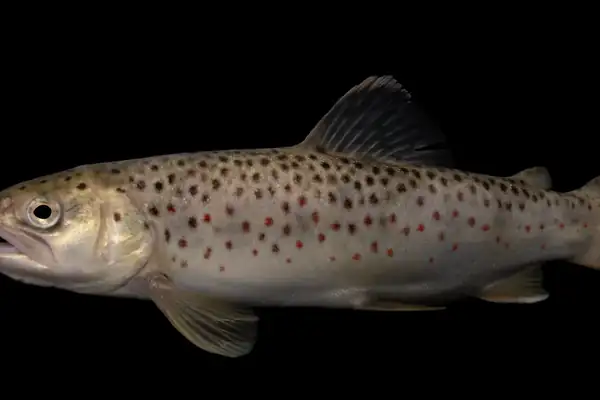 Brown troutSalmo trutta
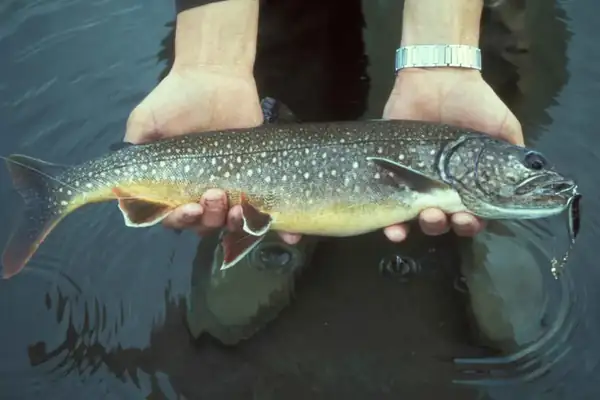 Lake troutSalvelinus namaycush
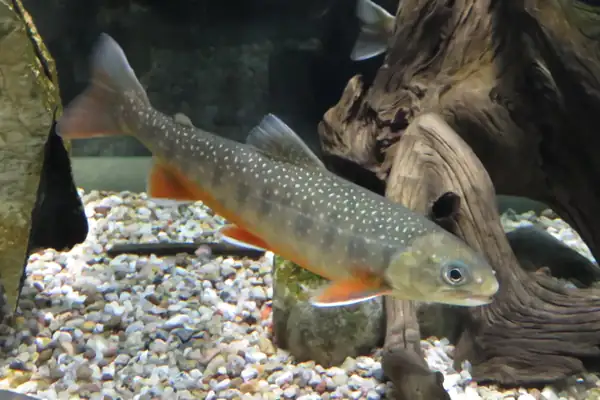 Arctic charSalvelinus alpinus
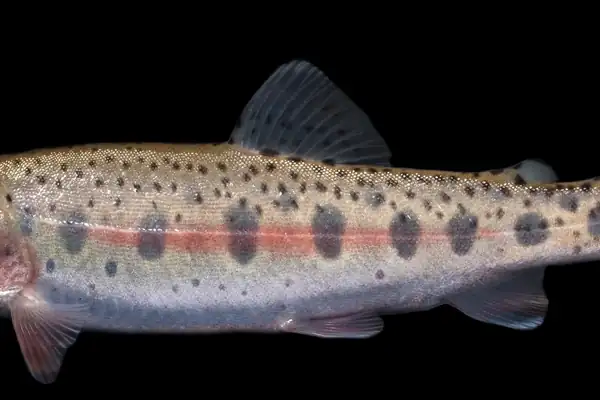 Rainbow troutOncorhynchus mykiss
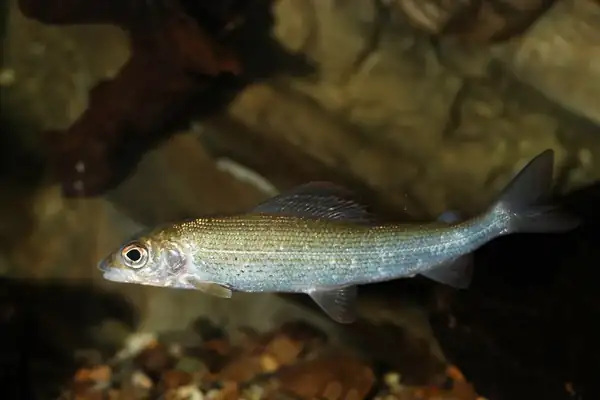 GraylingThymallus thymallus
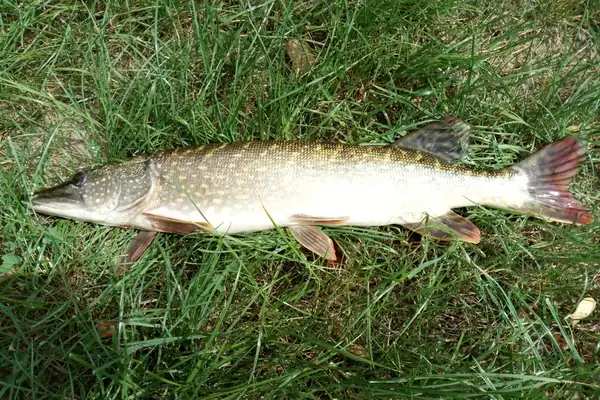 Northern pikeEsox lucius
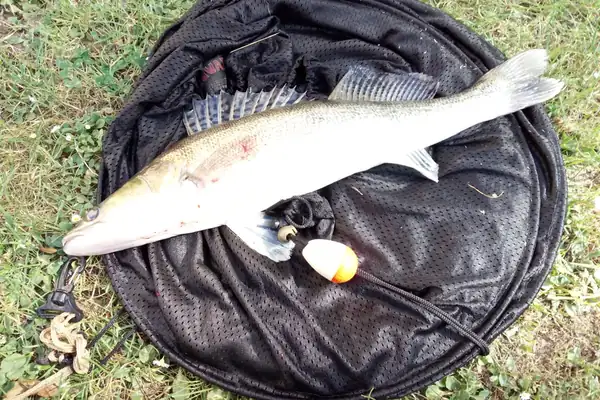 ZanderSander lucioperca
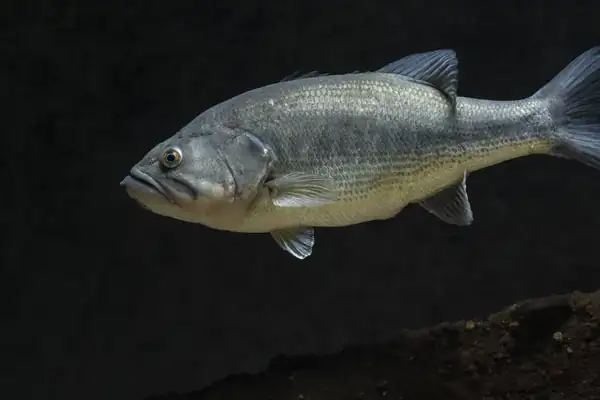 Largemouth bassMicropterus salmoides
Useful gear for this area
Chosen from the species and size limits regulated in this area.
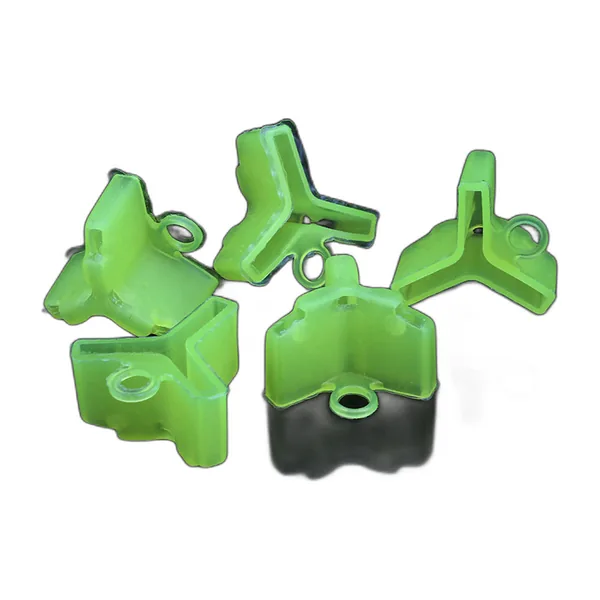 Treble Hook Covers, Pack of 150
Suited to: Northern pike, Zander, European perch, Largemouth bass, Brown trout, Rainbow trout.
€26.90£12.90Not shipped to the United States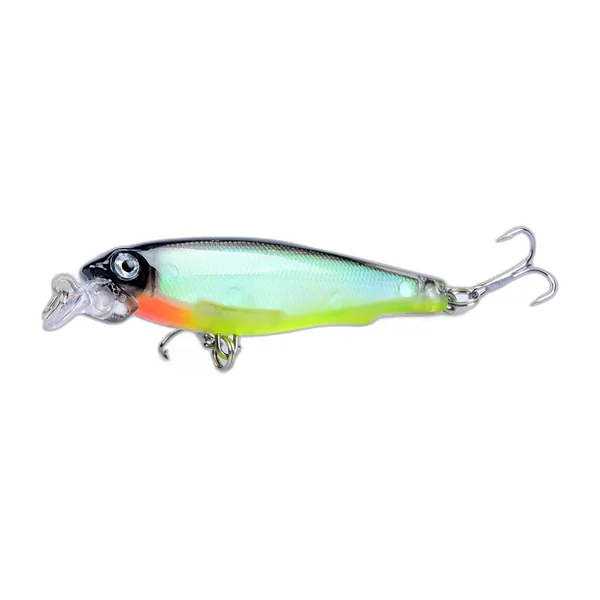 Laser-Finish VIB Lures 8 cm, Pack of 5
Suited to: European perch, Zander, Largemouth bass, Brown trout, Rainbow trout.
€25.90£12.90Not shipped to the United States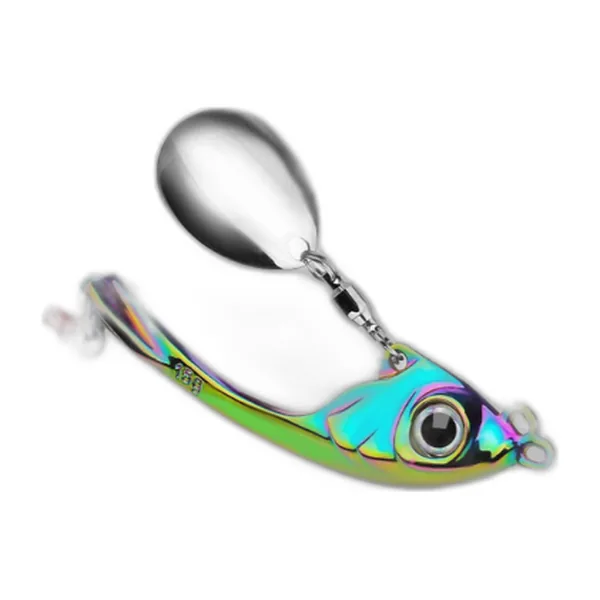 Zinc Fish-Body Spinners, Pack of 5
Suited to: Northern pike, European perch, Largemouth bass.
€27.90£13.90Not shipped to the United States