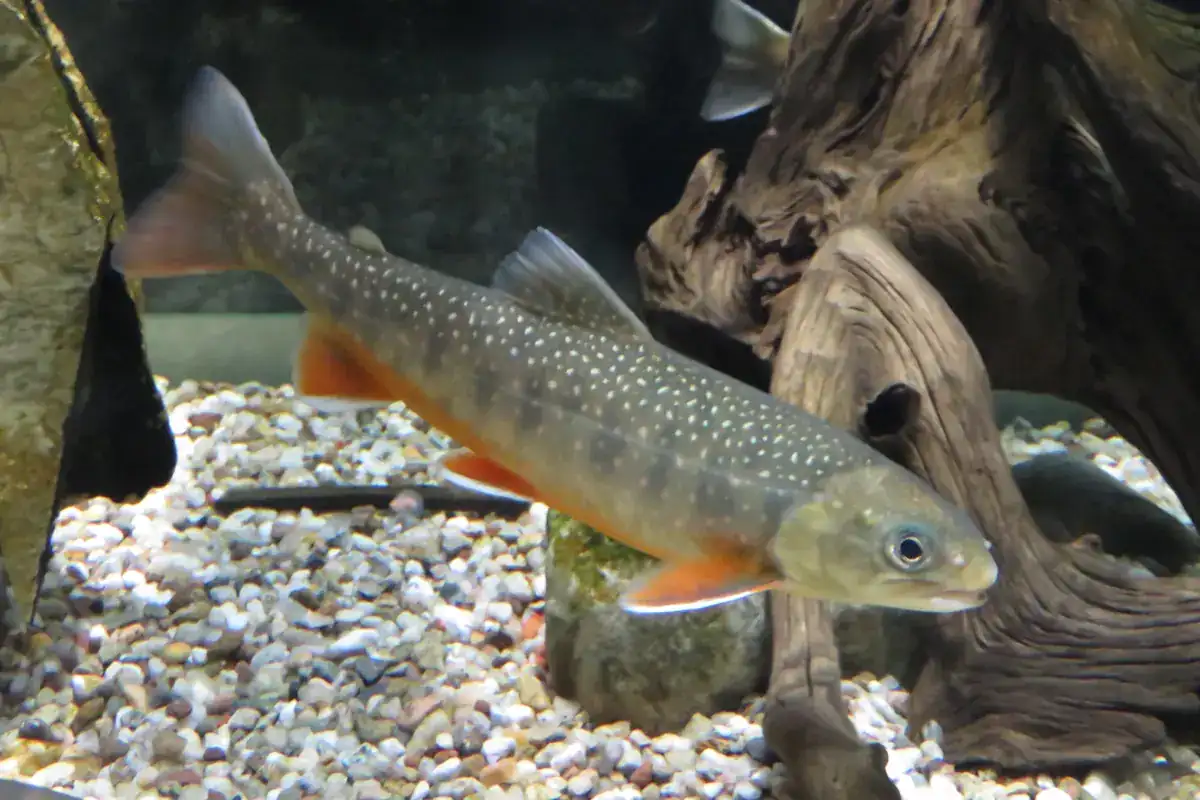
Arctic char
Salvelinus alpinus

Related gear
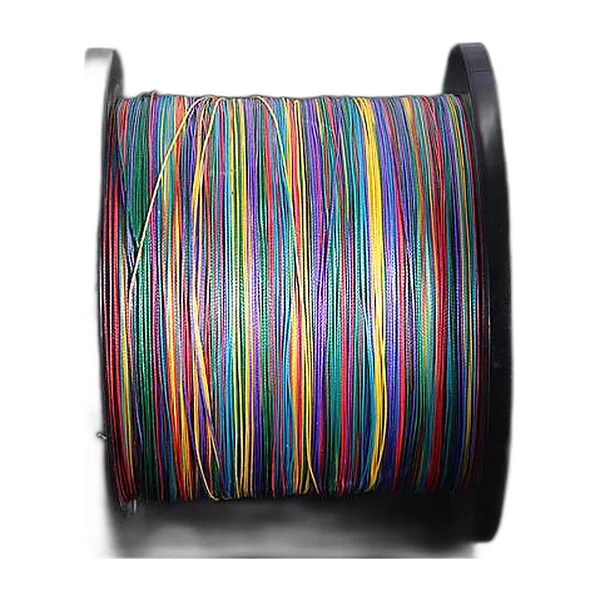 8-Strand Multicolour PE Braid, 500 m
For: Vertical jigging, Bank fishing vs boat fishing.
€72.90£49.90Not shipped to the United States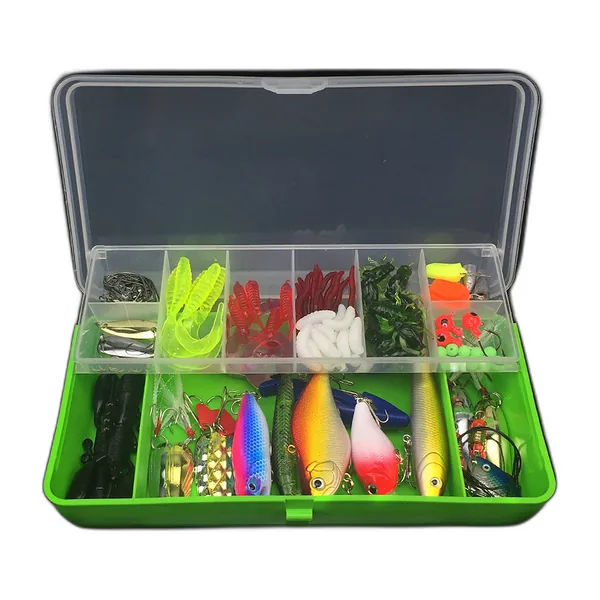 101-Piece Lure and Tackle Box
For: Spoon and spinner fishing.
€41.90£23.90Not shipped to the United States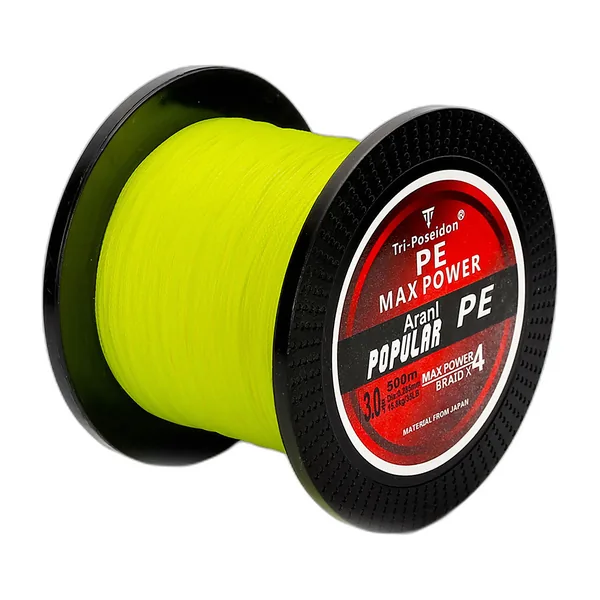 4-Strand PE Braid, 300 m
For: Spoon and spinner fishing.
€29.90£15.90Not shipped to the United States
The world's most northerly freshwater fish
Arctic char are the most northerly freshwater salmonid, found all around the Arctic, in Scandinavia, Iceland, the British Isles, Canada and Alaska. In Scotland and the English Lake District, relict char populations in deep glacial lakes are a special angling target. FishBase describes the species in cold, clear water: lakes, deep runs and pools of rivers, and, for sea-run forms, estuaries and coasts. It is extremely sensitive to pollution.
Two ways of life
Some populations spend much of their lives at sea and barely feed in fresh water; others stay in lakes and rivers all their lives (FishBase). The review by Klemetsen and colleagues (2003) describes this great variability, sometimes with several forms living in the same lake. In fresh water, char eat planktonic crustaceans, amphipods, molluscs, insects and fish.
Sizes
Common length is 40 cm (15.7 in); the maximum published is 107 cm (42 in) and 15 kg (33 lb), with a maximum reported age of 40 years (FishBase). The largest fish come from sea-run Arctic populations.
Spawning
Char spawn in autumn and winter, usually over pebble and stone bottoms in lakes; sea-run populations enter rivers to breed at the same time (FishBase). Lake spawning grounds are very localised, which is why autumn-winter closures and minimum sizes are common. Check the regulation page for your water.
Methods
In lakes, char often hold deep in summer: vertical jigging with small jigs or spoons over fish marked on sonar is the most effective approach, and trolling at depth is traditional in Britain. After ice-out, char feed near the margins and take flies and small spoons. In the Arctic, sea-run char are caught on spoons and flies in rivers, and ice fishing is a long tradition across the north.
Release
Char brought up from great depth often suffer barotrauma, making release uncertain. If you intend to release, fish moderate depths, use single barbless hooks and keep air exposure short in severe cold.
Tackle checklist
For deep lakes, a light jigging or trolling set-up with braid, small jigs and spoons, and a sonar; for rivers and margins, a 5-6 weight fly rod or a light spinning rod. In the Arctic, pack for cold, wet conditions and carry a life jacket in boats.
Lures and baits
- Small spoons and jigs
- Nymphs and streamers
- Multi-hook lake rigs where legal
- Small natural baits through the ice where legal
Catch and release
- Char caught deep are likely to suffer barotrauma; release is risky.
- Single barbless hooks if you release.
- Keep air exposure short, especially in extreme cold.
Minimum size for Arctic char by area
France : 18–35 cm (60)
| Ain | 23 cm |
| Alpes-Maritimes | 20 cm |
| Ardèche | 27 cm |
| Ardennes | 23 cm |
| Aube | 25 cm |
| Aude | 20 cm |
| Aveyron | 23 cm |
| Bouches-du-Rhône | 23 cm |
| Charente | 23 cm |
| Cher | 25 cm |
| Corrèze | 20 cm |
| Corse-du-Sud | 18 cm |
| Creuse | 23 cm |
| Doubs | 25 cm |
| Essonne | 23 cm |
| Eure | 25 cm |
| Finistère | 23 cm |
| France | 23 cm |
| Gard | 20 cm |
| Gers | 23 cm |
| Gironde | 23 cm |
| Haut-Rhin | 23 cm |
| Haute-Corse | 18 cm |
| Haute-Garonne | 20 cm |
| Haute-Marne | 25 cm |
| Haute-Saône | 25 cm |
| Haute-Savoie | 23 cm |
| Haute-Vienne | 23 cm |
| Hautes-Alpes | 20 cm |
| Hautes-Pyrénées | 23 cm |
| Hauts-de-Seine | 23 cm |
| Ille-et-Vilaine | 23 cm |
| Indre | 23 cm |
| Landes | 23 cm |
| Loir-et-Cher | 23 cm |
| Loire-Atlantique | 23 cm |
| Loiret | 25 cm |
| Lot-et-Garonne | 23 cm |
| Maine-et-Loire | 23 cm |
| Manche | 23 cm |
| Meurthe-et-Moselle | 23 cm |
| Morbihan | 23 cm |
| Moselle | 23 cm |
| Nièvre | 23 cm |
| Paris | 23 cm |
| Pyrénées-Atlantiques | 23 cm |
| Pyrénées-Orientales | 23 cm |
| Rhône | 23 cm |
| Saône-et-Loire | 23 cm |
| Savoie | 35 cm |
| Seine-et-Marne | 23 cm |
| Seine-Saint-Denis | 23 cm |
| Tarn | 20 cm |
| Tarn-et-Garonne | 23 cm |
| Val-d'Oise | 23 cm |
| Val-de-Marne | 23 cm |
| Var | 23 cm |
| Vendée | 23 cm |
| Vosges | 23 cm |
| Yvelines | 23 cm |
Luxembourg : 30 cm (2)
Germany : 25–30 cm (2)
| Baden-Württemberg | 25 cm |
| Nordrhein-Westfalen | 30 cm |
Austria : 22–30 cm (7)
| Kärnten | 30 cm |
| Niederösterreich | 28 cm |
| Oberösterreich | 22 cm |
| Salzburg | 25 cm |
| Steiermark | 28 cm |
| Tirol | 25 cm |
| Vorarlberg | 25 cm |
Italy : 15–30 cm (8)
Switzerland : 22–30 cm (10)
Canada : 15 cm (1)
Studies cited
- Klemetsen et al. (2003) Atlantic salmon Salmo salar L., brown trout Salmo trutta L. and Arctic charr Salvelinus alpinus (L.): a review of aspects of their life histories Ecology of Freshwater Fish doi:10.1034/j.1600-0633.2003.00010.x
Reference review of Atlantic salmon, brown trout and Arctic charr life histories: lake-dwelling and sea-run forms and variation between populations.
Official sources
- FishBase – Salvelinus alpinus (fiche espèce ; statut IUCN Red List 2025-2 repris par FishBase) (accessed on 23 September 2026)