Vertical jigging
Related gear
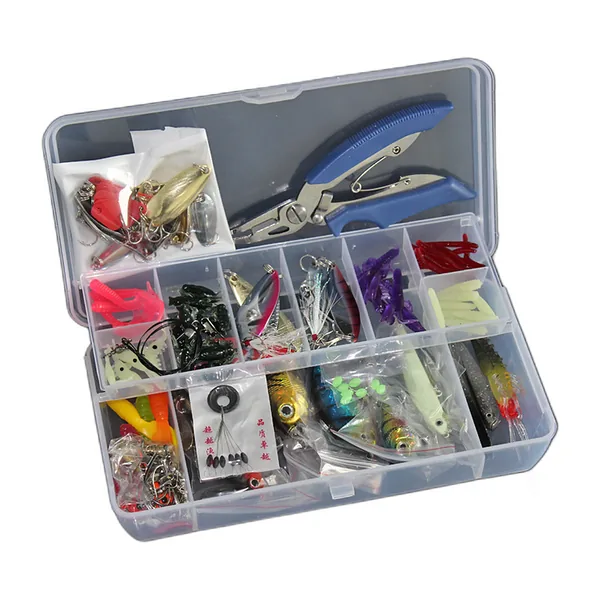 132-Piece Lure and Tackle Box
Suited to: Northern pike, Zander, Walleye, European perch, Smallmouth bass.
€51.90£29.90Not shipped to the United States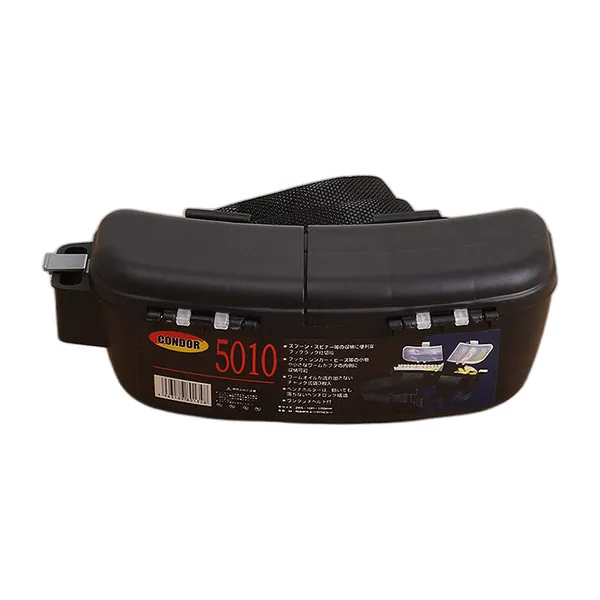 Waist-Mounted Lure Box
Suited to: European perch, Northern pike, Smallmouth bass.
€33.90£16.90Not shipped to the United States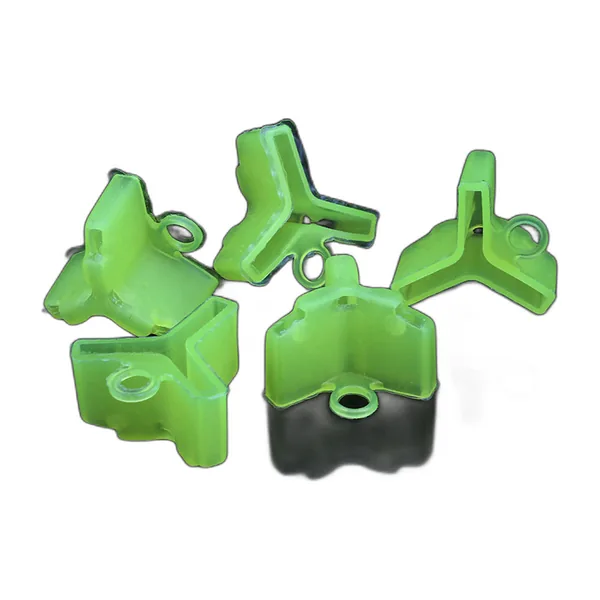 Treble Hook Covers, Pack of 150
Suited to: Northern pike, Zander, Walleye, European perch, Smallmouth bass.
€26.90£12.90Not shipped to the United States
The idea
Vertical jigging means fishing from a boat directly above the fish, lifting and dropping a lure near the bottom. Instead of casting far and searching blindly, you first find fish or their holding spots on sonar, then put the lure right in front of them. It is deadly in winter for zander, walleye and perch, and in summer for deep fish such as lake trout and Arctic char.
Tackle
A short, sensitive rod, a light reel, thin no-stretch braid that transmits every touch, and a fluorocarbon leader, or wire where pike live. Lures include heavy jigheads with soft plastics, metal jigs and jigging spoons. Sonar is the key tool: it shows drop-offs, holes, baitfish schools and often the predators themselves. A life jacket is essential.
Working the lure
Drop the lure to the bottom on a tight line. Lift it with short strokes, then let it fall while keeping contact. Many takes come on the drop: a tap, a line going slack, a weight that disappears. In cold water, shorten the lifts and add pauses. A trolling motor or controlled drift keeps you vertical; if the line angles away, the lure is no longer where you want it.
The depth problem
Fishing deep raises a release question. Fish brought up quickly from great depth can suffer barotrauma: an expanded swim bladder, bulging eyes or everted stomach. Talmage and Staples (2011) measured mortality of walleyes angled from the deep waters of Rainy Lake, and Gravel and Cooke (2008) showed that barotrauma severity affects the behaviour and fate of released smallmouth bass. If you plan to release, fish moderate depths, bring fish up steadily and release them quickly; if you fish very deep, accept that survival after release may be poor and keep within size and bag limits.
Rules and safety
Check whether boats are allowed, any motor restrictions, lure bans during predator close seasons and mandatory safety equipment. In North America, some states and provinces have specific guidance on fish showing barotrauma. See the regulation page for your area.
Quick checklist
Carry jigs in several weights so you can adapt to depth and drift, spare leaders, and a marker buoy to note productive spots. Keep the net ready in the boat before you start.
The gear, item by item
- Short, sensitive fast-action rod
- Light spinning or baitcasting reel
- Thin, no-stretch braid to feel every take
- Fluorocarbon leader; wire where pike live
- Heavy jigheads, metal jigs, jigging spoons Flat Metal Jigs with Assist Hooks, Pack of 3 €24.90£12.90Not shipped to the United States
- Soft plastics of 7-15 cm (3-6 in)
- Sonar to find structure and fish
- Rubber-mesh landing net
- Life jacket in the boat
Step by step
- Use sonar to find drop-offs, holes and baitfish schools.
- Position the boat directly above, using a trolling motor or a controlled drift.
- Drop the lure to the bottom on a tight line.
- Work it with short lifts, then let it fall under control.
- Keep the lure just off the bottom as the boat drifts.
- Strike at anything unusual on the drop.
- Bring the fish up steadily and unhook quickly.
Common mistakes
- Lifts too big or too fast in cold water.
- A lure too light to keep bottom contact.
- Fishing very deep for fish you plan to release (barotrauma).
- Ignoring drift, so the lure leaves the vertical.
- Forgetting the life jacket.
Rules to check before you go
- Whether boats are allowed on the water.
- Petrol or electric motor restrictions on some lakes.
- Lure bans during predator close seasons in some countries.
- Size and bag limits.
- Mandatory safety equipment on board.
Fishing regulations by country
Studies cited
- Talmage & Staples (2011) Mortality of Walleyes Angled from the Deep Waters of Rainy Lake, Minnesota North American Journal of Fisheries Management doi:10.1080/02755947.2011.623759
Measures mortality of walleyes angled from the deep waters of Rainy Lake: capture depth matters for post-release survival. - Gravel & Cooke (2008) Severity of Barotrauma Influences the Physiological Status, Postrelease Behavior, and Fate of Tournament-Caught Smallmouth Bass North American Journal of Fisheries Management doi:10.1577/m07-013.1
Shows that barotrauma severity affects the physiology, behaviour and fate of released smallmouth bass.