European perch
Perca fluviatilis

season calendar
Closed months recorded (share of areas closing the species that month) — 27 areas.
Related gear
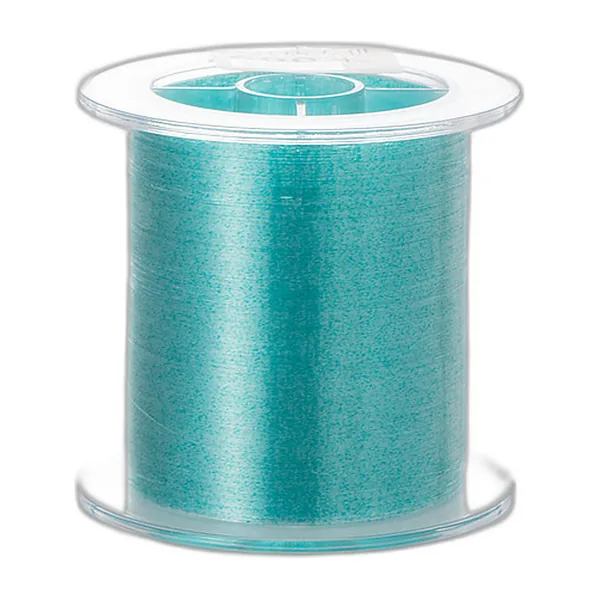 Camouflage Nylon Line, Light Blue, 1,000 m
For : roach, common bream, common carp · float fishing (waggler and stick float)
€30.90£14.90Not shipped to the United States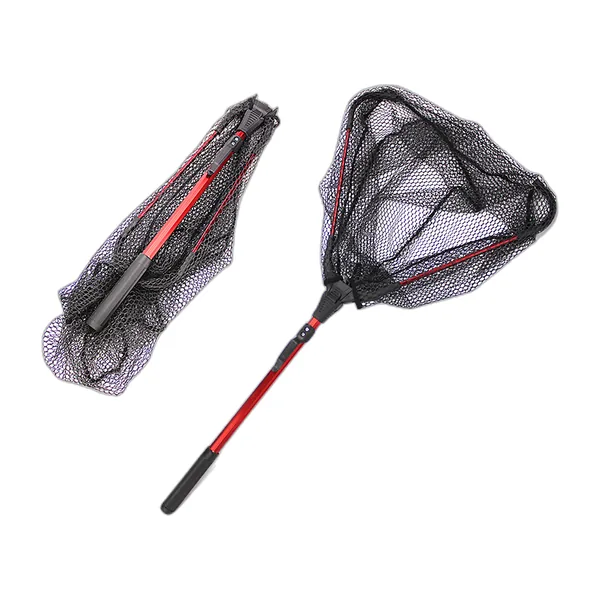 Responsible gearFolding Triangle Landing Net, 47 cm Folded
For : brown trout, rainbow trout, european perch · fly fishing (dry fly and nymph)
€37.90£18.90Not shipped to the United States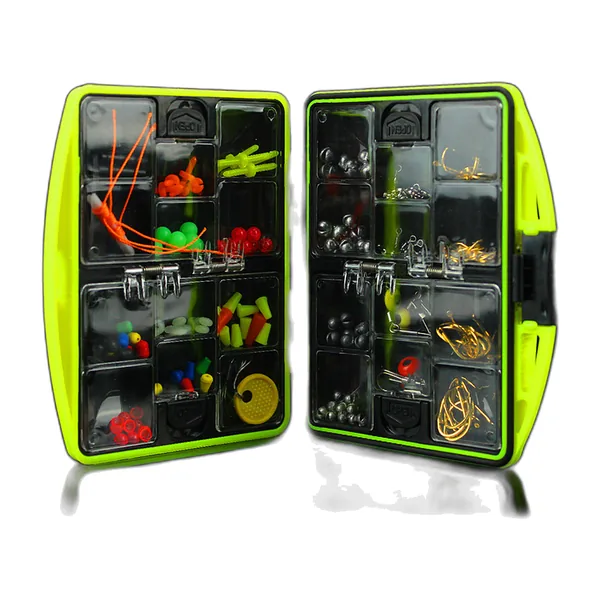 Rigging Accessory Assortment, 184 Pieces
For : roach, common bream, common carp · float fishing (waggler and stick float)
€27.90£13.90Not shipped to the United States
A schooling opportunist
European perch live almost everywhere: lagoons, all kinds of lakes and medium-sized rivers. FishBase describes them as opportunistic daytime feeders, most active at sunrise and sunset. Young perch eat zooplankton, then bottom invertebrates near the shore, and switch to fish at around 12 cm (4.7 in). That shift is why small perch take worms while bigger ones hit fish-imitating lures.
Perch often hunt in groups and drive fry to the surface; splashes late in the day usually mean a shoal. Once you catch one, keep fishing the same spot. In Australia and New Zealand, where this species is introduced as "redfin", local rules may differ.
Sizes
Common length is 25 cm (9.8 in); the maximum published is 60 cm (23.6 in) standard length and 4.8 kg (10.6 lb), with a maximum age of 22 years (FishBase). A perch over 40 cm (16 in) is a fine fish on most waters. Growth depends heavily on the water: Persson (1986) showed that perch change how they use resources when competition from other species is reduced.
Seasons
Perch spawn between February and July depending on region; eggs are laid in long white ribbons draped over submerged branches and weed. There is often no specific closed season, but predator closures or spring lure bans may apply in some countries, so check the regulation page for your area. Late summer and autumn, when fry are plentiful, are prime time. In winter, shoals gather deeper.
Methods
A 3-7 cm (1-3 in) soft plastic on a light jighead, a size 1-3 inline spinner and a drop-shot rig for fish holding near the bottom cover most situations. From a boat or through the ice, vertical micro-jigging is very effective. On float tackle, worms and maggots catch perch all year round. In the UK, a lobworm under a float in winter is a classic big-perch method.
Releasing perch
Perch brought up quickly from deep water can suffer an expanded swim bladder. If you plan to release fish, fish moderate depths, use barbless hooks and wet your hands. If you keep a few for the table, follow any local size and bag limits.
Lures and baits
- Small soft plastics 3-7 cm (1-3 in)
- Size 1-3 inline spinners
- Drop-shot
- Micro jigs
- Worms and small baitfish where legal
Catch and release
- Use small, preferably barbless hooks for a quick unhooking.
- Perch caught deep can suffer barotrauma: avoid very deep water if you intend to release.
- Wet your hands before handling.
Frequently asked questions
What do perch eat?
European perch are opportunistic predators: FishBase says larvae eat plankton, juveniles bottom invertebrates, and perch often turn to eating fish at about 12 cm, hunting mainly at sunrise and sunset. Yellow perch in North America eat immature insects, larger invertebrates, fish and fish eggs by day (FishBase).
European perch (Perca fluviatilis): FishBase describes an opportunistic diurnal feeder that preys mainly at sunrise and sunset, using all available prey. Larvae and small juveniles feed on planktonic invertebrates; during their first summer many juveniles move inshore to feed on bottom prey. Perch often become fish-eaters at about 12 cm (standard length). The Canal & River Trust notes that small perch bite boldly on maggots or worm, while bigger perch are caught on worms or small lures. Yellow perch (Perca flavescens), the 'perch' of North America: FishBase says it feeds during the day on immature insects, larger invertebrates, fishes and fish eggs, and is preyed upon by fish and birds. Take Me Fishing notes it will devour almost any natural bait and many artificials, including flies, and feeds actively in winter under the ice. For anglers, this diet explains why worms, maggots, minnows (where allowed) and small spinners, jigs and soft lures all catch perch.
Official sources : FishBase — Perca fluviatilis (species summary) ; Canal & River Trust — Perch (freshwater fish species) ; FishBase — Perca flavescens (species summary) ; Take Me Fishing (RBFF) — Yellow Perch
Can you eat perch?
Yes. FishBase describes European perch flesh as excellent and not very bony, and yellow perch are marketed fresh or frozen. Keeping them depends on local rules: on English and Welsh rivers only perch up to 20 cm may be taken (15 small coarse fish a day). In Ohio the inland limit is 30 yellow perch a day.
Perch are food fish. FishBase says European perch flesh is 'excellent and not so bony', used fresh and frozen. Yellow perch are marketed fresh or frozen and eaten pan-fried, broiled or baked. Whether you may keep one depends on the rules where you fish. England: on rivers, up to 15 small coarse fish a day may be taken, each up to 20 cm, and perch are on the list, so bigger perch must be returned. On stillwaters and canals, you need the owner's permission (GOV.UK). Wales applies equivalent limits (NRW). Elsewhere in Europe, Wallonia (Belgium) requires perch to be 24 cm and allows 5 a day. Flanders lists perch among the species that may be taken with the large licence. United States: yellow perch limits are set by each state; Ohio's statewide inland limit is 30 a day, and other states differ. Check local consumption advisories before eating fish from a specific water. We give no cooking advice. For keeper sizes, see local regulations.
Official sources : FishBase — Perca fluviatilis (species summary) ; FishBase — Perca flavescens (species summary) ; GOV.UK — Freshwater rod fishing rules: fish size and catch limits ; Natural Resources Wales — Minimum fish size and catch limits ; Wallonia — AGW of 8 December 2016 on fishing rules ; Flanders — BVR of 1 February 2013 (river fishing) ; Ohio DNR Division of Wildlife — 2026-27 fishing regulations
How do you catch perch?
The Canal & River Trust says small perch bite boldly close to the near bank on maggots or a piece of worm; bigger perch are often in the middle of the canal, caught by feeding worms and fishing a worm or maggot over it, or on small spinners and lures. Perch often swallow the hook, so carry a disgorger.
The Canal & River Trust gives clear guidance. Small perch can be caught in abundance close to the nearside bank using maggots or a piece of worm. The bigger perch tend to be found in the centre of the canal: feed plenty of worms, then fish a worm or maggot hookbait over the feed. Small and large perch alike can also be caught on small spinners and lures. Perch often swallow the hook deeply; use a disgorger, and in an emergency cut the line close to the hook. Handle them carefully because of their very spiky dorsal fin and pointed gill covers. FishBase notes perch hunt mainly at sunrise and sunset and can be caught on natural or artificial bait. For North American yellow perch, Take Me Fishing lists drift fishing, trolling, fly fishing and still fishing, with minnows, jigs, spinner baits, leeches, insects, plugs, spoons and flies. It adds that they are caught year-round, including through the ice. Rules: in England and Wales, rivers are closed to coarse fishing from 15 March to 15 June and only perch up to 20 cm may be taken from rivers.
Official sources : Canal & River Trust — Perch (freshwater fish species) ; FishBase — Perca fluviatilis (species summary) ; Take Me Fishing (RBFF) — Yellow Perch ; GOV.UK — Freshwater rod fishing rules: when and where you can fish ; GOV.UK — Freshwater rod fishing rules: fish size and catch limits
What is the best bait for perch?
The Canal & River Trust recommends maggots or a piece of worm for small perch and worms (with loose-fed worms) for big perch. For yellow perch, Take Me Fishing lists minnows, leeches and insects. No source ranks baits; check whether live fish may be used as bait where you fish.
European perch: the Canal & River Trust says small perch bite boldly on maggots or a piece of worm close to the near bank. For bigger perch, it suggests feeding plenty of worms and fishing a worm or maggot over the feed; large perch in canals have fallen to worms. FishBase notes perch can be caught with natural or artificial bait and become fish-eaters at about 12 cm. Yellow perch: Take Me Fishing says it will devour almost any natural bait, and lists minnows, leeches and insects alongside lures. No official source ranks baits, so we do not name one best bait. Worms are the most consistently cited option for European perch. Perch often swallow baits deeply; strike promptly and use a disgorger (Canal & River Trust). Bait rules vary. In England, crayfish are banned as bait. Many places regulate live fish as bait: Wallonia allows only listed species as live bait, and US states regulate bait fish transport to prevent the spread of invasive species and disease. In England and Wales, perch in rivers may not be fished from 15 March to 15 June.
Official sources : Canal & River Trust — Perch (freshwater fish species) ; FishBase — Perca fluviatilis (species summary) ; Take Me Fishing (RBFF) — Yellow Perch ; GOV.UK — Freshwater rod fishing rules: fish size and catch limits ; Wallonia — AGW of 8 December 2016 on fishing rules ; GOV.UK — Freshwater rod fishing rules: when and where you can fish
What is the best lure for perch?
No source ranks lures, but the Canal & River Trust says both small and large perch can be caught on small spinners and lures, and Take Me Fishing lists jigs, spinner baits, plugs, spoons and flies for yellow perch. Perch become fish-eaters at about 12 cm, so small fish imitations work.
The Canal & River Trust states that small and large perch alike can be caught using small spinners and lures. It notes that numbers of large perch fall to worms or small lures on canals such as the Grand Union, Leeds & Liverpool, Trent & Mersey and Staffordshire & Worcestershire. FishBase explains why lures work: perch often feed on fish from about 12 cm and hunt mainly at sunrise and sunset. For yellow perch, Take Me Fishing lists flies, jigs, spinner baits, plugs and spoons among lures, and notes they feed actively even under the ice. Neither source names a specific model, size or colour, so we do not declare a best lure. Small spinners and jigs are the options both sources share. Perch have spiky dorsal fins and often take lures deeply; unhook them carefully with pliers or a disgorger. Rules: England and Wales rivers are closed to coarse fishing from 15 March to 15 June. In some countries, lures are banned during the pike close season, as in France on second-category waters.
Official sources : Canal & River Trust — Perch (freshwater fish species) ; FishBase — Perca fluviatilis (species summary) ; Take Me Fishing (RBFF) — Yellow Perch ; GOV.UK — Freshwater rod fishing rules: when and where you can fish ; Génération Pêche (FNPF, France) — Règles à connaître 2026
How long do perch live?
FishBase gives a maximum reported age of 22 years for European perch; the Canal & River Trust gives a typical lifespan of 7 to 12 years. Yellow perch live up to 11 years according to FishBase. Males mature at 1-2 years and females at 2-4 years (European perch).
European perch (Perca fluviatilis): FishBase lists a maximum reported age of 22 years, a common length of 25 cm and a maximum of 60 cm (standard length) and 4.8 kg. It notes that males reach sexual maturity at 1-2 years and females at 2-4 years. The Canal & River Trust gives a typical lifespan of 7 to 12 years in British canals. Yellow perch (Perca flavescens): FishBase lists a maximum reported age of 11 years, a common length of 19.1 cm and a maximum of 50 cm and 1.9 kg. It says the species spawns between February and July in the Northern Hemisphere. Lifespan in a given water depends on growth, predation and harvest. European perch spawn from February to July, laying eggs in long white ribbons over submerged objects (FishBase); these ribbons are a sign of spawning in spring. Careful handling of released perch, including prompt unhooking, helps survival.
Official sources : FishBase — Perca fluviatilis (species summary) ; Canal & River Trust — Perch (freshwater fish species) ; FishBase — Perca flavescens (species summary)
How big do perch get?
FishBase lists European perch at a common length of 25 cm and a maximum of 60 cm (standard length) and 4.8 kg. The Canal & River Trust gives up to 6 lb and a British record of 6 lb 3 oz from Wilstone Reservoir (2015). Yellow perch are smaller: up to 50 cm and 1.9 kg (FishBase).
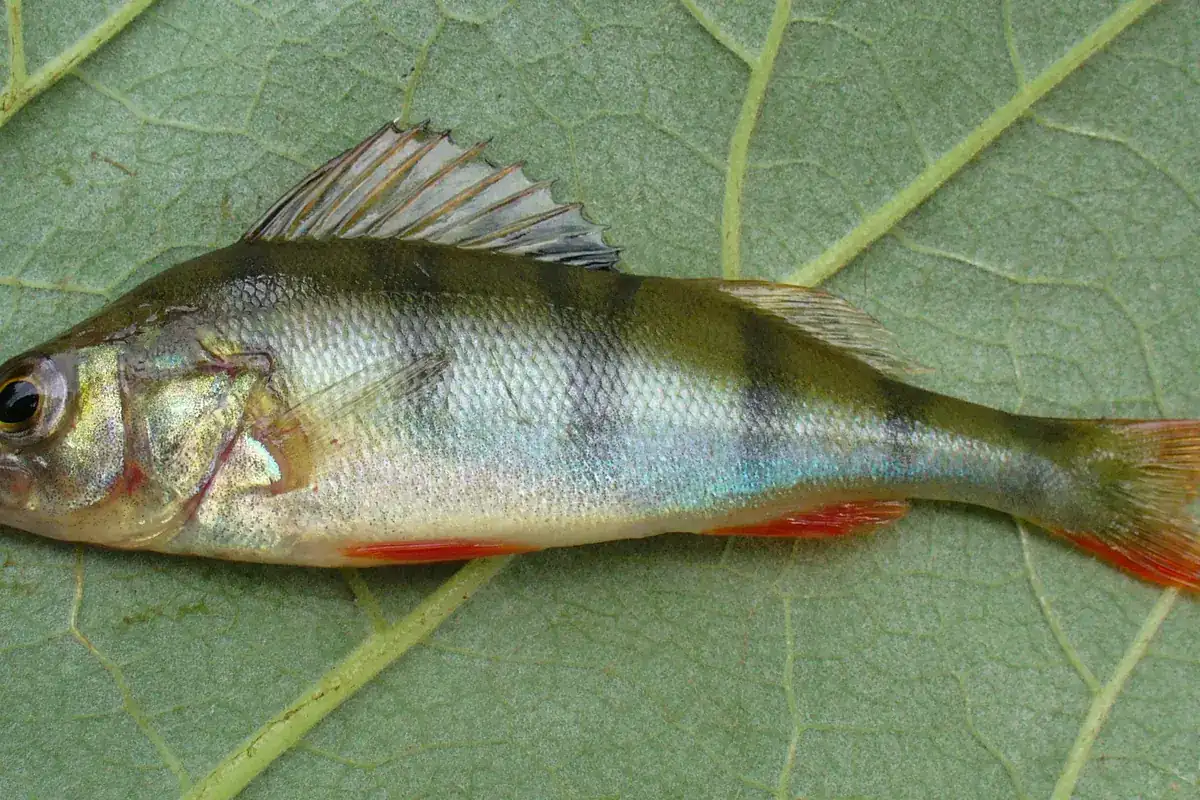
European perch: FishBase lists a common length of 25 cm, a maximum of 60 cm (standard length), a maximum weight of 4.8 kg and a maximum age of 22 years. The Canal & River Trust gives a size of up to 6 lb and a British record of 6 lb 3 oz, caught at Wilstone Reservoir near Tring (British Record Committee, 2015). Large perch are present in all canals but few in number, it adds. Perch are recognised by a greeny-brown back with dark vertical bars and bright orange or red pelvic and anal fins. They have a very spiky dorsal fin (Canal & River Trust). Yellow perch: FishBase gives a common length of 19.1 cm and a maximum of 50 cm and 1.9 kg; Take Me Fishing says the average size caught is 4-12 oz. Size rules: in England and Wales, only perch up to 20 cm may be taken from rivers (15 small coarse fish a day). Wallonia requires 24 cm, and US states set their own rules for yellow perch.
Official sources : FishBase — Perca fluviatilis (species summary) ; Canal & River Trust — Perch (freshwater fish species) ; FishBase — Perca flavescens (species summary) ; Take Me Fishing (RBFF) — Yellow Perch ; GOV.UK — Freshwater rod fishing rules: fish size and catch limits ; Wallonia — AGW of 8 December 2016 on fishing rules
When is the best time to fish for perch?
FishBase says European perch hunt mainly at sunrise and sunset. In England and Wales, perch in rivers can only be fished from 16 June to 14 March, while canals and most stillwaters are open all year. Yellow perch can be caught all year, including through the ice, according to Take Me Fishing.
Legal calendar in Great Britain: rivers, streams, drains and some canals in England are closed to coarse fishing from 15 March to 15 June (GOV.UK). Most canals and enclosed stillwaters stay open all year (Canal & River Trust), and Wales follows the same pattern (NRW). Scotland has no close time for coarse fish. Some countries close predator fishing in spring; in France, lures are banned on second-category waters during the pike close season. Time of day: FishBase describes the European perch as an opportunistic diurnal feeder that preys mainly at sunrise and sunset. Season: perch spawn from February to July (FishBase), laying egg ribbons on submerged objects. No official source names a best month, so we do not invent one. Yellow perch: Take Me Fishing says it provides fast action and can be caught all year long. It adds that it feeds actively in winter, when it is caught ice fishing. US seasons and limits are set by each state; for example, Ohio allows 30 yellow perch a day inland.
Official sources : GOV.UK — Freshwater rod fishing rules: when and where you can fish ; Canal & River Trust — Coarse fishing close season ; Natural Resources Wales — Non-migratory trout, charr, coarse fish and eels open seasons ; Scottish Government — Recreational fishing ; Génération Pêche (FNPF, France) — Règles à connaître 2026 ; FishBase — Perca fluviatilis (species summary) ; Take Me Fishing (RBFF) — Yellow Perch ; Ohio DNR Division of Wildlife — 2026-27 fishing regulations
What time of day do perch bite?
FishBase states that European perch are opportunistic daytime feeders that prey mainly at sunrise and sunset, so early morning and evening are the most documented times. Yellow perch feed during the day, according to FishBase, and stay active in winter under the ice (Take Me Fishing). No agency publishes a best hour.
For the European perch (Perca fluviatilis), FishBase is specific: it is 'an opportunistic diurnal feeder which preys mainly during sunrise and sunset, using all available prey'. For the yellow perch (Perca flavescens), FishBase says it feeds on immature insects, larger invertebrates, fishes and fish eggs during the day. Take Me Fishing adds that yellow perch provide fast action year-round, including in winter under the ice. No agency publishes a precise best hour, so we stay with these descriptions. Practical implications: on a typical day, the early morning and evening periods match the documented hunting peaks of European perch. Small perch near the bank often bite throughout the day on maggots or worm (Canal & River Trust). Legal hours can apply locally. England's national byelaws set no daily hours for coarse fishing, but fisheries may. Some countries restrict fishing to daylight, such as France, from half an hour before sunrise to half an hour after sunset.
Official sources : FishBase — Perca fluviatilis (species summary) ; FishBase — Perca flavescens (species summary) ; Take Me Fishing (RBFF) — Yellow Perch ; Canal & River Trust — Perch (freshwater fish species) ; Génération Pêche (FNPF, France) — Règles à connaître 2026
Where can you fish for perch?
European perch live in almost every type of water, from lakes to medium rivers and canals (FishBase). The Canal & River Trust says perch are found in all its waters and names the Grand Union, Leeds & Liverpool, Trent & Mersey and Staffs & Worcs canals for big perch. Yellow perch are widespread in the northern US and Canada.
European perch: FishBase describes a very wide range of habitats, from estuarine lagoons and lakes of all types to medium-sized streams. The Canal & River Trust says perch can be found in all its waters. Small perch are very common, and large perch are present in all canals but few in number. The Grand Union, Leeds & Liverpool, Trent & Mersey and Staffordshire & Worcestershire canals produce numbers of large perch each year. The British record came from Wilstone Reservoir, Tring. In England and Wales you need an Environment Agency rod licence plus permission from the fishery; the Trust's fishery search finds local venues by postcode. Yellow perch: Take Me Fishing says it is widespread in the northern United States and Canada and sparsely distributed in the South and much of the West and Midwest. It lists docks, piers, weed beds, drop-offs, points, lily pads and overhanging trees as places to find it. US licences and limits are set by each state.
Official sources : FishBase — Perca fluviatilis (species summary) ; Canal & River Trust — Perch (freshwater fish species) ; Canal & River Trust — Where to fish ; GOV.UK — Buy a fishing licence ; Take Me Fishing (RBFF) — Yellow Perch
What size perch can you keep?
It depends on local rules. In England and Wales, only perch up to 20 cm may be taken from rivers (15 small coarse fish a day); stillwaters need the owner's permission. Wallonia requires 24 cm and 5 a day. US states set yellow perch rules, such as 30 a day in Ohio.
England: GOV.UK allows anglers to take up to 15 small coarse fish per day from rivers, each up to 20 cm, and perch are among the listed species. Perch over 20 cm must therefore be returned on rivers. On stillwaters and canals, fish may be removed only with the owner's permission, usually stated in the fishery rules. Wales applies an equivalent daily limit of 15 small native fish up to 20 cm on rivers (NRW). Belgium: Wallonia sets a 24 cm minimum for perch and 5 perch per day. Flanders lists perch among the ten species that may be taken with the large licence, within a total of 5 fish over 15 cm. Netherlands and other countries have their own rules. United States: yellow perch sizes and limits are set by each state; Ohio's statewide inland limit is 30 yellow perch a day. Check your state regulations and the rules of the specific water.
Official sources : GOV.UK — Freshwater rod fishing rules: fish size and catch limits ; Natural Resources Wales — Minimum fish size and catch limits ; Wallonia — AGW of 8 December 2016 on fishing rules ; Flanders — BVR of 1 February 2013 (river fishing) ; Ohio DNR Division of Wildlife — 2026-27 fishing regulations
At what temperature do perch spawn?
Our sources give spawning months rather than a temperature: FishBase says European perch spawn from February to July, and yellow perch from February to July in the Northern Hemisphere. Eggs are laid in long white ribbons over submerged objects. No official source gives a spawning temperature.
FishBase states that European perch (Perca fluviatilis) spawn in February-July. Males arrive at the spawning area before females, and a female laying her eggs is followed by a queue of males. The eggs are grouped in long white ribbons, up to 1 m, laid over weeds or submerged objects; short spawning migrations may occur. For yellow perch (Perca flavescens), FishBase gives spawning between February and July in the Northern Hemisphere and describes the species as a non-obligatory plant spawner. We did not find a spawning temperature for perch in our official sources, so we do not give one. FishBase lists a general temperature range of 10-22 °C for European perch, which is not a spawning threshold. Protect spawning fish: in England and Wales the river close season for coarse fish (15 March to 15 June) covers part of this period, and many fisheries ask anglers not to disturb egg ribbons.
Official sources : FishBase — Perca fluviatilis (species summary) ; FishBase — Perca flavescens (species summary) ; GOV.UK — Freshwater rod fishing rules: when and where you can fish
What water temperature do perch like?
FishBase lists a temperature range of 10-22 °C for European perch and 0-30 °C for yellow perch. These are general ranges where the species occur, not a single ideal temperature, and no official source gives an optimum for fishing, so we do not state one. In warm water, release fish quickly.
FishBase's environment data give a temperature range of 10-22 °C for the European perch (Perca fluviatilis), a demersal fish that usually lives 3-4 m deep. For the yellow perch (Perca flavescens), FishBase gives 0-30 °C, a species usually found in clear water near vegetation that shoals near shore in spring. These ranges describe where the species occur, not an optimum for angling, and we found no official source giving an ideal fishing temperature, so we do not give one. What is documented: European perch hunt mainly at sunrise and sunset (FishBase). Yellow perch remain active in winter and are caught through the ice (Take Me Fishing). For fish you release, warm water increases stress and mortality (Gale et al. 2011), so in hot weather unhook quickly and keep the fish in water.
Official sources : FishBase — Perca fluviatilis (species summary) ; FishBase — Perca flavescens (species summary) ; Take Me Fishing (RBFF) — Yellow Perch ; Gale et al. 2011, The role of temperature in the capture and release of fish, Fish and Fisheries
Minimum size for European perch by area
France : 20 cm (1)
| Seine-Maritime | 20 cm |
Belgium : 24 cm (1)
Germany : 10–17 cm (3)
Austria : 10 cm (1)
| Oberösterreich | 10 cm |
Netherlands : 22 cm (2)
| IJsselmeer | 22 cm |
| Nederland | 22 cm |
Italy : 15–25 cm (13)
Switzerland : 15–18 cm (15)
| Canton du Valais / Kanton Wallis | 15 cm |
| Kanton Aargau | 15 cm |
| Kanton Basel-Landschaft | 18 cm |
| Kanton Basel-Stadt | 18 cm |
| Kanton Bern / Canton de Berne | 15 cm |
| Nidwalden | 15 cm |
| Obwalden | 15 cm |
| Repubblica e Cantone Ticino | 18 cm |
| République et canton de Genève | 15 cm |
| République et Canton de Neuchâtel | 15 cm |
| Schaffhausen | 15 cm |
| Schwyz | 15 cm |
| Thurgau | 15 cm |
| Uri | 15 cm |
| Zug | 15 cm |
Studies cited
- Persson (1986) Effects of Reduced Interspecific Competition on Resource Utilization in Perch (Perca Fluviatilis) Ecology doi:10.2307/1938578
Classic study of how perch change resource use when competition with other species is reduced: it explains why size and diet vary so much between waters.
Official sources
- FishBase – Perca fluviatilis (fiche espèce ; statut IUCN Red List 2025-2 repris par FishBase) (accessed on 23 September 2026)
- BOE – Real Decreto 630/2013, Catálogo español de especies exóticas invasoras (texto consolidado) (accessed on 23 September 2026)
- Sportvisunie – VISpas (Gezamenlijke Lijst van Nederlandse Viswateren, VISplanner, NachtVIStoestemming) (accessed on 23 September 2026)
- Vlaamse overheid – Visverlof (verplicht voor recreatief vissen op de openbare binnenwateren van het Vlaamse Gewest) (accessed on 23 September 2026)
- ICNF – Licenças de pesca lúdica e desportiva em águas interiores (licença geral obrigatória, exceto parques de pesca) (accessed on 23 September 2026)