Spoon and spinner fishing
Related gear
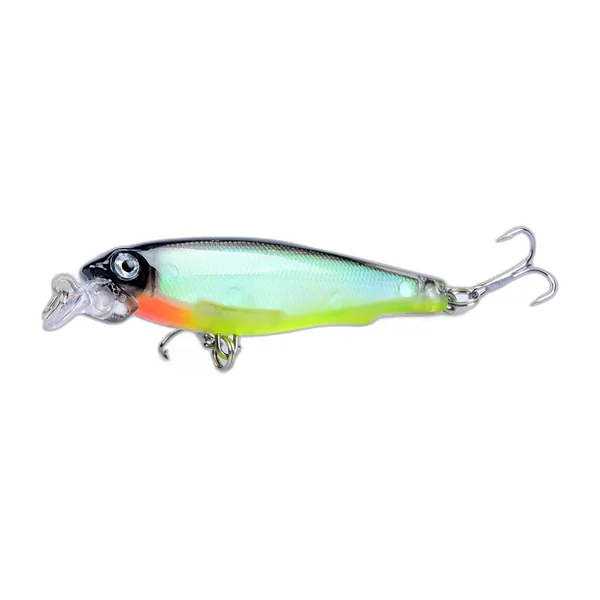 Laser-Finish VIB Lures 8 cm, Pack of 5
Suited to: European perch, Brown trout, Rainbow trout.
€25.90£12.90Not shipped to the United States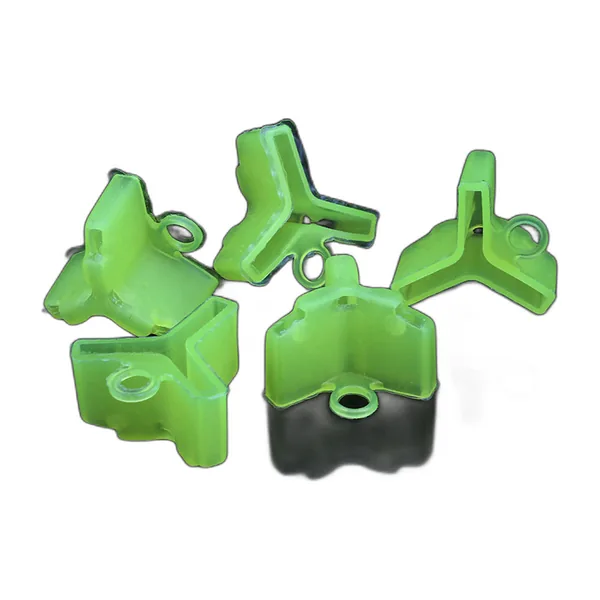 Treble Hook Covers, Pack of 150
Suited to: Northern pike, European perch, Brown trout, Rainbow trout.
€26.90£12.90Not shipped to the United States Double-Sided Lure Box (L)
Suited to: Northern pike, European perch, Brown trout, Rainbow trout.
€34.90£19.90Not shipped to the United States
Two lures, two signals
An inline spinner has a blade that rotates around a shaft, sending vibrations that fish sense with their lateral line. A spoon is a curved metal blade that wobbles and flashes. They are among the oldest and most effective lures: trout, perch, pike, salmon, char, chub and asp all fall for them.
Tackle
A light spinning rod for trout and perch, a medium one for pike or salmon; a reel with a smooth drag; mono or thin braid; a ball-bearing swivel, essential with spinners to prevent line twist; and a wire trace where pike live. Pliers let you crush barbs and unhook quickly.
Choosing the right lure
On small creeks, a size 0-2 spinner is enough. On bigger or deeper rivers, go up in size and weight. For pike, size 4-5 spinners and 15-30 g spoons cover most situations. A spoon cast far and retrieved fast is a classic for salmon and, in Europe, asp. The rule: just heavy enough to reach the depth you want without scraping bottom. In North America, trolled spoons are a staple for lake trout.
Retrieve
On rivers, cast across or slightly upstream and retrieve just fast enough for the blade to spin. In cold water, slow down and fish deeper; in warm water, speed up. Short pauses and changes of pace often trigger following fish, which polarised glasses help you see.
Hooks and release
DuBois and Dubielzig (2004) compared mortality, trauma and capture efficiency by hook type in wild stream trout caught on spinners. Schill and Scarpella (1997) analysed barbless-hook rules in catch-and-release trout fisheries and concluded their justification is largely social. In practice, a single hook with the barb crushed makes quick unhooking and clean release easier, and it is required on many waters.
Rules
Some countries ban lures during the pike close season, and some waters are fly-only. Check the regulation page before you go, along with size limits for your target species.
Getting started
For trout and perch, an ultralight rod of about 2-10 g, 4-6 lb line and a handful of size 0-2 spinners is ideal. For pike, step up to a medium rod, a wire trace and larger spoons.
The gear, item by item
- Light (trout, perch) to medium (pike, salmon) spinning rod
- Spinning reel with a smooth drag
- Mono or thin braid
- Ball-bearing swivel to prevent line twist, essential with spinners
- Inline spinners size 0-5, spoons 5-30 g
- Wire trace where pike are present
- Pliers to crush barbs and unhook
- Rubber-mesh net
- Polarised glasses to spot followers
Step by step
- Choose size and weight for depth, flow and species.
- Cast across or slightly upstream on rivers.
- Let it sink if needed, then retrieve just fast enough for the blade to spin or the spoon to wobble.
- Vary speed and depth; add pauses.
- Strike on the take, keep the rod up and the line tight.
- Unhook quickly; single barbless hooks help.
Common mistakes
- No swivel, so the line twists.
- A spoon too heavy that scrapes bottom.
- Retrieving too fast in cold water.
- Barbed trebles on fish you intend to release.
- Always fishing the same depth.
Rules to check before you go
- Lure bans during pike close seasons in some countries.
- Single barbless hook rules on many trout and salmon waters.
- Fly-only waters where spinning is banned.
- Size and bag limits.
Fishing regulations by country
Studies cited
- DuBois & Dubielzig (2004) Effect of Hook Type on Mortality, Trauma, and Capture Efficiency of Wild Stream Trout Caught by Angling with Spinners North American Journal of Fisheries Management doi:10.1577/m02-171.1
Compares mortality, trauma and capture efficiency by hook type (single, treble) for wild stream trout caught on spinners. - Schill & Scarpella (1997) Barbed Hook Restrictions in Catch-and-Release Trout Fisheries: A Social Issue North American Journal of Fisheries Management doi:10.1577/1548-8675(1997)017<0873:bhrica>2.3.co;2
Analyses barbless-hook restrictions in catch-and-release trout fisheries, concluding they are largely a social issue.