Atlantic salmon
Salmo salar
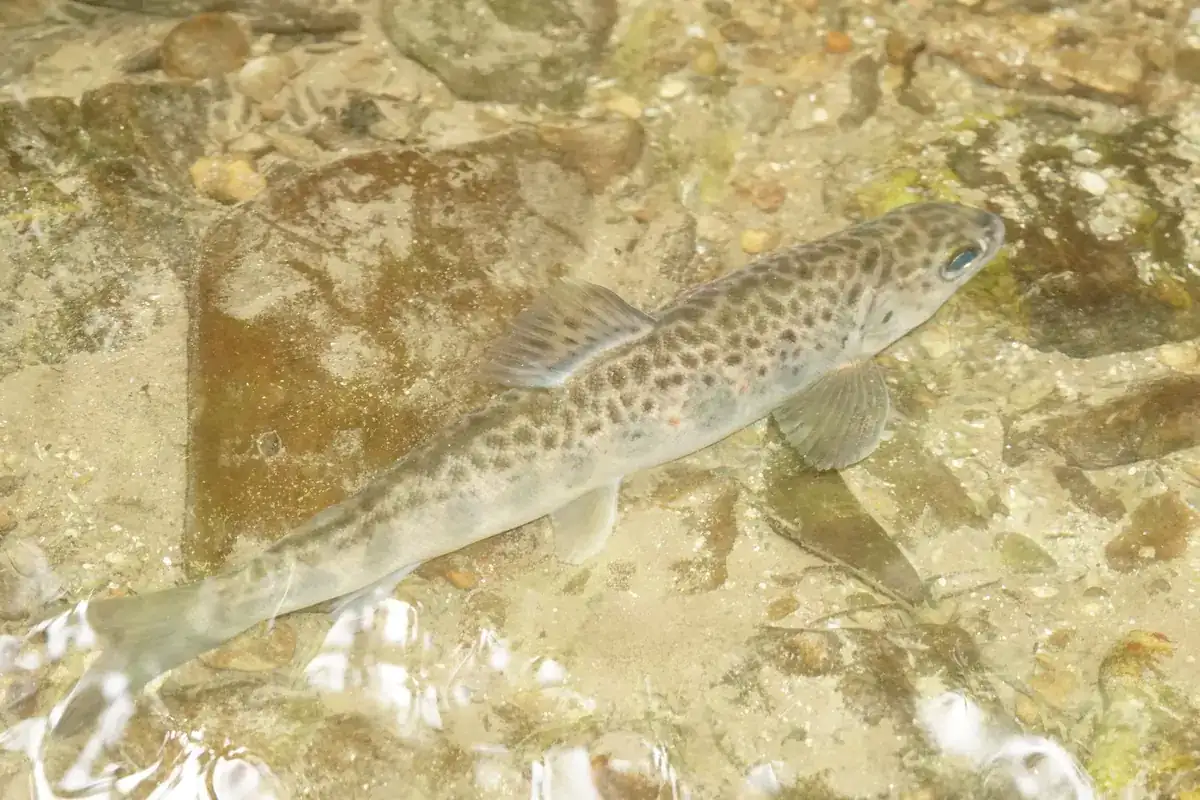

Near Threatened (IUCN); tightly regulated with quotas, tagging, mandatory release or outright closures on many rivers.
season calendar
Closed months recorded (share of areas closing the species that month) — 7 areas.
Related gear
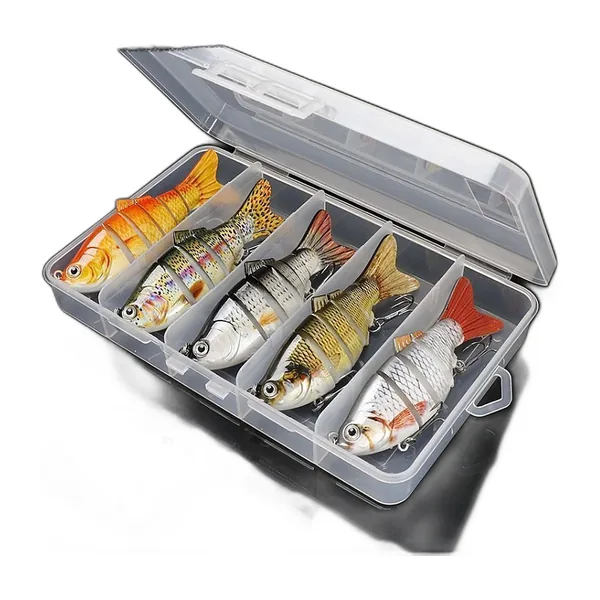 10 cm Hard Lures, Pack of 5 with Box
For : northern pike, zander, walleye · crankbait and hard-lure fishing
€30.90£16.90Not shipped to the United States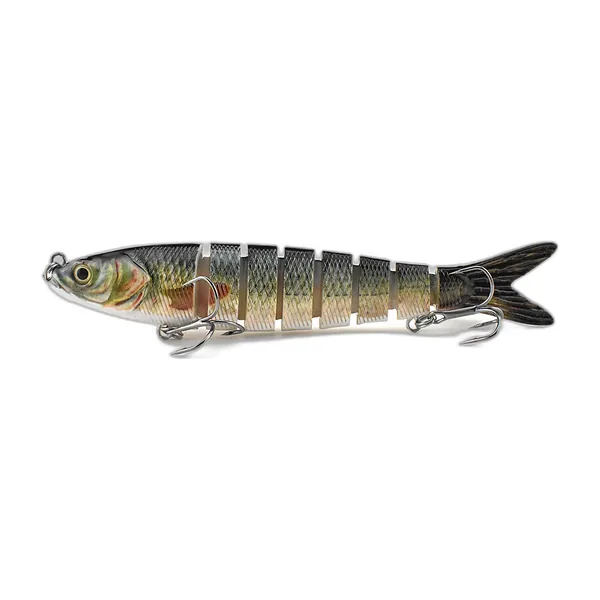 Hard Swimbaits 13.3 cm, Pack of 3
For : northern pike, zander, walleye · crankbait and hard-lure fishing
€29.90£15.90Not shipped to the United States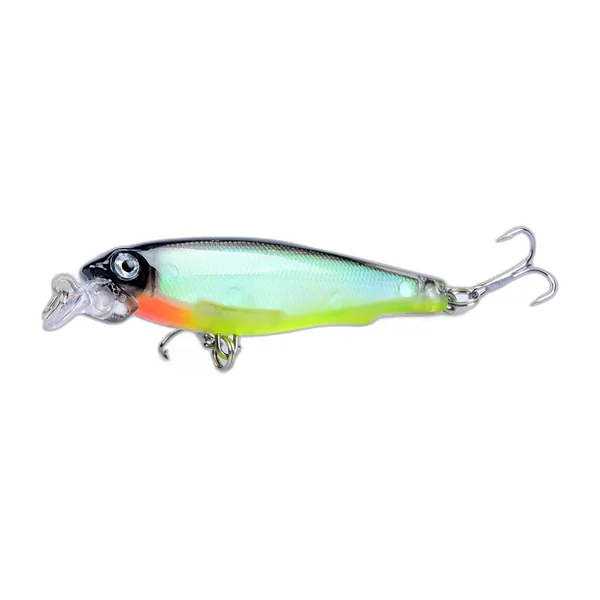 Laser-Finish VIB Lures 8 cm, Pack of 5
For : european perch, zander, walleye · crankbait and hard-lure fishing
€25.90£12.90Not shipped to the United States
A migrant between river and ocean
Atlantic salmon hatch in rivers, spend 1-6 years in fresh water, go to sea for 1-4 years and return to spawn in their home river (FishBase). Parr live in fast riffles over coarse gravel. At sea, adults eat squid, shrimp and fish. Back in fresh water they essentially stop feeding, which is the paradox of salmon angling: you trigger a reflex strike rather than a feeding response.
FishBase notes that salmon need rivers where the water rises above 10 °C (50 °F) for about three months a year and does not exceed 20 °C (68 °F) for more than a few weeks in summer. Warming rivers are a direct threat.
A Near Threatened species
The IUCN lists Atlantic salmon as Near Threatened, according to the Red List status reported by FishBase, and many stocks depend on stocking. That is why fishing is tightly regulated: short seasons, river-specific quotas, carcass tags, catch returns, mandatory release on some rivers and closures on others. In Scotland, the Conservation of Salmon (Scotland) Regulations 2016 require the conservation status of salmon to be assessed, and on the inland waters listed in the regulations every salmon caught must be returned; in Ireland, Inland Fisheries Ireland lists rivers open for harvest, rivers open for catch-and-release only, and closed rivers. In the United States, the Gulf of Maine population is listed as endangered, so check state rules carefully. In Canada, provinces set seasons and retention rules. Always check the regulation page for your river.
Sizes
The maximum published is 150 cm (59 in) and 46.8 kg (103 lb), with a maximum age of 13 years, but most individuals live 4-6 years (FishBase). Anglers distinguish grilse, which return after one winter at sea, from heavier multi-sea-winter spring fish.
Methods
Fly fishing, single- or double-handed, dominates on most rivers. Spoons, Devons and minnow plugs are still allowed on many beats. Runs often follow spates: the best days are on a dropping, cool river. In low, warm water, fish at dawn and in the evening.
Releasing salmon
Gargan and colleagues (2015) tracked survival of wild salmon released in three Irish rivers; Havn and colleagues (2015) studied survival after release at high water temperatures; Jensen and colleagues (2010) asked whether catch-and-release alters migration. Use a knotless net, never a gaff, keep the fish in the water facing the current, and stop fishing when the water is too warm.
Lures and baits
- Salmon flies (tubes, classic patterns)
- Devons, spoons and spinners
- Minnow plugs
- Shrimp or worm where still permitted
Catch and release
- Knotless net, never a gaff.
- Keep the fish in the water; quick photo, support it facing the current.
- Avoid fishing in very warm water.
- Report catches, including released fish, where required.
Frequently asked questions
What is the best bait or lure for salmon?
For Atlantic salmon, salmon flies, spoons, spinners, Devons and minnow plugs are the classic choices; natural baits such as shrimp or worm are banned on many rivers. For Great Lakes coho, Indiana DNR recommends shallow body baits, small trolling spoons and orange dodgers with flies.
Because returning Atlantic salmon barely feed in fresh water (FishBase), lures must provoke a reflex strike rather than imitate food. Classic options are salmon flies on tubes or hooks, spoons and spinners, Devons and minnow plugs; natural baits such as shrimp and worm are increasingly restricted. In Ireland, catch-and-release rivers and periods require single or double barbless hooks and ban worms in spring under the 2026 rules; Galicia's 2026 rules ban natural bait in salmon waters. In Lake Michigan, Indiana DNR's coho guide lists shallow-running body baits such as thin minnows in bright colours (orange, firetiger, pink, chrome/blue), small trolling spoons behind lead-core lines, divers or downriggers, and, once water passes 40 °F, 6-inch orange dodgers with flies. Size and colour depend on water height and clarity, and every water's rules on hooks and baits take priority.
Official sources : FishBase – Salmo salar (Atlantic salmon) ; Inland Fisheries Ireland – salmon fishing regulations 2026 ; Xunta de Galicia – inland fishing rules 2026 ; Indiana DNR – Spring trolling for coho salmon in Indiana
When is the best time to fish for salmon?
It depends on the river and species. Atlantic salmon runs follow spates, with multi-sea-winter fish often in spring and grilse in summer; Chinook generally return in summer or early fall (NOAA); Lake Michigan coho are trolled from February to May and run up streams in September and October. Legal seasons vary by water.
Fish timing: Atlantic salmon runs depend on the river, with larger multi-sea-winter fish often entering in spring and smaller one-sea-winter grilse in summer, and fish moving upstream with spates; FishBase notes the species needs rivers that do not exceed 20 °C for more than a few weeks. NOAA says Chinook salmon return to their natal rivers to spawn generally in summer or early fall. In Lake Michigan, Indiana DNR reports that coho are trolled from February to May, with the best action in late March and April, and that the peak spawning run up streams happens in September and October. Legal timing: Ireland's 2026 rules allow only one fish from 3 April to 31 May on harvest rivers and require release from 1 September; England requires release of all salmon before 16 June; France's salmon fishing is closed in 2025 and 2026. Havn and colleagues found that catch-and-release in high water temperatures affects salmon behaviour and survival, so avoid fishing in very warm water.
Official sources : FishBase – Salmo salar (Atlantic salmon) ; NOAA Fisheries – Chinook salmon ; Indiana DNR – Spring trolling for coho salmon in Indiana ; Inland Fisheries Ireland – salmon fishing regulations 2026 ; Environment Agency – national salmon and sea trout byelaws ; Génération Pêche (FNPF) – migratory salmonid fishing (salmon closed in 2025 and 2026) ; Havn et al. 2015 – catch-and-release angling at high water temperatures, Atlantic salmon, Journal of Fish Biology
Where can you fish for salmon?
Atlantic salmon are fished in North Atlantic rivers of Europe, eastern Canada and the north-eastern US, only where stocks allow; Ireland publishes rivers open, catch-and-release or closed each year, and France is closed in 2025-2026. Pacific salmon are fished on the West Coast, Alaska and, as stocked fish, the Great Lakes.
FishBase places Atlantic salmon in North Atlantic rivers: western and northern Europe, eastern Canada and the north-eastern United States. As a Near Threatened species it is only fished where stocks allow. Inland Fisheries Ireland lists rivers each year: open for harvest in 2026 (such as the Moy, Corrib, Laune, Caragh and Drowes), catch-and-release only (Slaney, Nore, Suir, Feale) and closed (Liffey, Boyne). Quebec requires a separate salmon licence and allows at most four fish kept a year. In Spain, Asturias and Cantabria set a 45 cm minimum while Galicia closed salmon in 2026. France has closed salmon fishing in 2025 and 2026, keeping sea trout open in five north-western departments. Pacific salmon such as Chinook and coho are native to the North Pacific, including the US West Coast and Alaska, and were introduced to the Great Lakes, where Lake Michigan's salmon are sustained by stocking and wild reproduction. Use local agency pages to find open waters near you.
Official sources : FishBase – Salmo salar (Atlantic salmon) ; Inland Fisheries Ireland – salmon fishing regulations 2026 ; Gouvernement du Québec – sport fishing licences (Atlantic salmon) ; BOPA – Asturias fishing rules 2026 (salmon minimum size) ; BOC – Cantabria fishing order 2026 (salmon minimum size) ; Xunta de Galicia – inland fishing rules 2026 ; Génération Pêche (FNPF) – migratory salmonid fishing (salmon closed in 2025 and 2026) ; FishBase – Oncorhynchus tshawytscha (Chinook salmon) ; FishBase – Oncorhynchus kisutch (coho salmon) ; Great Lakes Fishery Commission – Lake Michigan predator/prey ratio summary (2025)
What do salmon eat?
Young salmon in rivers eat insects and small crustaceans; at sea they eat fish, squid and shrimp. According to FishBase, adult Atlantic salmon essentially stop feeding once they return to fresh water to spawn. Pacific salmon follow a similar pattern, and Great Lakes coho feed on alewives, gobies and insects.
FishBase describes the diet of Atlantic salmon by life stage: juveniles in rivers eat aquatic insects, molluscs, crustaceans and fish, and adults at sea eat squid, shrimp and fish; returning adults essentially stop feeding in fresh water, which is why anglers' flies and lures trigger reflex strikes rather than feeding. For Pacific species, FishBase says Chinook salmon feed mainly on terrestrial insects and small crustaceans in streams and on fishes, crustaceans and other invertebrates at sea, and NOAA adds that older Chinook primarily eat other fish. Coho in the sea eat planktonic crustaceans, then larger prey such as jellyfish, squid and fish. In Lake Michigan, Indiana DNR reports that stocked coho eat young alewives, shiners and round gobies, aquatic invertebrates such as water fleas, midge larvae and freshwater shrimp, and terrestrial insects blown onto the lake in spring and summer.
Official sources : FishBase – Salmo salar (Atlantic salmon) ; FishBase – Oncorhynchus tshawytscha (Chinook salmon) ; FishBase – Oncorhynchus kisutch (coho salmon) ; NOAA Fisheries – Chinook salmon ; Indiana DNR – Spring trolling for coho salmon in Indiana
How do you catch salmon?
Check first that salmon fishing is open and licensed where you are, then fish when fresh fish are running, usually after spates. In rivers, fly fishing dominates for Atlantic salmon, with spoons, spinners and plugs allowed on many waters; on the Great Lakes, coho and Chinook are mostly trolled.
Regulation comes before technique: Atlantic salmon fishing is closed throughout France in 2025 and 2026 according to the national federation, Ireland requires a state licence (€100 a year in 2026) with tags and mandatory release from 1 September on open rivers, England requires release of all salmon before 16 June, and Quebec needs a separate salmon licence with at most four fish kept per year. Atlantic salmon spend 1 to 6 years in rivers and 1 to 4 at sea, then return to spawn and stop feeding (FishBase), so takes are reflex strikes. Single- or double-handed fly fishing dominates on most rivers, while spoons, spinners, Devons and minnow plugs remain allowed on many beats; runs follow spates. In Lake Michigan, Indiana DNR describes trolling for coho with planer boards, divers, dodgers, body baits and small spoons in the top 15 feet in spring. For release, keep the fish in the water and avoid fishing in very warm water.
Official sources : Génération Pêche (FNPF) – migratory salmonid fishing (salmon closed in 2025 and 2026) ; Inland Fisheries Ireland – 2026 annual salmon rod licence ; Inland Fisheries Ireland – salmon fishing regulations 2026 ; Environment Agency – national salmon and sea trout byelaws ; Gouvernement du Québec – sport fishing licences (Atlantic salmon) ; FishBase – Salmo salar (Atlantic salmon) ; Indiana DNR – Spring trolling for coho salmon in Indiana ; Havn et al. 2015 – catch-and-release angling at high water temperatures, Atlantic salmon, Journal of Fish Biology ; Gargan et al. 2015 – survival of wild Atlantic salmon after catch and release in three Irish rivers, Fisheries Research
How big do salmon get?
FishBase gives a maximum of 150 cm and 46.8 kg (about 103 lb) for Atlantic salmon, and 150 cm and 61.4 kg for Chinook, the largest Pacific salmon. NOAA says mature Chinook typically measure about 3 feet and 30 pounds; coho reach at most 108 cm and 15.2 kg.
Atlantic salmon: FishBase lists a maximum published length of 150 cm (59 in) and weight of 46.8 kg (103 lb), with a maximum age of 13 years; most individuals live 4 to 6 years, and its common length of 38 cm includes juveniles rather than returning adults. Adult size mainly depends on time at sea (1 to 4 years): one-sea-winter grilse are smaller than multi-sea-winter fish. Chinook (king) salmon: FishBase gives a maximum of 150 cm and 61.4 kg with a common length of 70 cm, and NOAA says Chinook can grow up to 4.9 feet and 129 pounds, though typical mature fish are about 3 feet and 30 pounds. Coho salmon: FishBase lists 108 cm and 15.2 kg as maxima, with a common length of 71 cm for males. In Lake Michigan, Indiana DNR notes immature coho of 1 to 2 pounds remaining in the lake in autumn. The Atlantic species is classed Near Threatened.
Official sources : FishBase – Salmo salar (Atlantic salmon) ; FishBase – Oncorhynchus tshawytscha (Chinook salmon) ; NOAA Fisheries – Chinook salmon ; FishBase – Oncorhynchus kisutch (coho salmon) ; Indiana DNR – Spring trolling for coho salmon in Indiana
What size salmon can you keep?
There is no single rule. In 2026, Asturias and Cantabria set a 45 cm minimum, Schleswig-Holstein and Bremen 60 cm, and Ireland requires every kept salmon to be tagged under quotas; England and Wales require release of many or all salmon. In the US and Canada, limits vary by state, province and water.
Minimum sizes and quotas are set locally. Examples from 2026 regulations: Asturias and Cantabria (Spain) 45 cm; Schleswig-Holstein and Bremen (Germany) 60 cm, where salmon is in any case strongly protected; Ireland has no general minimum size but every salmon kept must carry a blue tag, the annual bag on harvest rivers is seven fish with only one from 3 April to 31 May, and release is compulsory from 1 September. In England all salmon must be released before 16 June and all season on rivers classed 'at risk'; in Wales every salmon must be released. Quebec limits anglers to four salmon a year across all licences. France has closed salmon fishing in 2025 and 2026, and Galicia in 2026. In North America, Pacific salmon limits for rivers and the Great Lakes are set by each state or province; Indiana's guide, for example, mentions a Lake Michigan limit of five trout and salmon combined in 2017, so check the current state rules.
Official sources : BOPA – Asturias fishing rules 2026 (salmon minimum size) ; BOC – Cantabria fishing order 2026 (salmon minimum size) ; Schleswig-Holstein – inland fishing ordinance (BiFVO), minimum sizes ; Inland Fisheries Ireland – salmon fishing regulations 2026 ; Environment Agency – national salmon and sea trout byelaws ; Natural Resources Wales – salmon open seasons and method restrictions ; Gouvernement du Québec – sport fishing licences (Atlantic salmon) ; Génération Pêche (FNPF) – migratory salmonid fishing (salmon closed in 2025 and 2026) ; Xunta de Galicia – inland fishing rules 2026 ; Indiana DNR – Spring trolling for coho salmon in Indiana
What is the best lure for salmon beach fishing?
Official sources we reviewed do not publish lure advice for salmon fishing from beaches. Spoons, spinners and minnow plugs are the classic salmon lures (FishBase-based species data), and Lake Michigan agencies describe pier and shore coho fishing. Check first whether salmon may be targeted from that shore.
We did not find an official agency page giving specific lure recommendations for salmon fishing from ocean or lake beaches, so this answer stays general. Pescatlas' species data list the standard salmon lures as Devons, spoons and spinners, minnow plugs and flies, and note that returning salmon strike by reflex rather than feeding. Indiana DNR describes coho in Lake Michigan as popular with boat, pier and stream anglers, and its trolling guide favours bright colours such as orange, chartreuse and pink, fished in the top 15 feet of water in spring. Whether salmon may be targeted from a beach, and with which hooks, is set by local rules: in Ireland salmon and sea trout over 40 cm need a state licence and tags, and in England and Wales the rod licence is required to fish for salmon and sea trout. Ask the local fisheries agency about shore seasons before fishing.
Official sources : FishBase – Salmo salar (Atlantic salmon) ; Indiana DNR – Spring trolling for coho salmon in Indiana ; Inland Fisheries Ireland – 2026 annual salmon rod licence ; GOV.UK – rod fishing licence: when you need a licence
How big do salmon get in Lake Michigan?
We found no official Lake Michigan size figures. FishBase gives Chinook a maximum of 150 cm and 61.4 kg and coho 108 cm and 15.2 kg as species maxima, and Indiana DNR notes immature coho of 1 to 2 pounds staying in the lake in autumn. Both species were introduced and are stocked.
Lake Michigan's salmon are non-native Chinook and coho sustained by stocking and wild reproduction, according to the Great Lakes Fishery Commission, which also notes that Chinook numbers are managed against alewife abundance. Indiana DNR says coho were introduced to Lake Michigan in the late 1960s, spend one or two summers in the lake and return to their stocking streams as two-year-old 'jacks' or mature three-year-olds, while immature fish of 1 to 2 pounds remain offshore in autumn. We did not find an official page giving typical or record sizes of Lake Michigan salmon, so we only cite species-wide figures: FishBase lists Chinook at up to 150 cm and 61.4 kg, and coho at up to 108 cm and 15.2 kg; NOAA says typical mature Chinook in their native range are about 3 feet and 30 pounds. State agencies around the lake publish creel and size data.
Official sources : Great Lakes Fishery Commission – Lake Michigan predator/prey ratio summary (2025) ; Indiana DNR – Spring trolling for coho salmon in Indiana ; FishBase – Oncorhynchus tshawytscha (Chinook salmon) ; FishBase – Oncorhynchus kisutch (coho salmon) ; NOAA Fisheries – Chinook salmon
Minimum size for Atlantic salmon by area
France : 25 cm (1)
| Indre-et-Loire | 25 cm |
Germany : 60 cm (2)
Spain : 45 cm (2)
United Kingdom : 25.4 cm (1)
| Northern Ireland | 25.4 cm |
United States : 35.6–38.1 cm (3)
| Maine | 35.6 cm |
| Massachusetts | 38.1 cm |
| New Hampshire | 38.1 cm |
Canada : 35 cm (1)
Studies cited
- Gargan et al. (2015) Survival of wild Atlantic salmon (Salmo salar) after catch and release angling in three Irish rivers Fisheries Research doi:10.1016/j.fishres.2014.08.005
Tracks the survival of wild Atlantic salmon after catch-and-release in three Irish rivers. - Havn et al. (2015) The effect of catch‐and‐release angling at high water temperatures on behaviour and survival of Atlantic salmon Salmo salar during spawning migration Journal of Fish Biology doi:10.1111/jfb.12722
Examines behaviour and survival of Atlantic salmon released at high water temperatures during their upstream migration: a case for pausing in warm water. - Jensen et al. (2010) Does catch-and-release angling alter the migratory behaviour of Atlantic salmon? Fisheries Research doi:10.1016/j.fishres.2010.08.013
Asks whether catch-and-release alters the migratory behaviour of Atlantic salmon.
Official sources
- FishBase – Salmo salar (fiche espèce ; statut IUCN Red List 2025-2 repris par FishBase) (accessed on 23 September 2026)
- Landesfischereiverordnung Baden-Württemberg (Stand 2022) – ganzjährige Schonzeit u. a. für Lachs (accessed on 23 September 2026)
- The Conservation of Salmon (Scotland) Regulations 2016 (SSI 2016/115), reg. 2 et 3 (accessed on 23 September 2026)
- Inland Fisheries Ireland – Salmon fishing regulations 2026 (rivières ouvertes, en catch-and-release ou fermées) (accessed on 23 September 2026)
- Uitvoeringsregeling visserij, art. 5c (gesloten tijden : o.a. zalm, meerval, kwabaal, beekforel het hele jaar) (accessed on 23 September 2026)
- Vlaamse overheid – Visverlof (verplicht voor recreatief vissen op de openbare binnenwateren van het Vlaamse Gewest) (accessed on 23 September 2026)
- ICNF – Licenças de pesca lúdica e desportiva em águas interiores (licença geral obrigatória, exceto parques de pesca) (accessed on 23 September 2026)