Fishing regulations in the United States
50 pages (State). Each one covers the licence and its price, the season calendar, minimum sizes, bag limits and official sources.
| Area | Licence | Next opening | Last checked |
|---|---|---|---|
| Alabama | US$75.42 | — | 23 September 2026 |
| Alaska | US$100 | — | 23 September 2026 |
| Arizona | US$160 | — | 23 September 2026 |
| Arkansas | US$60 | — | 23 September 2026 |
| California | US$174.14 | — | 23 September 2026 |
| Colorado | US$124.01 | — | 23 September 2026 |
| Connecticut | US$63 | — | 23 September 2026 |
| Delaware | US$40 | — | 23 September 2026 |
| Florida | US$79 | — | 23 September 2026 |
| Georgia | US$400 | — | 23 September 2026 |
| Hawaiʻi | US$25 | Rainbow trout (Kōkeʻe Public Fishing Area, Kauaʻi — only trout water), 30 Sept 2026 | 23 September 2026 |
| Idaho | US$320.50 | — | 23 September 2026 |
| Illinois | US$44 | — | 23 September 2026 |
| Indiana | US$60 | — | 23 September 2026 |
| Iowa | US$62 | — | 23 September 2026 |
| Kansas | US$500 | — | 23 September 2026 |
| Kentucky | US$58.14 | — | 23 September 2026 |
| Louisiana | US$68 | — | 23 September 2026 |
| Maine | US$212 | — | 23 September 2026 |
| Maryland | US$55 | — | 23 September 2026 |
| Massachusetts | US$50 | — | 23 September 2026 |
| Michigan | US$76 | — | 23 September 2026 |
| Minnesota | US$71 | — | 23 September 2026 |
| Mississippi | US$68 | — | 23 September 2026 |
| Missouri | US$57 | — | 23 September 2026 |
| Montana | US$117.50 | — | 23 September 2026 |
| Nebraska | US$375 | — | 23 September 2026 |
| Nevada | US$80 | — | 23 September 2026 |
| New Hampshire | US$63 | — | 23 September 2026 |
| New Jersey | US$72.25 | — | 23 September 2026 |
| New Mexico | US$90 | — | 23 September 2026 |
| New York | US$50 | — | 23 September 2026 |
| North Carolina | US$56 | — | 23 September 2026 |
| North Dakota | US$108 | — | 23 September 2026 |
| Ohio | US$599.04 | — | 23 September 2026 |
| Oklahoma | US$375 | — | 23 September 2026 |
| Oregon | US$138 | — | 23 September 2026 |
| Pennsylvania | US$261.97 | — | 23 September 2026 |
| Rhode Island | US$41 | — | 23 September 2026 |
| South Carolina | US$105 | — | 23 September 2026 |
| South Dakota | US$80 | — | 23 September 2026 |
| Tennessee | US$165 | — | 23 September 2026 |
| Texas | US$68 | — | 23 September 2026 |
| Utah | US$120 | — | 23 September 2026 |
| Vermont | US$264 | — | 23 September 2026 |
| Virginia | US$72 | — | 23 September 2026 |
| Washington | US$170 | — | 23 September 2026 |
| West Virginia | US$552 | — | 23 September 2026 |
| Wisconsin | US$70 | — | 23 September 2026 |
| Wyoming | US$311 | — | 23 September 2026 |
Frequently asked questions
How do I get a fishing licence in the USA?
Buy it from the wildlife agency of the state where you will fish, usually online, by phone or from a licence vendor; there is no national freshwater licence. Most states require anglers aged 16 or older to hold one and sell cheaper short-term licences to non-residents.
Recreational freshwater fishing licences in the United States are issued by each state's fish and wildlife agency, which sets its own prices, age rules, stamps and seasons. Examples for 2026: California's resident 365-day sport licence costs $64.54 and non-residents pay $174.14 a year or $64.54 for ten days; Texas sells a resident freshwater package for $30 and a non-resident one-day all-water licence for $16; Florida's resident annual freshwater licence is $17 and non-residents can buy 3-day ($17) or 7-day ($30) licences; Minnesota sells 24-hour ($14), 72-hour ($36) and 7-day ($43) non-resident licences. Many states add stamps for particular fish, such as Pennsylvania's trout permit or Wisconsin's inland trout and Great Lakes salmon stamps. Licences are generally sold online on the agency's site, by phone and through sporting-goods stores. Check the state regulations for the specific water, which may add special rules.
Official sources : California Department of Fish and Wildlife – sport fishing licence fees 2026 ; Texas Parks and Wildlife – fishing licences and packages ; Florida freshwater fishing regulations – licences (FWC) ; Minnesota DNR – 2026 fishing regulations ; Pennsylvania Fish and Boat Commission – buy a fishing licence ; Wisconsin fishing regulations – licences and fees (DNR)
How much is a fishing licence in the USA?
It depends on the state. Resident annual freshwater licences in 2026 range from about $10 to $65 (for example $17 in Florida, $25 in New York and Minnesota, $64.54 in California), while non-residents pay more, such as $50 a year in New York or $174.14 in California. Short licences start around $10 a day.
Each state sets its own fees. Resident annual examples for 2026: Florida $17, Alaska $20, Wisconsin $20, New York $25, Minnesota $25, Michigan $26, Pennsylvania $27.97, Texas $30 (freshwater package), Washington $39.95, Colorado $44.87, Oregon $50 and California $64.54. Non-resident prices: New York $50 a year, $28 for 7 days and $10 for one day; Michigan $76 a year or $10 for 24 hours; Wisconsin $55 a year, $15 for one day; Minnesota $51 a year, $14 for 24 hours; Pennsylvania $60.97 a year or $31.97 for a 3-day tourist licence; Alaska $100 a year or $15 for one day; Colorado $124.01 a year or $21.90 for one day; Washington $115.85 for annual freshwater; Oregon $138; California $174.14 a year or $64.54 for ten days; Texas $58 for a non-resident freshwater package. Many states add stamps (trout, salmon, habitat) at extra cost.
Official sources : Florida freshwater fishing regulations – licences (FWC) ; Alaska Department of Fish and Game – licence prices ; Wisconsin fishing regulations – licences and fees (DNR) ; New York DEC – fishing licence ; Minnesota DNR – 2026 fishing regulations ; Michigan DNR – 2026 fishing licences now available ; Pennsylvania Fish and Boat Commission – buy a fishing licence ; Texas Parks and Wildlife – fishing licences and packages ; Washington WDFW – fishing licence types and fees ; Colorado Parks and Wildlife – fishing licences and dates ; Oregon ODFW – licensing information ; California Department of Fish and Wildlife – sport fishing licence fees 2026
At what age do you need a fishing licence in the USA?
Usually from age 16, but it varies by state: 16 in California, Florida, New York, Minnesota, Pennsylvania, Washington and Wisconsin; 17 in Texas and Michigan; 18 for Alaska residents; and in Oregon 12 to 17-year-olds need a $10 youth licence. Many states also exempt or discount seniors.
State agencies publish these 2026 age rules. California: a licence is required from 16 (under-16s still need some report cards). Texas: everyone under 17 is exempt, residents or not. Florida: no licence for children under 16, and Florida residents 65 or older are exempt with proof. Michigan: all anglers 17 and older need a licence. Minnesota: residents under 16 or aged 90 and over need none; non-residents under 16 are exempt if a parent or guardian is licensed. New York: a licence is needed from 16. Alaska: required for residents 18 and older and non-residents 16 and older; Alaska residents 60 or older fish without a licence but need a free identification card. Washington: 15 and younger exempt. Oregon: under 12 exempt, 12 to 17 need a $10 youth licence, 18 and over a full licence. Wisconsin: 15 and under exempt. Pennsylvania: required from 16, with reduced senior licences at 65.
Official sources : California Department of Fish and Wildlife – sport fishing licence fees 2026 ; Texas Parks and Wildlife – licence FAQs ; Florida freshwater fishing regulations – licences (FWC) ; Michigan DNR – 2026 fishing licences now available ; Minnesota DNR – 2026 fishing regulations ; New York DEC – fishing licence ; Alaska Department of Fish and Game – sport fishing licences ; Washington WDFW – fishing licence types and fees ; Oregon ODFW – licensing information ; Wisconsin fishing regulations – licences and fees (DNR) ; Pennsylvania Fish and Boat Commission – buy a fishing licence
Where is the best fishing in the USA?
No federal body ranks US fishing. State agencies publish where-to-fish tools and rules: Minnesota's walleye opener (9 May 2026), Florida's black bass lakes, Alaska's salmon rivers and the Great Lakes' stocked salmon and trout fisheries are among the fisheries their regulations describe.
There is no official national ranking, so the best approach is to pick a target species and use the state agency's regulations and maps. Examples from 2026 state regulations: Minnesota organises its season around a statewide walleye, sauger and pike opener on 9 May 2026, with three pike zones; Florida manages black bass with a 5-fish daily limit and only one fish of 16 inches or more; Alaska manages salmon, pike, rainbow trout and Arctic grayling with regional bag limits; Michigan has separate walleye and pike openers for the Lower and Upper Peninsulas; New York's Salmon River lists brown trout, steelhead, Chinook, coho and Atlantic salmon among its species. In Lake Michigan, the Great Lakes Fishery Commission describes a fishery for native lake trout plus non-native Chinook and coho salmon, rainbow and brown trout sustained by stocking and wild reproduction. Every state sells short non-resident licences, so trips can be planned around seasons.
Official sources : Minnesota DNR – 2026 fishing regulations ; Florida freshwater fishing regulations – licences (FWC) ; Alaska Department of Fish and Game – licence prices ; Michigan DNR – 2026 fishing licences now available ; New York State open data – DEC public fishing waters (Salmon River species) ; Great Lakes Fishery Commission – Lake Michigan predator/prey ratio summary (2025)
Where can you fish for salmon in the USA?
Pacific salmon are native to the West Coast and Alaska, where state agencies such as ADF&G and WDFW manage seasons. In the Great Lakes, Chinook and coho salmon were introduced and are stocked, for example in Lake Michigan and New York's Salmon River. Atlantic salmon are native to north-eastern rivers but heavily protected.
According to FishBase and NOAA, Chinook and coho salmon are native to the North Pacific and return to natal rivers of the West Coast and Alaska to spawn, with Chinook runs generally in summer or early fall; seasons and bag limits are set by state agencies such as the Alaska Department of Fish and Game and Washington's WDFW. In the Great Lakes, the Great Lakes Fishery Commission describes Lake Michigan's Chinook and coho salmon as non-native fish sustained by stocking and wild production; Indiana DNR says coho were introduced to Lake Michigan in the late 1960s and are fished from boats, piers and streams, with spring trolling from February to May off ports such as Michigan City and Portage. New York lists Chinook, coho and Atlantic salmon for its Salmon River. Atlantic salmon are native to north-eastern US rivers but the species is near threatened and tightly regulated. Always buy the state licence and any salmon stamp required.
Official sources : FishBase – Oncorhynchus tshawytscha (Chinook salmon) ; FishBase – Oncorhynchus kisutch (coho salmon) ; NOAA Fisheries – Chinook salmon ; Alaska Department of Fish and Game – licence prices ; Washington WDFW – fishing licence types and fees ; Great Lakes Fishery Commission – Lake Michigan predator/prey ratio summary (2025) ; Indiana DNR – Spring trolling for coho salmon in Indiana ; New York State open data – DEC public fishing waters (Salmon River species) ; FishBase – Salmo salar
Where are snakehead fish in the USA?
According to USGS, northern snakehead is established in Delaware, Virginia, Maryland, Pennsylvania, New York, New Jersey and Arkansas, notably in the Potomac River and its tributaries. Individual fish have been collected in California, Florida, Illinois, Massachusetts and North Carolina without established populations.
The USGS Nonindigenous Aquatic Species programme reports that the northern snakehead (Channa argus) is established in Delaware, Virginia, Maryland, Pennsylvania, New York, New Jersey and Arkansas, and not established in California, Florida, Illinois, Massachusetts and North Carolina, where a few individuals have been collected. It is well established in the Potomac River and several tributaries in Virginia and Maryland, while the original Crofton pond population in Maryland was eradicated. In Arkansas, an eradication attempt in the Little Piney Creek drainage in 2009 was followed by new records. The species tolerates low oxygen, breathes air, survives under ice and prefers shallow, vegetated, slow waters, and USGS notes high predicted habitat suitability in the northern US and the Great Lakes. It is listed by the US Fish and Wildlife Service as injurious wildlife, and USGS asks the public to report sightings through its nonindigenous species programme.
Official sources : USGS Nonindigenous Aquatic Species – Northern snakehead (Channa argus) fact sheet
Can you buy snakehead fish in the USA?
Not as live fish across state lines or from abroad: USGS notes that importing and transporting northern snakehead was banned by a 2002 listing under the Lacey Act as injurious wildlife. Possession and sale within a state depend on that state's law, which often prohibits live snakeheads.
The US Fish and Wildlife Service lists the northern snakehead as injurious wildlife, and USGS explains that importation and cross-border transport of the species were prohibited in the United States by a 2002 listing under the Lacey Act. USGS adds that snakeheads are nevertheless sometimes found for sale in areas where possession is illegal, and that accidental release during live-fish transport is a possible route of spread. The federal listing concerns importation and interstate transport; whether you may possess, buy or sell a snakehead, alive or dead, inside a given state is set by that state, and we have not reviewed each state's rules for this answer. The ecological reason for the restrictions is the species' ability to establish itself: it is already established in seven states according to USGS. Never release a live snakehead, and contact the state fish and wildlife agency before buying or keeping one.
Official sources : USGS Nonindigenous Aquatic Species – Northern snakehead (Channa argus) fact sheet
Species on this page
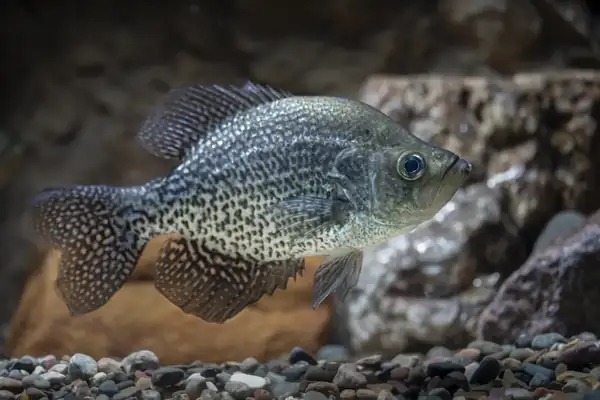 Black crappiePomoxis nigromaculatus
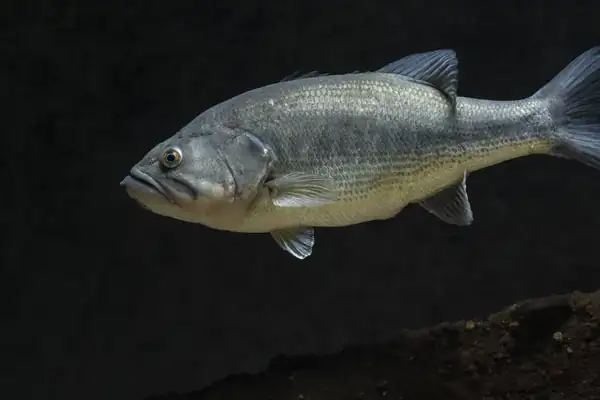 Largemouth bassMicropterus salmoides
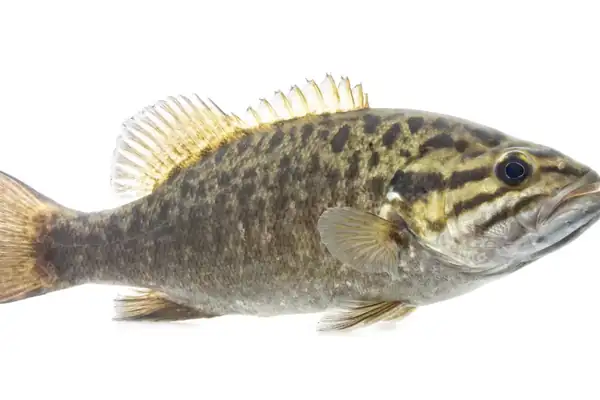 Smallmouth bassMicropterus dolomieu
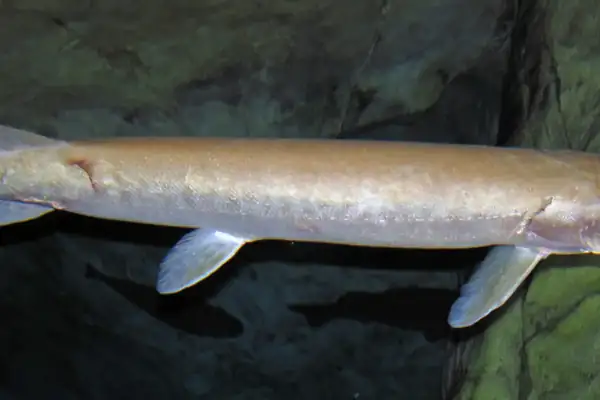 MuskellungeEsox masquinongy
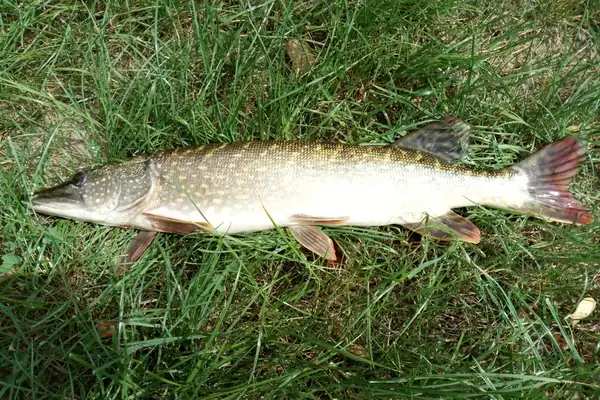 Northern pikeEsox lucius
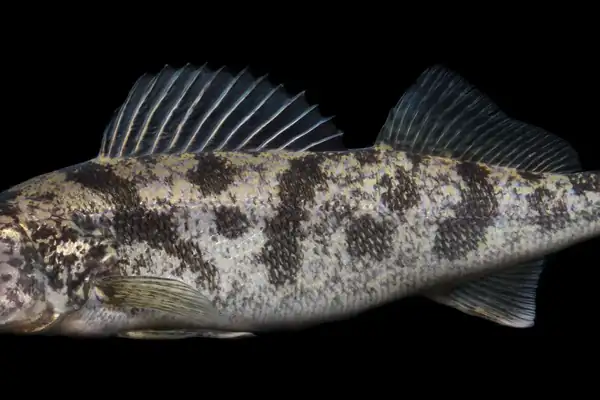 WalleyeSander vitreus
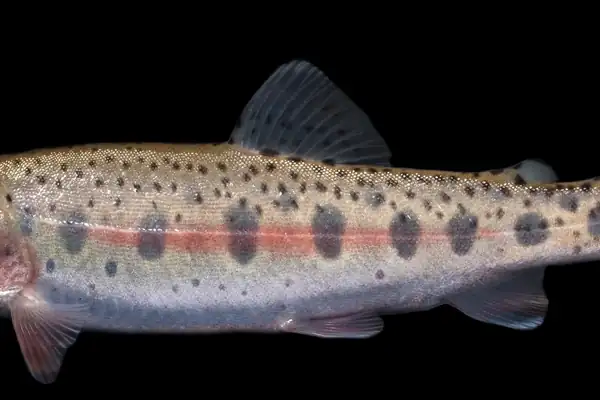 Rainbow troutOncorhynchus mykiss
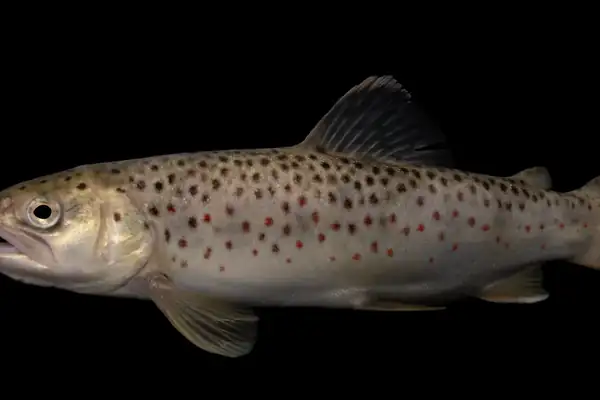 Brown troutSalmo trutta
Useful gear for this area
Chosen from the species and size limits regulated in this area.
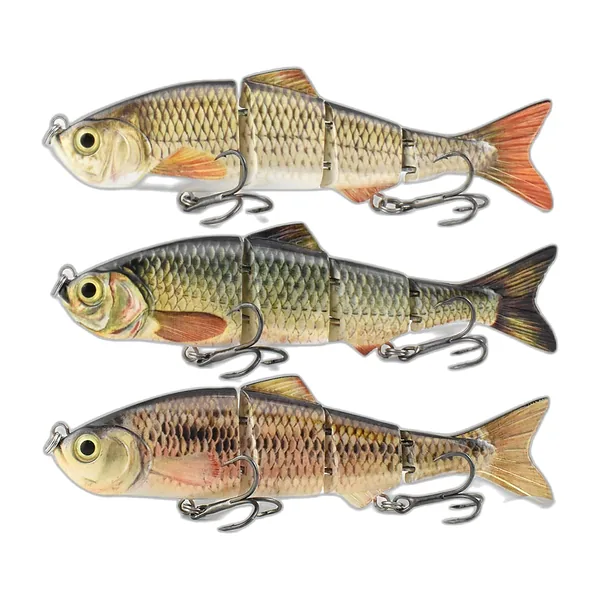 Jointed 4-Section Lure 12.5 cm, Sinking
Suited to: Northern pike, Walleye.
€28.90£15.90Not shipped to the United States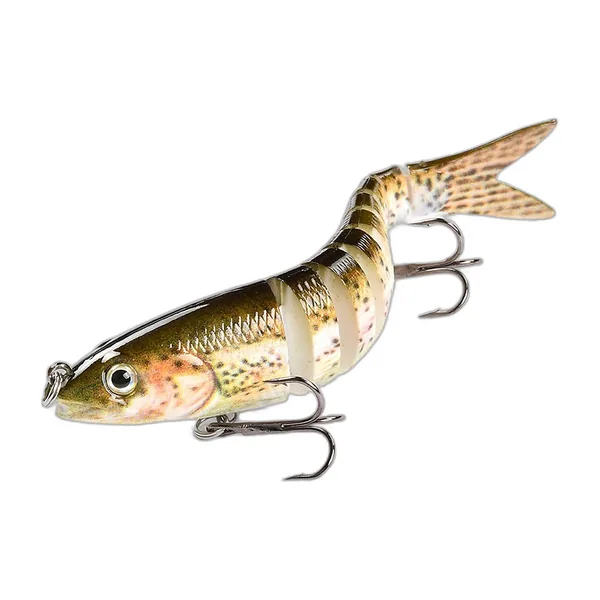 Jointed Loach Imitation Lures 10 cm, Pack of 5
Suited to: Northern pike, Walleye, Largemouth bass, Smallmouth bass.
€32.90£18.90Not shipped to the United States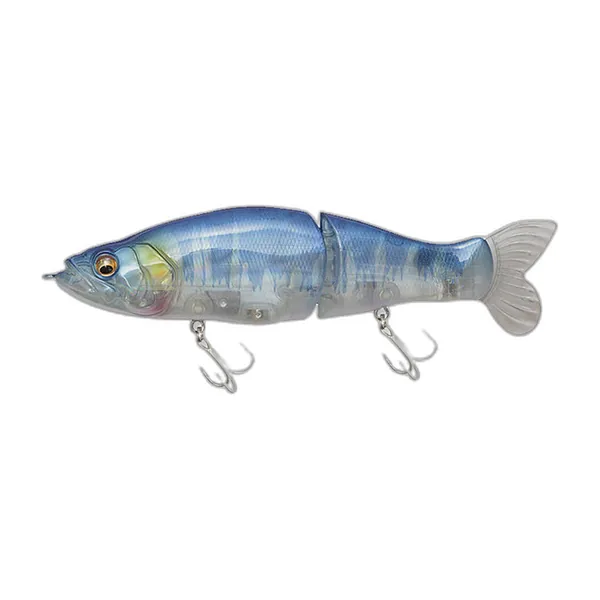 Jointed Stickbaits 13.5 cm 28 g, Pack of 3
Suited to: Northern pike, Largemouth bass, Smallmouth bass.
€32.90£18.90Not shipped to the United States