Smallmouth bass
Micropterus dolomieu
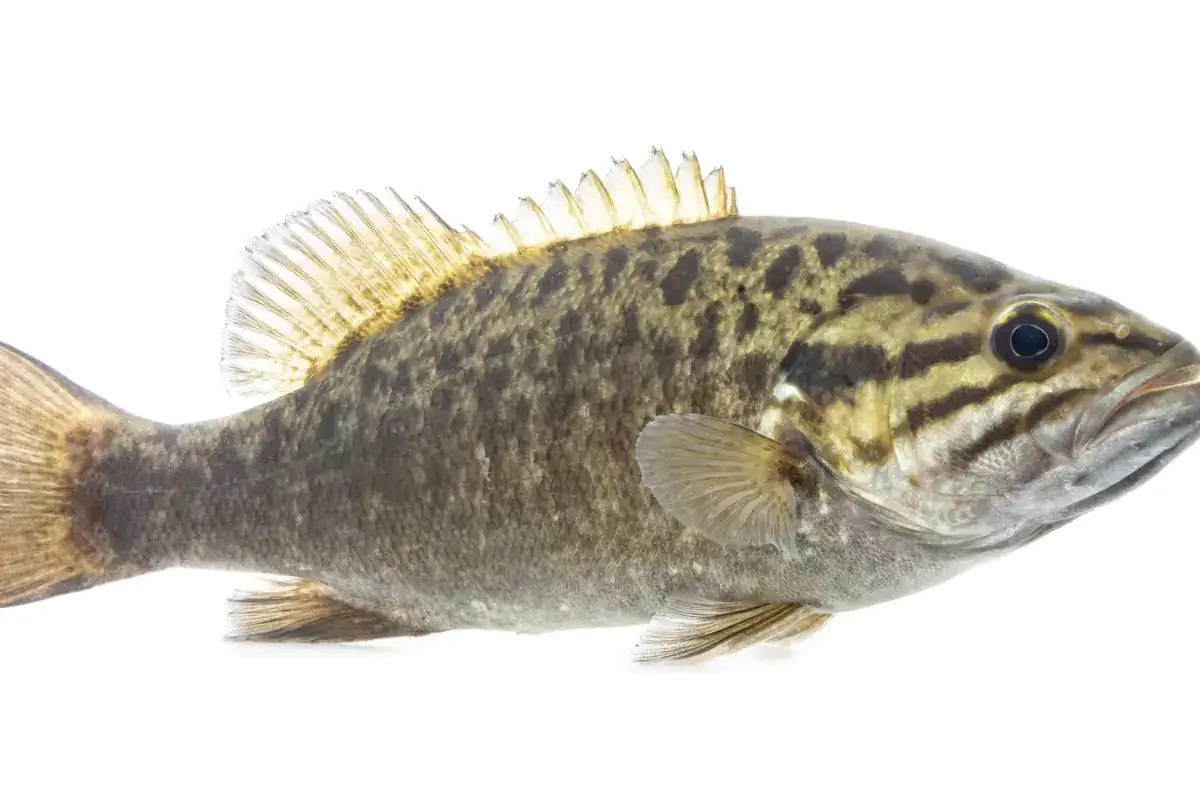
_sam_stukel.jpg)
Related gear
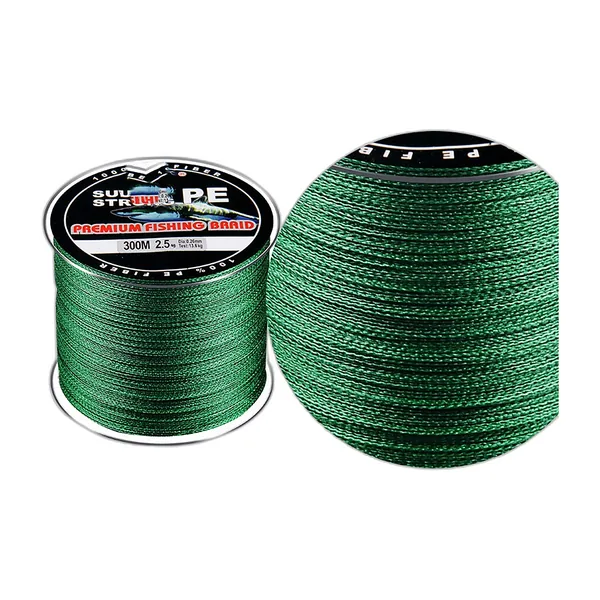 4-Strand PE Braid, Army Green, 300 m
For : northern pike, zander, walleye · spoon and spinner fishing
€27.90£13.90Not shipped to the United States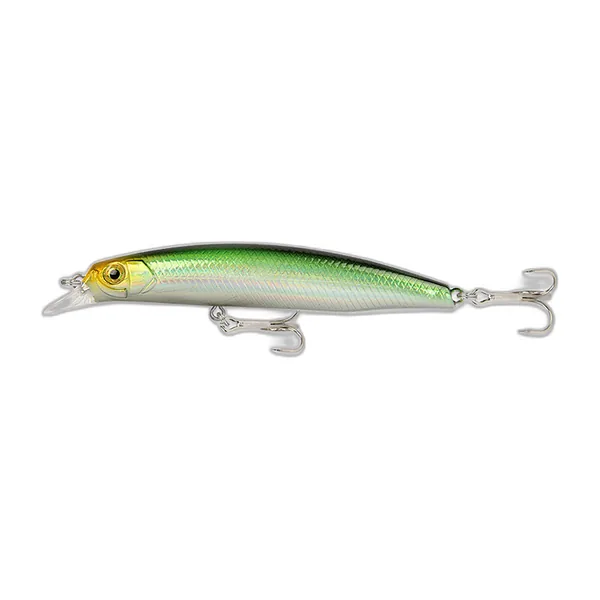 Minnow Crankbaits 9 cm, Pack of 5
For : northern pike, european perch, largemouth bass · crankbait and hard-lure fishing
€30.90£16.90Not shipped to the United States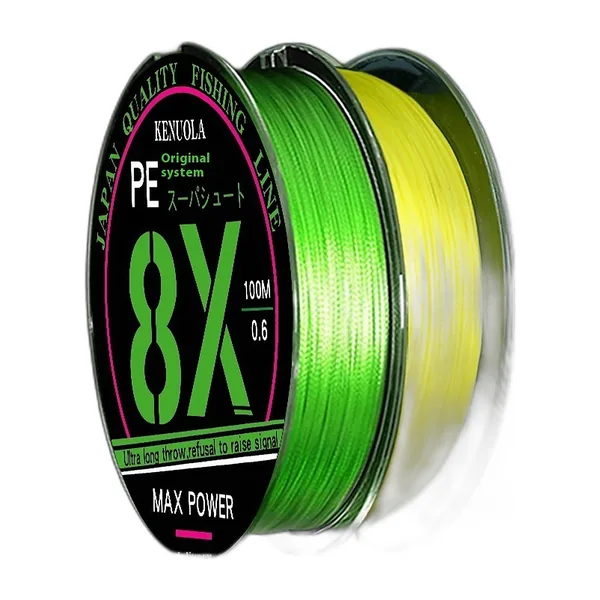 8-Strand Green PE Braid, 100 m
For : european perch, brown trout, rainbow trout · spoon and spinner fishing
€22.90£12.90Not shipped to the United States
A clear-water fighter
Smallmouth bass are prized across Canada and the United States for their fighting power. FishBase describes them in shallow rocky areas of lakes and in clear, gravel-bottomed runs and flowing pools of rivers. Where largemouth look for weed and still water, smallmouth prefer rock, gravel and current. They are also a major target in rivers from the Great Lakes region to the Mid-Atlantic.
What they eat
Young smallmouth eat plankton and immature insects; adults eat crayfish, fish and aquatic and terrestrial insects, and are sometimes cannibalistic (FishBase). Crayfish are the key: crayfish imitations and tubes rank among the most effective lures.
Sizes
The maximum published is 69 cm (27.2 in) and 5.4 kg (11.9 lb), with a maximum age of 26 years (FishBase).
Spring nests
In spring the male builds a nest on sand, gravel or rock, often three to four feet deep and within 150 yards of the previous year's nest, then guards it (FishBase). Hanson and colleagues (2008) compared how nest-guarding smallmouth at different latitudes respond to common angling practices. Many states and provinces close the season or require catch-and-release during nesting; check the regulation page for your water.
Methods
Finesse tactics dominate in clear water: drop-shot, Ned rigs, tubes and small crayfish imitations worked over rock and breaks. Jerkbaits and crankbaits shine in spring and autumn, and topwaters on summer mornings. On rivers, fly fishing with streamers and poppers is hugely popular, and float tubes and kayaks give quiet access.
Barotrauma and release
Smallmouth are often caught deep in summer and autumn. Gravel and Cooke (2008) showed that barotrauma severity influences the physiological status, post-release behaviour and fate of tournament-caught smallmouth. Bring deep fish up slowly, release them quickly, and let nest-guarding males get back to their nests without delay. Siepker and colleagues (2007) reviewed catch-and-release effects on black bass in general.
Tackle checklist
A 6'10"-7' medium-light spinning rod, 8-10 lb braid with a 6-8 lb fluorocarbon leader, a box of drop-shot hooks, Ned heads and tubes, and polarised glasses cover most smallmouth situations.
Lures and baits
- Drop-shot and Ned rigs
- Tubes and crayfish imitations
- Jerkbaits and crankbaits
- Topwaters
- Streamers and poppers on the fly
Catch and release
- Deep-caught fish: bring them up slowly; barotrauma affects survival (Gravel and Cooke 2008).
- Get nest-guarding males back quickly (Hanson et al. 2008).
- Lip the fish and support the body.
Minimum size for Smallmouth bass by area
United States : 22.9–35.6 cm (12)
| Arkansas | 30.5 cm |
| Hawaiʻi | 22.9 cm |
| Kentucky | 30.5 cm |
| Michigan | 35.6 cm |
| New Jersey | 30.5 cm |
| New Mexico | 30.5 cm |
| North Carolina | 35.6 cm |
| Rhode Island | 30.5 cm |
| South Carolina | 30.5 cm |
| Texas | 35.6 cm |
| Vermont | 25.4 cm |
| Wisconsin | 35.6 cm |
Studies cited
- Gravel & Cooke (2008) Severity of Barotrauma Influences the Physiological Status, Postrelease Behavior, and Fate of Tournament-Caught Smallmouth Bass North American Journal of Fisheries Management doi:10.1577/m07-013.1
Shows that barotrauma severity influences the physiological status, post-release behaviour and fate of tournament-caught smallmouth bass. - Hanson et al. (2008) Latitudinal Variation in Physiological and Behavioral Responses of Nest‐Guarding Smallmouth Bass to Common Recreational Angling Practices Transactions of the American Fisheries Society doi:10.1577/t07-228.1
Compares, across latitudes, how nest-guarding smallmouth bass respond physiologically and behaviourally to common angling practices. - SIEPKER et al. (2007) A review of the effects of catch‐and‐release angling on black bass, Micropterus spp.: implications for conservation and management of populations Fisheries Management and Ecology doi:10.1111/j.1365-2400.2007.00529.x
Review of catch-and-release effects on black bass (genus Micropterus).
Official sources
- FishBase – Micropterus dolomieu (fiche espèce ; statut IUCN Red List 2025-2 repris par FishBase) (accessed on 23 September 2026)
- Vlaamse overheid – Visverlof (verplicht voor recreatief vissen op de openbare binnenwateren van het Vlaamse Gewest) (accessed on 23 September 2026)