Float tube fishing
Related gear
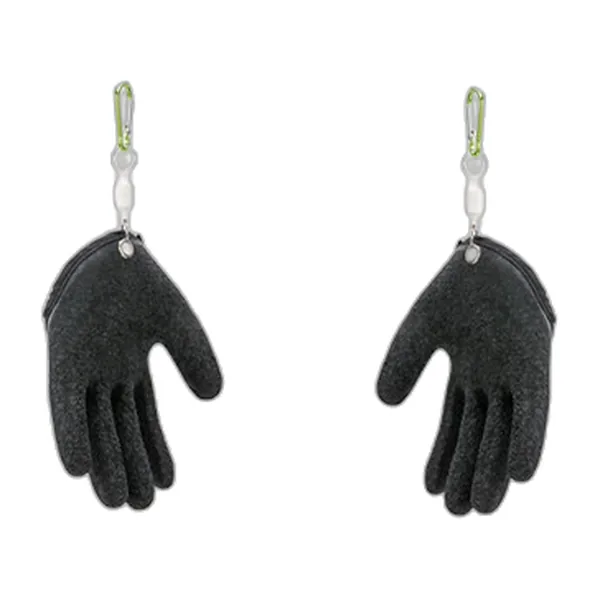 Predator Unhooking Kit: Gloves + Jaw Spreader
Suited to: Northern pike, Zander.
€30.90£15.90Not shipped to the United States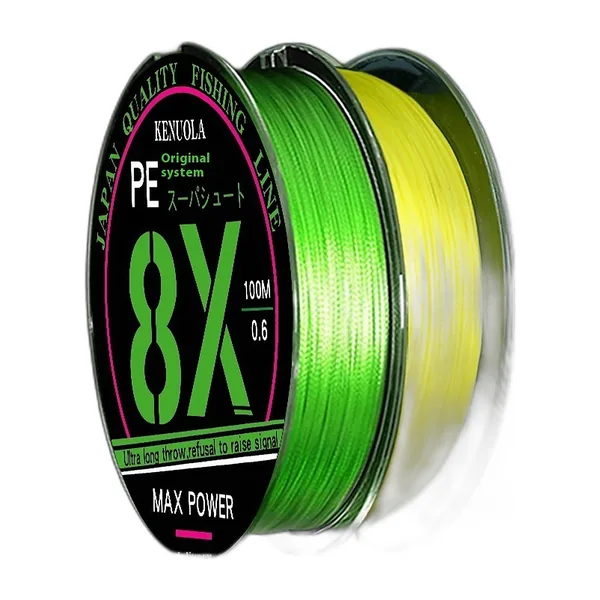 8-Strand Green PE Braid, 100 m
Suited to: European perch, Rainbow trout, Largemouth bass, Smallmouth bass, Zander.
€22.90£12.90Not shipped to the United States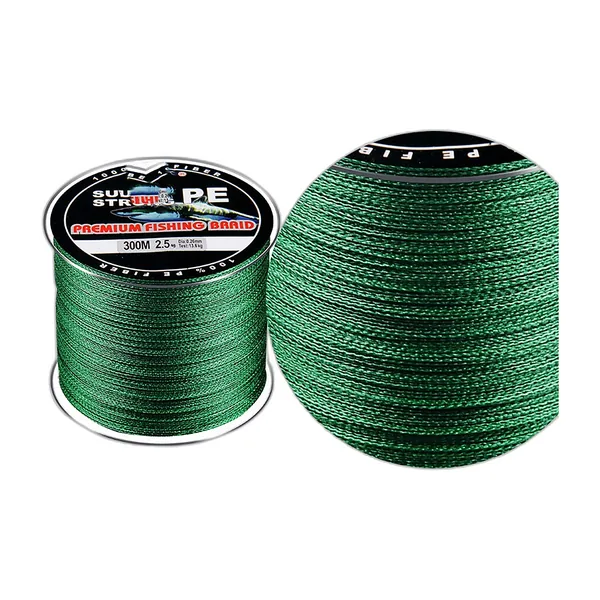 4-Strand PE Braid, Army Green, 300 m
Suited to: Northern pike, Zander, European perch, Largemouth bass, Smallmouth bass.
€27.90£13.90Not shipped to the United States
Why a float tube
A float tube, also called a belly boat, is a fishing float you sit in with your legs in the water, moving backwards with fins. Quiet and light, it lets you reach weed edges, drop-offs and areas the bank angler cannot, without the disturbance of a boat. You can carry it in a backpack to remote ponds and mountain lakes. It is a superb tool for bass, pike, perch, stillwater trout and char.
Gear
A tube with several independent air chambers, so a puncture does not leave you without buoyancy; a life jacket worn at all times; waders suited to the water temperature; fins; and a short rod that is easy to handle seated. Keep lures in small waterproof boxes, put your pliers on a lanyard and carry a dry bag with your phone and a warm layer.
Safety first
A float tube is not a toy. Always wear the life jacket, even on a pond you think you know. Stay within reach of the bank, avoid big water in wind, tell someone where you are going and, ideally, fish with a partner. Cold water drains energy and body heat fast even when the air is mild, so shorten trips in spring and autumn. Enter and leave the water backwards: walking forwards in fins is a common cause of falls.
Fishing from a tube
Sitting low, you see less far but can approach fish quietly. Work along the margins, cast towards the bank or cover, and use the wind drift to search water. Soft plastics, crankbaits, spinners and flies all work. A short-handled net is essential for landing and unhooking.
Fish and warm water
In summer, pond water can get very warm. Gale and colleagues (2011) reviewed the role of temperature in capture and release: in warm water, fish recover less well. Keep fights short, unhook in the water and fish early in the day.
Rules to check
Many waters ban float tubes or allow them only on certain lakes; others treat them as boats, with the obligations that go with that. Some areas may be closed (reserves, spawning grounds, swimming zones). Check the regulation page and the fishery rules before you launch.
The gear, item by item
- Float tube with several independent air chambers
- Life jacket worn at all times
- Breathable or neoprene waders by season
- Fins that fit over waders
- Short, light rod that is easy to handle seated
- Small waterproof boxes in the tube's pockets
- Short-handled landing net
- Dry bag for phone and a warm layer
- Pliers on a lanyard
Step by step
- Check whether float tubes are allowed on the water.
- Inflate and check every chamber before launching.
- Put on life jacket, waders and fins; enter backwards from a gently sloping bank.
- Kick backwards with the fins and stay within reach of the shore.
- Fish weed edges, drop-offs and spots unreachable from the bank.
- Watch the weather and wind; head back before you get tired or cold.
- Exit backwards and remove the fins at the last moment.
Common mistakes
- Going out without a life jacket.
- Straying too far or crossing big water in wind.
- Fishing alone without telling anyone.
- Walking forwards in fins.
- Underestimating cold water, especially in spring and autumn.
Rules to check before you go
- Are float tubes permitted on this water?
- Whether a float tube counts as a boat and what safety gear is required.
- No-go zones (reserves, spawning areas, swimming areas).
- Time restrictions such as no night use.
Fishing regulations by country
Studies cited
- Gale et al. (2011) The role of temperature in the capture and release of fish Fish and Fisheries doi:10.1111/j.1467-2979.2011.00441.x
Review of the role of water temperature in capture and release: relevant to summer float-tube trips on warm waters.