Brook trout
Salvelinus fontinalis

Related gear
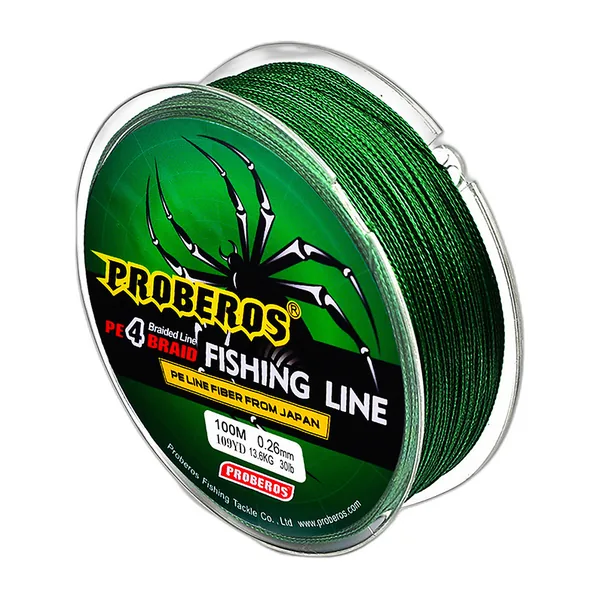 4-Strand Yellow PE Braid, 100 m
For: Spoon and spinner fishing.
€20.90£12.90Not shipped to the United States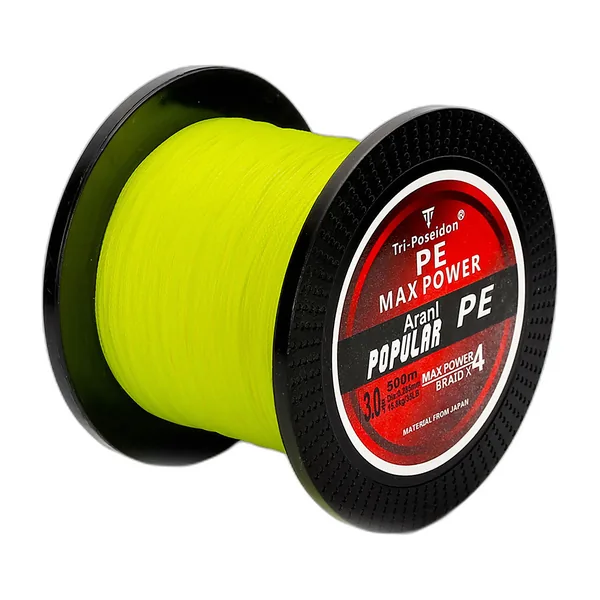 4-Strand PE Braid, 300 m
For: Spoon and spinner fishing.
€29.90£15.90Not shipped to the United States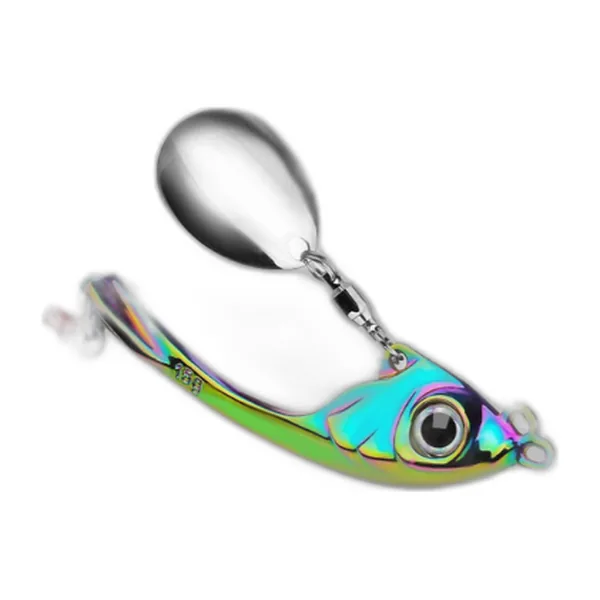 Zinc Fish-Body Spinners, Pack of 5
For: Spoon and spinner fishing.
€27.90£13.90Not shipped to the United States
A native char of eastern North America
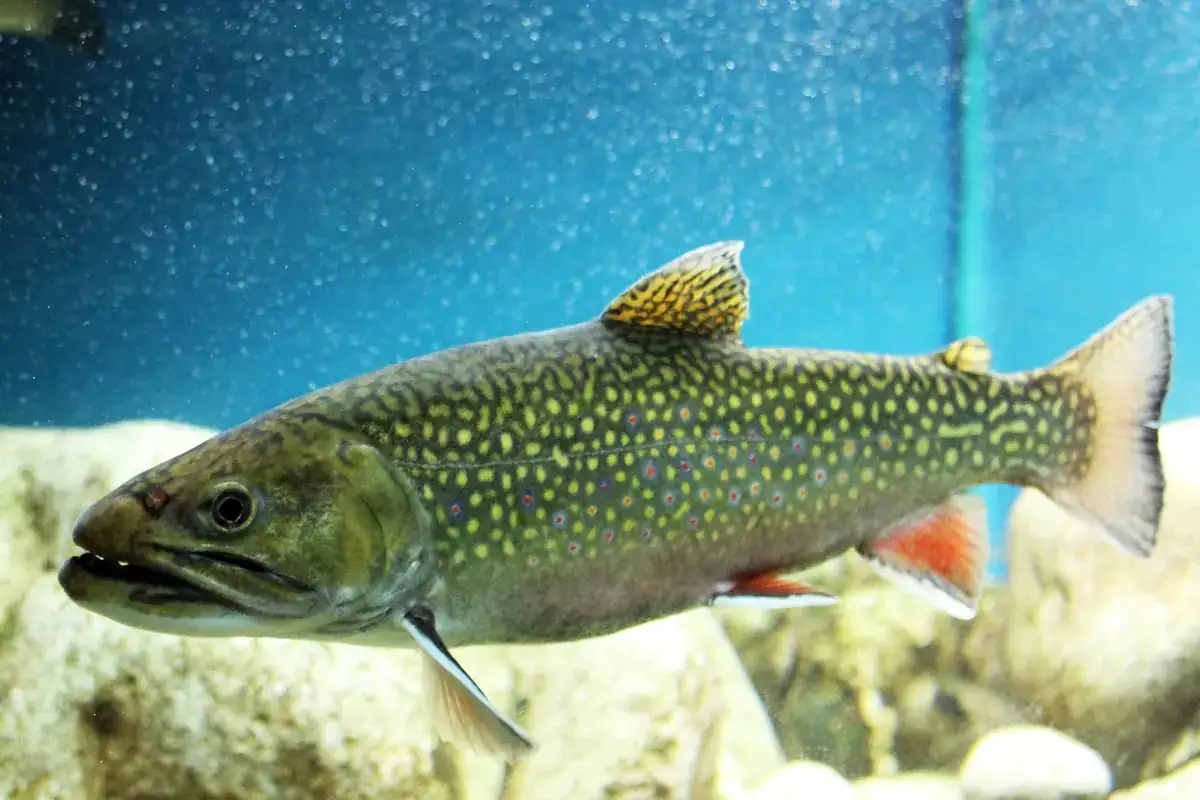
Despite the name, the brook trout is a char. Native to eastern North America, from the Appalachians to Labrador and the Great Lakes, it has been introduced to Europe and western North America, where it can compete with native trout. You can recognise it by the worm-like markings on its back, red spots with blue halos and white-edged lower fins. FishBase describes it in clear, cool, well-oxygenated creeks, small to medium rivers and lakes; some populations, known as salters, run to sea for up to three months in spring.
An opportunist
Its diet is very varied: worms, leeches, crustaceans, insects (midges, caddis, mayflies, stoneflies, dragonflies), molluscs, fish, amphibians and even small mammals (FishBase). Brook trout are often less wary than brown trout, which makes them a great fish for learning to fly fish.
Sizes
Common length is 26.4 cm (10.4 in); the maximum published is 86 cm (33.9 in) standard length and 8 kg (17.6 lb), with a maximum age of 24 years (FishBase). In small streams and high lakes, brookies often stay small; big fish come from large lakes and rivers in Canada.
Spawning
Brook trout spawn in autumn. The female chooses a spot on gravel and digs a redd while the male courts her and drives off rivals (FishBase). Autumn and winter closures often protect this period, and some jurisdictions protect native populations with special rules. Check the regulation page for your water.
Methods
Dry flies, nymphs and small streamers are ideal on streams and mountain lakes. A small inline spinner covers riffles and lake margins quickly. Where bait is allowed, a drifted worm is effective, but release then needs extra care. A float tube helps reach fish cruising offshore in mountain lakes.
Release
DuBois and Pleski (2007) studied hook shedding and mortality of brook trout deeply hooked on bait with barbed and barbless hooks. The practical advice: if the hook is swallowed, cut the line close rather than pulling it out. On lures and flies, use single barbless hooks and keep the fish in the water.
Lures and baits
- Dry flies, nymphs, small streamers
- Small inline spinners
- Worms where bait is permitted
Catch and release
- With bait, cut the line on a swallowed hook: DuBois and Pleski (2007) studied hook shedding and mortality of deeply hooked brook trout.
- Single barbless hooks on lures and flies.
- Keep the fish in the water.
Minimum size for Brook trout by area
France : 18–35 cm (72)
Germany : 25 cm (1)
| Sachsen | 25 cm |
Austria : 22–23 cm (6)
| Kärnten | 22 cm |
| Niederösterreich | 22 cm |
| Oberösterreich | 22 cm |
| Steiermark | 23 cm |
| Tirol | 22 cm |
| Wien | 22 cm |
Italy : 20–25 cm (3)
Switzerland : 25 cm (1)
| Nidwalden | 25 cm |
United States : 15.2 cm (1)
| Maine | 15.2 cm |
Canada : 10 cm (1)
Studies cited
- DuBois & Pleski (2007) Hook Shedding and Mortality of Deeply Hooked Brook Trout Caught with Bait on Barbed and Barbless Hooks North American Journal of Fisheries Management doi:10.1577/m06-276.1
Studies hook shedding and mortality of deeply hooked brook trout caught with bait on barbed and barbless hooks: the basis for 'cut the line' advice.
Official sources
- FishBase – Salvelinus fontinalis (fiche espèce ; statut IUCN Red List 2025-2 repris par FishBase) (accessed on 23 September 2026)
- BOE – Real Decreto 630/2013, Catálogo español de especies exóticas invasoras (texto consolidado) (accessed on 23 September 2026)
- ICNF – Licenças de pesca lúdica e desportiva em águas interiores (licença geral obrigatória, exceto parques de pesca) (accessed on 23 September 2026)