Touch legering (upstream worming)
Related gear
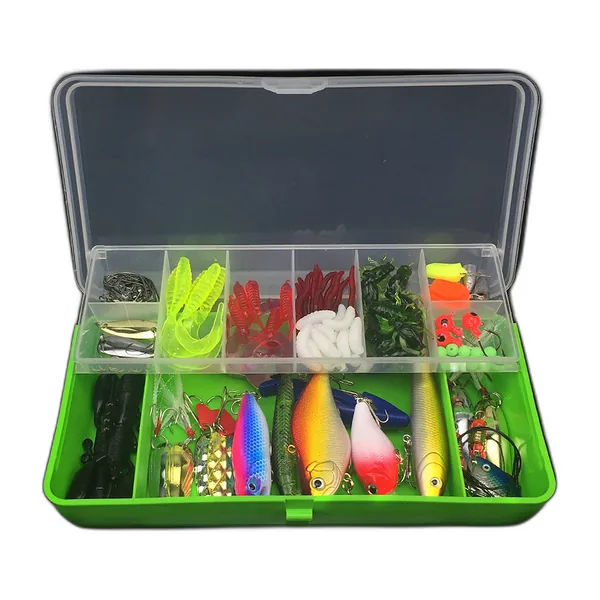 101-Piece Lure and Tackle Box
Suited to: Brown trout, Rainbow trout.
€41.90£23.90Not shipped to the United States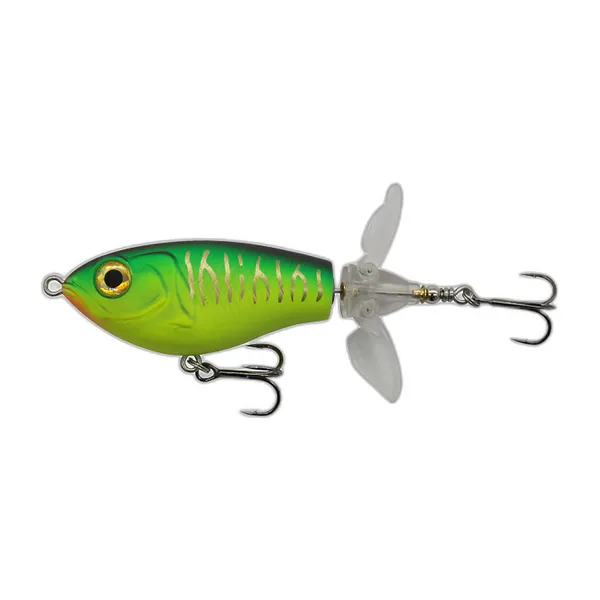 Floating Spinning-Tail Lures, Pack of 4
Suited to: Brown trout, Rainbow trout, Chub.
€42.90£27.90Not shipped to the United States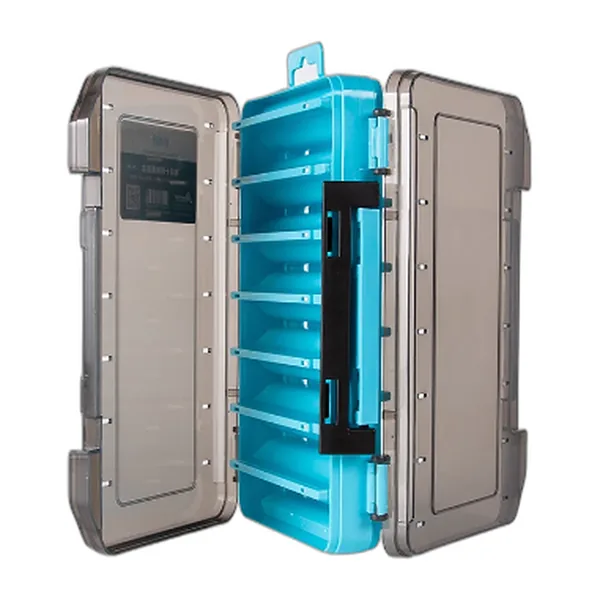 Double-Sided Lure Box (L)
Suited to: Brown trout, Rainbow trout.
€34.90£19.90Not shipped to the United States
The idea
Touch legering (called upstream worming or drift fishing in many places) means rolling a natural bait, such as a worm or grub, along the bottom of the current without a float, guiding the line with a long rod. You cannot see the bait: you feel the bite as a knock through the line and rod tip. It is a stream and river method, traditional for trout and also effective for grayling, chub and barbel, especially in coloured water after rain.
Tackle
A long, light rod, often telescopic, to hold the line above the eddies; a small reel, or none on small brooks; fine line, sometimes with a coloured section to show bites; fine hooks, preferably barbless; and small shot, ideally non-toxic. Waders and polarised glasses complete the kit.
Reading the water and shotting
Trout hold at the heads of runs, along current seams, under undercut banks and behind boulders. The bait should reach those spots rolling along the bottom at current speed. Shotting is everything: too heavy and it snags or stops; too light and it passes over the fish. Adjust the weight for each type of flow.
Guiding and feeling
Cast or lower the bait upstream of the spot, then follow the drift with the rod high, keeping the line neither tight nor slack. A bite feels like a small knock or a stop, or shows as the line darting. Strike early: letting a fish mouth the bait for long increases the risk of it swallowing the hook.
Bait and release
This is the sensitive point of the method. DuBois and Kuklinski (2004) compared mortality, trauma and capture efficiency by hook type in wild stream trout caught by active bait fishing, and Schill (1996) measured hooking mortality of bait-caught rainbow trout. Natural bait is swallowed more often than lures. To reduce harm, strike early, use suitable hooks, and cut the line close if the hook is swallowed rather than pulling it out. If you intend to release most fish, lures or flies are a better choice.
Rules
Many waters ban bait (catch-and-release, fly-only or artificial-only beats), and some baits may be prohibited on trout waters. Single and barbless hook rules vary too. Check the regulation page, seasons and size limits for your water.
The gear, item by item
- Long, light rod (often telescopic) to guide the line
- Small reel, or none on small streams
- Fine line, sometimes with a coloured section to see bites
- Fine hooks, preferably barbless
- Small shot matched to the flow, ideally non-toxic
- Worms, waxworms or insect larvae where permitted
- Forceps or disgorger
- Waders or thigh boots
- Polarised glasses to read the bottom
Step by step
- Find holding spots: heads of runs, current seams, undercut banks, behind boulders.
- Add just enough weight for the bait to roll along the bottom at current speed.
- Cast or lower the bait upstream of the spot and guide the line with the rod high, neither tight nor slack.
- Feel the knock through the line and rod tip, or see it on the line.
- Strike early to avoid deep hooking.
- Unhook with a disgorger; if the hook is swallowed, cut the line.
Common mistakes
- Too much weight: the bait snags or stops.
- Too little weight: the bait passes over the fish.
- Striking late, so fish swallow the hook.
- Wading through holding water or over redds.
Rules to check before you go
- Bait bans on some waters (catch-and-release, fly- or lure-only beats).
- Which baits are allowed on trout waters.
- Single, barbless hook and hook-number rules.
- Trout seasons and size limits.
Fishing regulations by country
Studies cited
- DuBois & Kuklinski (2004) Effect of Hook Type on Mortality, Trauma, and Capture Efficiency of Wild, Stream-Resident Trout Caught by Active Baitfishing North American Journal of Fisheries Management doi:10.1577/m02-172.1
Compares mortality, trauma and capture efficiency by hook type for wild stream-resident trout caught by active bait fishing: the key study for this method. - Schill (1996) Hooking Mortality of Bait-Caught Rainbow Trout in an Idaho Trout Stream and a Hatchery: Implications for Special-Regulation Management North American Journal of Fisheries Management doi:10.1577/1548-8675(1996)016<0348:hmobcr>2.3.co;2
Measures hooking mortality of bait-caught rainbow trout in a stream and a hatchery, with implications for special-regulation waters.