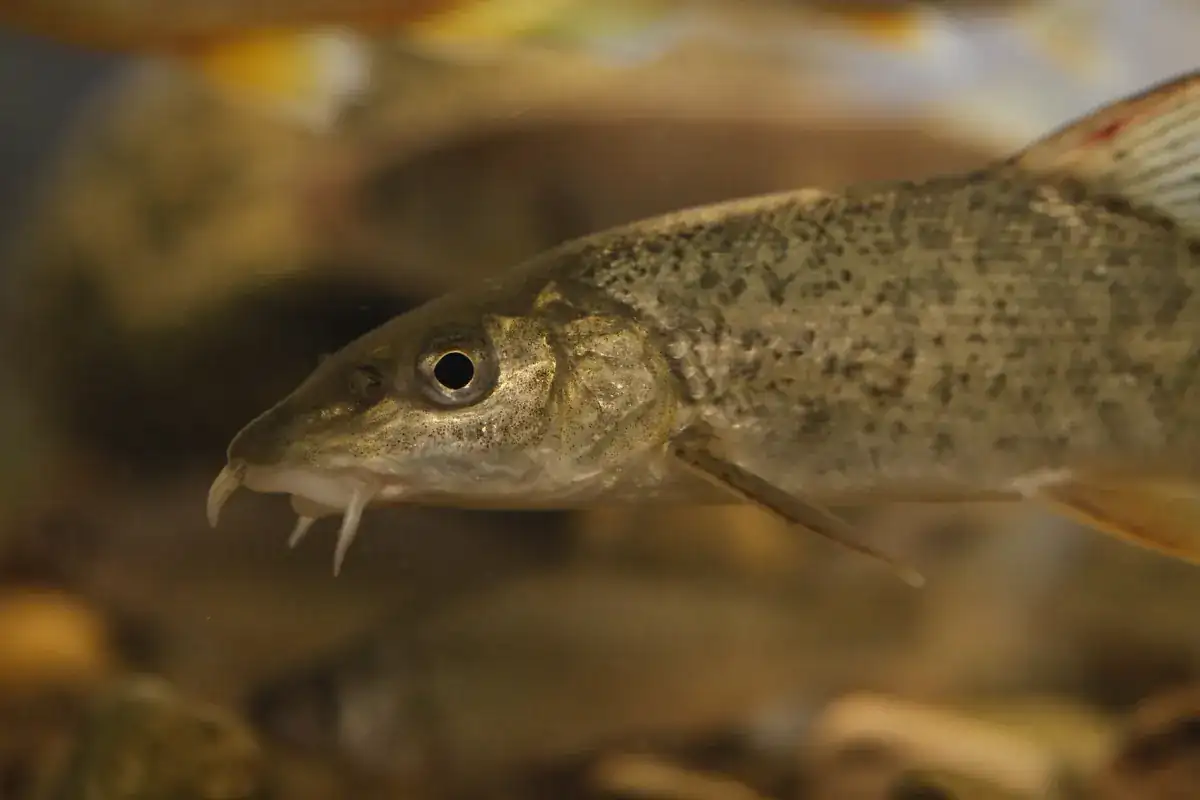
Barbel
Barbus barbus

season calendar
Closed months recorded (share of areas closing the species that month) — 21 areas.
Related gear
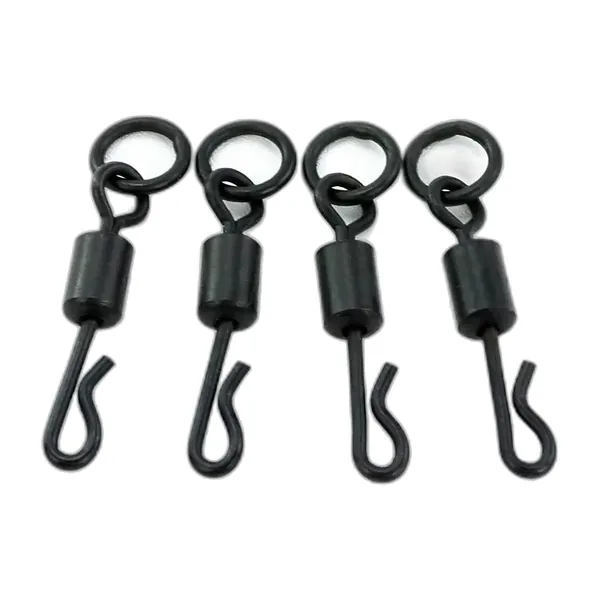 Carp Rig Kit: Ring Swivels, Pop-Up Beads, Shrink Tube
For : common carp, wels catfish · carp fishing with a hair rig
€42.90£24.90Not shipped to the United States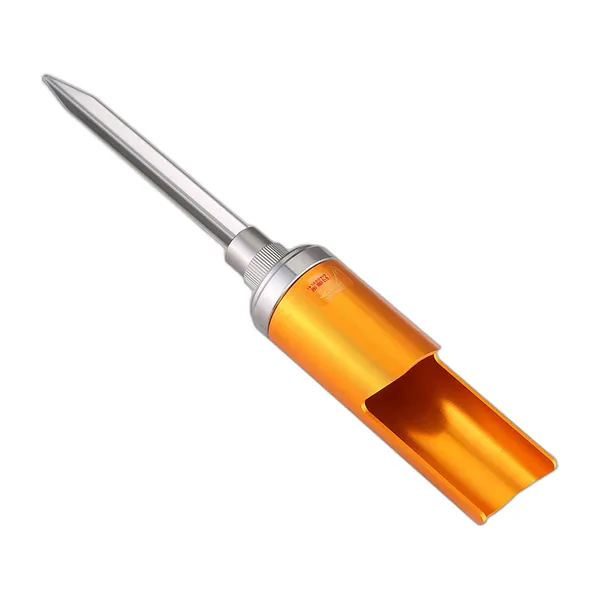 Aluminium Bank Rod Rests, Pack of 2
For : common carp, wels catfish, common bream · feeder fishing
€35.90£18.90Not shipped to the United States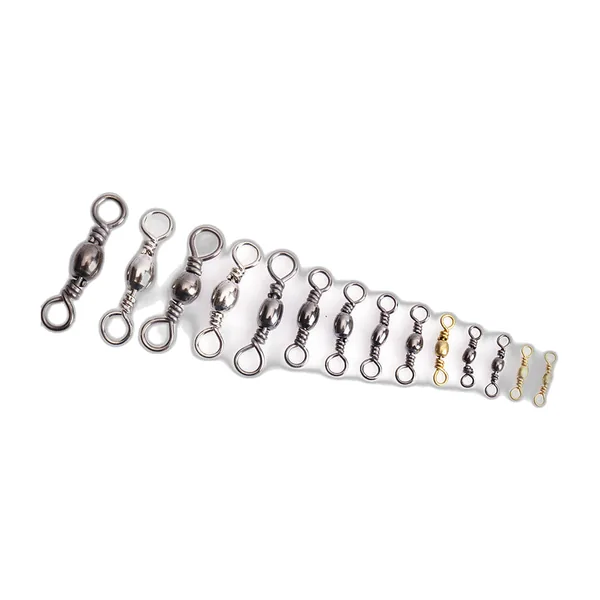 Stainless Steel Swivels, Pack of 100
For : northern pike, zander, walleye · feeder fishing
€29.90£14.90Not shipped to the United States
A fish of the fast water
Barbel live in clear, medium to large rivers with fast current and gravel bottoms, the so-called barbel zone. FishBase notes that adults often form shoals that hide under overhanging trees or bridges by day and are most active at dawn and dusk. In winter they gather in large groups in slower water. In Britain, barbel are among the most prized river species, with rivers such as the Severn, Trent and Wye famous for them.
What they eat
Barbel use their barbels to search gravel for invertebrates: insect larvae (mayflies, midges), small crustaceans and molluscs. They also take small fish and sometimes algae (FishBase). Britton and Pegg's (2011) synthesis covers barbel ecology and its implications for river and fishery management.
Sizes
Common length is 30 cm (11.8 in); the maximum published is 120 cm (47 in) and 12 kg (26.5 lb), with a maximum age of 15 years (FishBase).
Spawning: beware of the roe
Barbel spawn from May to July after migrating upstream, on very shallow, fast riffles, with each female spawning with several males. An important point: barbel roe is poisonous (FishBase) and must never be eaten. Spawning fish are concentrated and vulnerable; in England and Wales the river coarse close season (15 March-15 June) covers much of this period. Check the regulation page. FishBase also notes past local declines due to pollution and river regulation, with recovery in several central European rivers.
Methods
A feeder loaded with maggots, hemp or pellets is the most consistent method, putting bait on the bottom where barbel feed. Rolling or trotting a bait through the swim is very effective on known spots. Hair rigs with pellets or mini boilies select bigger fish. Bites are often savage: the rod tip slams round.
Summer and autumn are the best seasons. In winter, a mild spell or a rising, coloured river can switch barbel on.
Reviving barbel
Barbel fight until exhausted. After a photo, hold the fish facing the current in the net or in your hands until it swims away strongly. Line strong enough to shorten the fight and an unhooking mat complete good practice.
Lures and baits
- Maggots and casters
- Hemp and particles
- Pellets and mini boilies
- Luncheon meat, cheese paste
- Worms
Catch and release
- Barbel fight to exhaustion: hold them facing the current in the net until they swim off strongly.
- Line strong enough to keep the fight short.
- Use a mat and keep photos quick.
- Never eat barbel roe: it is poisonous.
Minimum size for Barbel by area
Belgium : 50 cm (1)
Luxembourg : 35 cm (1)
Germany : 35–50 cm (10)
| Bayern | 40 cm |
| Brandenburg | 40 cm |
| Hessen | 40 cm |
| Niedersachsen | 35 cm |
| Nordrhein-Westfalen | 35 cm |
| Rheinland-Pfalz | 35 cm |
| Saarland | 40 cm |
| Sachsen | 50 cm |
| Sachsen-Anhalt | 45 cm |
| Thüringen | 40 cm |
Austria : 30–40 cm (9)
| Burgenland | 30 cm |
| Kärnten | 35 cm |
| Niederösterreich | 30 cm |
| Oberösterreich | 35 cm |
| Salzburg | 35 cm |
| Steiermark | 30 cm |
| Tirol | 40 cm |
| Vorarlberg | 40 cm |
| Wien | 35 cm |
Netherlands : 30 cm (1)
| Nederland | 30 cm |
Italy : 20–25 cm (2)
Slovenia : 30 cm (1)
Croatia : 28 cm (1)
Switzerland : 30 cm (1)
| Schaffhausen | 30 cm |
Studies cited
- Britton & Pegg (2011) Ecology of European Barbel Barbus Barbus : Implications for River, Fishery, and Conservation Management Reviews in Fisheries Science doi:10.1080/10641262.2011.599886
Synthesis of European barbel ecology and its implications for river, fishery and conservation management.
Official sources
- FishBase – Barbus barbus (fiche espèce ; statut IUCN Red List 2025-2 repris par FishBase) (accessed on 23 September 2026)
- GOV.UK – Freshwater rod fishing rules (accessed on 23 September 2026)
- Sportvisunie – VISpas (Gezamenlijke Lijst van Nederlandse Viswateren, VISplanner, NachtVIStoestemming) (accessed on 23 September 2026)
- Vlaamse overheid – Visverlof (verplicht voor recreatief vissen op de openbare binnenwateren van het Vlaamse Gewest) (accessed on 23 September 2026)
- ICNF – Licenças de pesca lúdica e desportiva em águas interiores (licença geral obrigatória, exceto parques de pesca) (accessed on 23 September 2026)