Carp fishing with a hair rig
Related gear
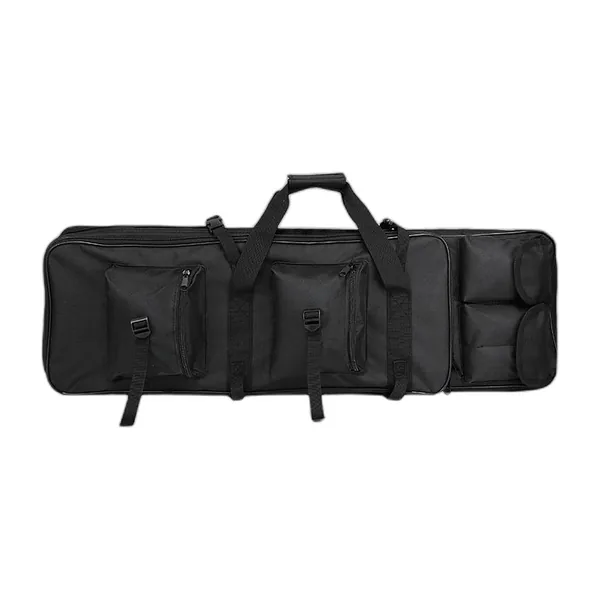 Oxford fabric rod bag
Suited to: Common carp.
€55.90£28.90Not shipped to the United States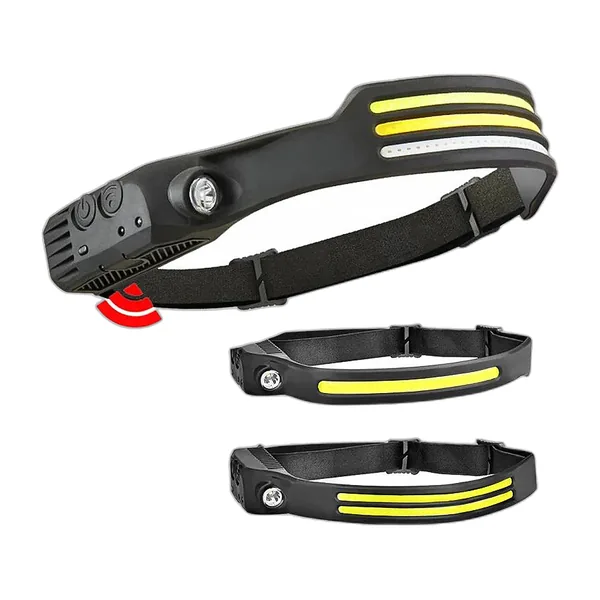 Rechargeable Motion-Sensor Headlamp
Suited to: Common carp, Wels catfish.
€27.90£13.90Not shipped to the United States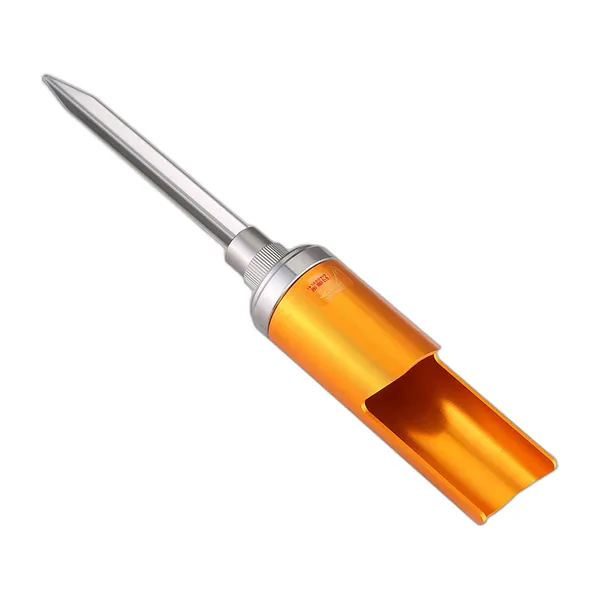 Aluminium Bank Rod Rests, Pack of 2
Suited to: Common carp, Wels catfish.
€35.90£18.90Not shipped to the United States
Why the hair rig changed everything
A hair rig mounts the bait (boilie, pellet, particle) on a fine length of line extending from the hook instead of on the hook itself. The point stays exposed: when a carp sucks in the bait and tries to eject it, the hook catches in the bottom lip. Combined with a heavy enough lead, the rig is self-hooking. It also lets you present hard baits that could not be hooked directly.
Tackle
Two or more carp rods as your licence allows, free-spool reels, strong mono or braid, braided or coated hooklinks, carp hooks, leads on a safe system, bite alarms and a rod pod. For the fish: a large landing net, a padded unhooking mat and a head torch for night sessions.
Hooks and safety
Rapp and colleagues (2008) showed the importance of hook size when targeting large carp: a hook matched to fish and bait hooks better and injures less. The lead must be able to come free if the line breaks, so a carp is never left tethered to a lead or a snag.
Baiting without excess
Boilies, pellets and particles should be good quality, and particles must always be properly soaked and cooked. Arlinghaus and Niesar (2005) measured the digestibility of carp baits and discussed eutrophication: part of what goes in ends up enriching the water. More bait is not better bait.
Rules to know
In England and Wales, a standard rod licence covers up to two rods for coarse fish and a three-rod licence is available; fisheries often set their own rules on night fishing, bait boats and baits. In France, night carp fishing is allowed only on designated stretches. Check the regulation page for your area and the fishery rules.
Handling big carp
Place the carp on a wet mat, never on bare ground, unhook quickly, keep it wet and limit photos to a few seconds, holding the fish low over the mat. Careful release is at the heart of carp fishing. Arlinghaus (2007) also showed that voluntary catch-and-release can create tension between carp anglers and other water users; explaining your practices and respecting local rules helps.
The gear, item by item
- Carp rods with a test curve suited to the range
- Free-spool (baitrunner) reels
- Strong mono or braid, shock leader for long casts
- Braided or coated hooklink and anti-tangle tubing or leaders as allowed
- Carp hooks sized for the fish (Rapp et al. 2008)
- Leads on a safe system that releases on a break
- Boilies, pellets, properly prepared particles
- Bite alarms
- Rod pod or bank sticks
- Large, deep landing net
- Padded unhooking mat
- Head torch (red light) for night sessions
Step by step
- Find features by plumbing, using a marker float and watching for fish.
- Mount the bait on the hair so the hook point stays free.
- Use a self-hooking rig on a safe lead system.
- Cast accurately and bait sensibly (throwing stick, catapult or bait boat where allowed).
- Set the free-spool and bite alarms.
- On a run, lift into the fish and play it steadily.
- Net it, place it on a wet mat, unhook, take a quick photo and release.
Common mistakes
- Overbaiting.
- Unsafe rigs that leave a lead attached to a fish after a break.
- Hooks not matched to fish size.
- Putting carp on bare ground.
- Long photo sessions out of water.
- Leaving rods unattended.
Rules to check before you go
- Night fishing: allowed only on designated waters in some countries.
- Number of rods allowed by your licence.
- Bait boats and boats: permitted or not depending on the fishery.
- Banned baits and feed limits.
- Mandatory unhooking mats or minimum net sizes on some fisheries.
Fishing regulations by country
Studies cited
- Rapp et al. (2008) Exploitation of specialised fisheries resources: The importance of hook size in recreational angling for large common carp (Cyprinus carpio L.) Fisheries Research doi:10.1016/j.fishres.2008.06.019
Shows the importance of hook size in specialised angling for large carp. - Arlinghaus & Niesar (2005) Nutrient digestibility of angling baits for carp, Cyprinus carpio, with implications for groundbait formulation and eutrophication control Fisheries Management and Ecology doi:10.1111/j.1365-2400.2004.00425.x
Measures the digestibility of carp baits and implications for feeding and eutrophication. - Arlinghaus (2007) Voluntary catch‐and‐release can generate conflict within the recreational angling community: a qualitative case study of specialised carp, Cyprinus carpio, angling in Germany Fisheries Management and Ecology doi:10.1111/j.1365-2400.2007.00537.x
Qualitative study showing that voluntary catch-and-release can generate conflict between specialised carp anglers and others.