Crucian carp
Carassius carassius
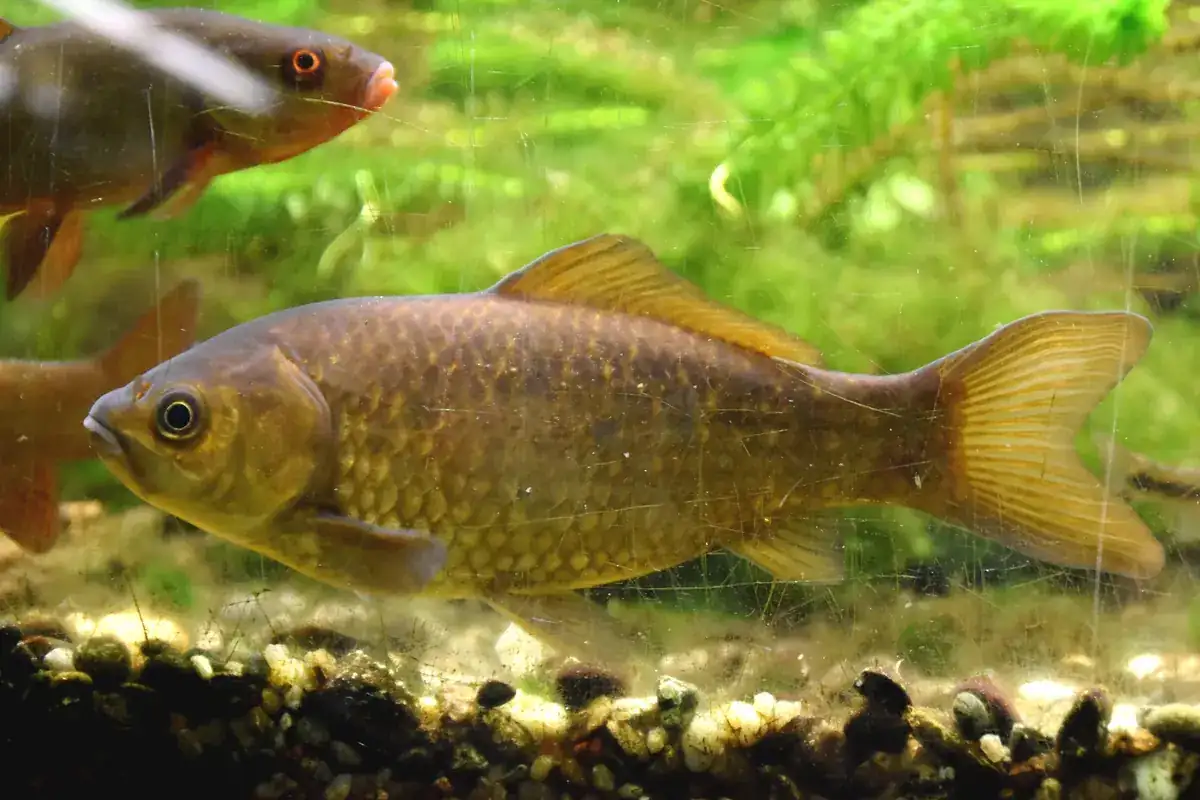

Declining in many waters, notably through competition and hybridisation with introduced gibel carp and goldfish; several conservation projects exist.
Related gear
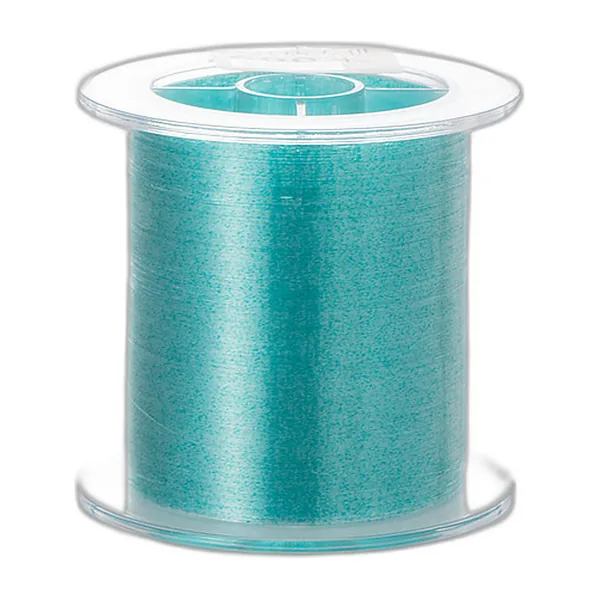 Camouflage Nylon Line, Light Blue, 1,000 m
For : roach, common bream, common carp · float fishing (waggler and stick float)
€30.90£14.90Not shipped to the United States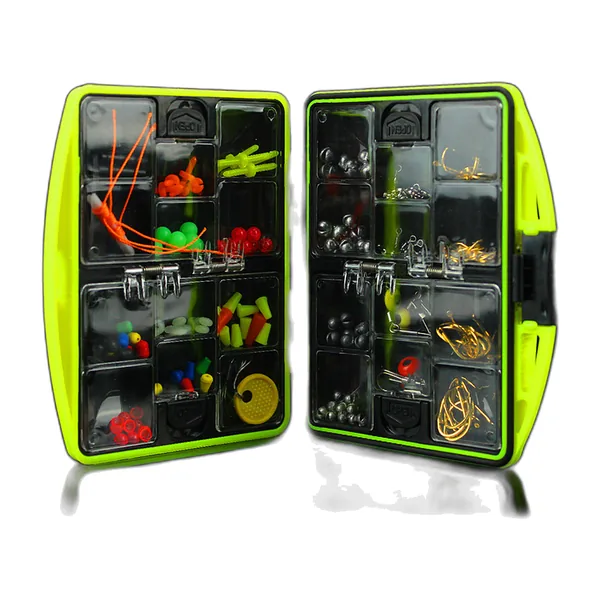 Rigging Accessory Assortment, 184 Pieces
For : roach, common bream, common carp · float fishing (waggler and stick float)
€27.90£13.90Not shipped to the United States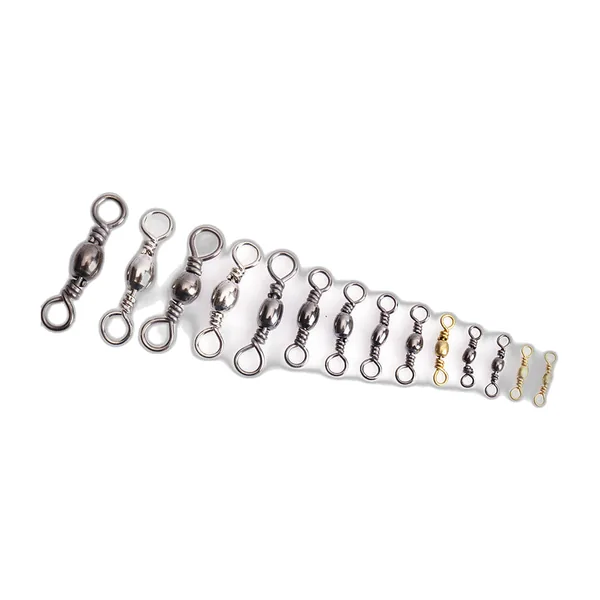 Stainless Steel Swivels, Pack of 100
For : northern pike, zander, walleye · feeder fishing
€29.90£14.90Not shipped to the United States
A pond survivor
The crucian carp is a small, deep-bodied golden cyprinid and a champion survivor. FishBase describes it in shallow ponds, weedy lakes and backwaters of lowland rivers. It tolerates high temperatures and very low oxygen, in summer and under ice. It is scarce where predatory fish are abundant, but very abundant when alone. In England, crucians have a devoted following among "pond anglers".
A species in decline
FishBase reports a gradual disappearance from many waters, especially in the Danube basin and central Europe, possibly because of competition with introduced gibel (Prussian) carp, Carassius gibelio. In England, Sayer and colleagues (2011) analysed the extent and causes of crucian decline and proposed conservation measures. Hybridisation with gibel carp, goldfish and common carp also makes identification tricky: a true crucian has a rounded, convex dorsal fin and no barbels.
Sizes
Common length is 15 cm (5.9 in); the maximum published is 64 cm (25.2 in) and 3 kg (6.6 lb), with a maximum age of 10 years (FishBase).
Spawning
Crucians spawn in May-June in shallow, weedy water; each female spawns several times, and the sticky eggs attach to plants and hatch in 4-8 days (FishBase). In England and Wales, the coarse-fish river close season applies on rivers; most ponds and lakes remain open. Check the regulation page.
How to catch them
Crucians eat plankton, invertebrates, plant material and detritus, all day but mainly at night (FishBase). Bites are notoriously delicate: a light, sensitive float shotted down to the tip is essential. Maggots, casters, bread punch, micro pellets and sweetcorn are classic baits, fished near the bottom along weed beds at dawn and in the evening. Feed sparingly; a few handfuls are plenty in a small pond.
Responsible fishing
Return crucians immediately using barbless hooks. Above all, never move fish between waters: that is how gibel carp and hybrids spread. Many clubs now manage dedicated crucian conservation ponds.
Tackle checklist
A 12-13 ft float rod or a short pole, 2-3 lb line, size 16-20 hooks, slim pole floats or small insert wagglers and a disgorger are all you need. Keep your feed to a minimum in small ponds.
Lures and baits
- Maggots, casters
- Bread punch and flake
- Micro pellets
- Sweetcorn
Catch and release
- Small barbless hooks; bites are delicate, so strike promptly.
- Never move crucians (or look-alikes) between waters: hybridisation risk.
- Immediate release.
Minimum size for Crucian carp by area
Studies cited
- Sayer et al. (2011) Towards the conservation of crucian carp Carassius carassius: understanding the extent and causes of decline within part of its native English range Journal of Fish Biology doi:10.1111/j.1095-8649.2011.03059.x
Analyses the extent and causes of crucian carp decline in part of its native English range, with conservation recommendations.
Official sources
- FishBase – Carassius carassius (fiche espèce ; statut IUCN Red List 2025-2 repris par FishBase) (accessed on 23 September 2026)
- Sportvisunie – VISpas (Gezamenlijke Lijst van Nederlandse Viswateren, VISplanner, NachtVIStoestemming) (accessed on 23 September 2026)
- Vlaamse overheid – Visverlof (verplicht voor recreatief vissen op de openbare binnenwateren van het Vlaamse Gewest) (accessed on 23 September 2026)