Tench
Tinca tinca

season calendar
Closed months recorded (share of areas closing the species that month) — 25 areas.
Related gear
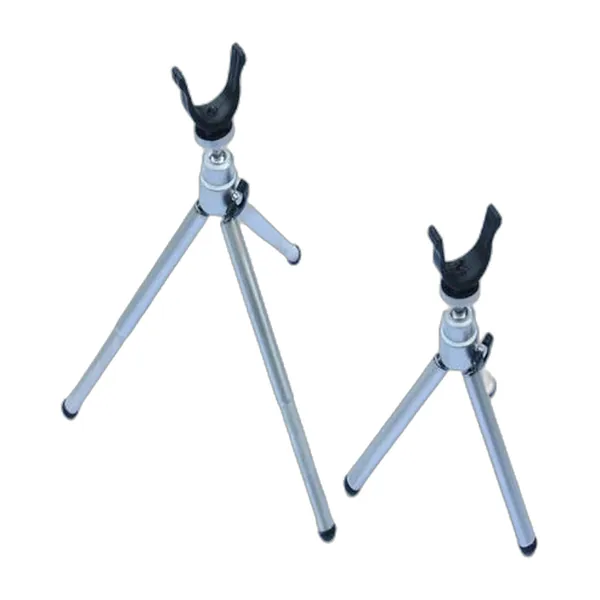 Small Folding Aluminium Rod Tripods, Pack of 2
For : common carp, common bream, tench · feeder fishing
€26.90£13.90Not shipped to the United States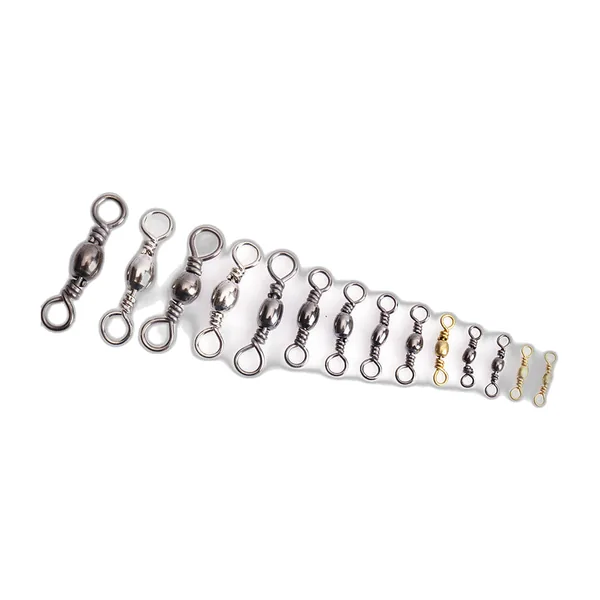 Stainless Steel Swivels, Pack of 100
For : northern pike, zander, walleye · feeder fishing
€29.90£14.90Not shipped to the United States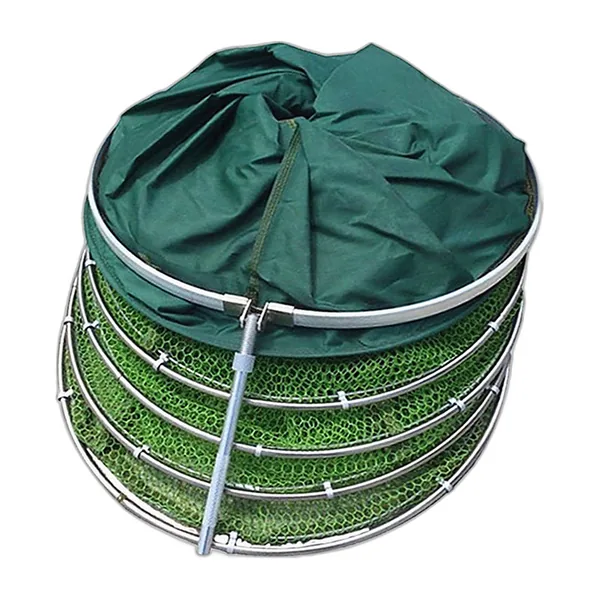 Responsible gearCoated Nylon Keepnet with Aluminium Rings
For : roach, common bream, european perch · float fishing (waggler and stick float)
€73.90£36.90Not shipped to the United States
The fish of weedy ponds
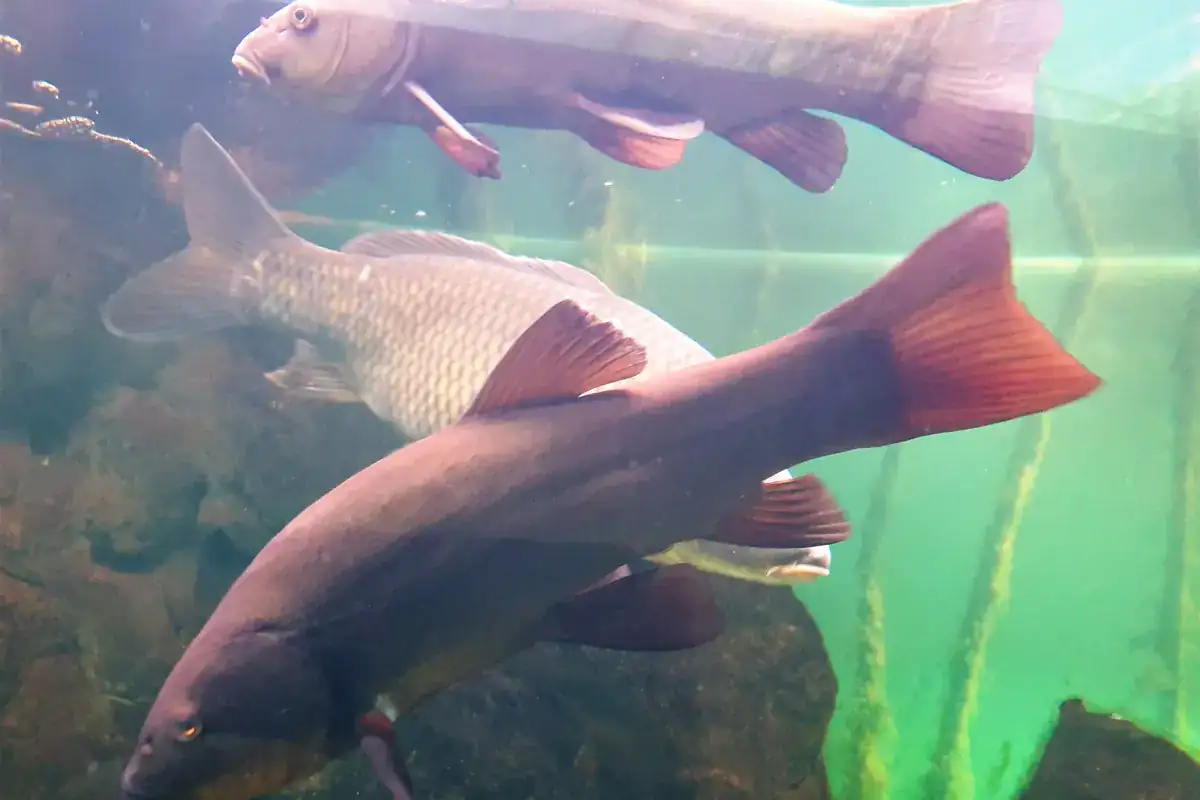
Tench are easy to recognise by their olive-green body, small red eyes and thick slime. FishBase describes them in shallow, densely vegetated lakes and backwaters with warm water and muddy bottoms. They tolerate low oxygen and often overwinter buried in mud; larvae and juveniles stay hidden in dense weed. In Britain, tench fishing at dawn on a misty estate lake is a classic of the season.
What they eat
Tench feed on detritus, bottom animals and plant material, and adults often eat mainly molluscs (FishBase). They root along weed edges, often giving themselves away with strings of tiny bubbles.
Sizes
Common length is 20 cm (7.9 in); the maximum published is 70 cm (27.6 in) standard length and 7.5 kg (16.5 lb) (FishBase).
Spawning spread through summer
This is what makes tench unusual: depending on latitude, they spawn between May and September when the water reaches 19-20 °C (66-68 °F). A single female spawns every 1-5 days for about two months, laying sticky green eggs on plants (FishBase). Horoszewicz (1983) studied this reproductive rhythm under fluctuating temperatures. There is usually no tench-specific closure, but in England and Wales the river coarse close season (15 March-15 June) applies, and it makes sense to avoid hammering shallow weedy spawning areas in midsummer. Check the regulation page for your water.
When and how to fish
Tench are warm-water fish. Late spring and summer are their seasons, with two prime windows: dawn and early morning, then evening. Fish tight to weed beds or in a swim raked clear the day before.
A float rig shotted to lay the bait on the bottom (the "lift method") is the classic approach: bites often show as bubbles, then a slow rise of the float. Feeders and method feeders work well on larger waters. Baits: worms, maggots and casters, sweetcorn, pellets, mini boilies or bread.
Handling
Tench fight hard towards the weed, so use line strong enough to avoid break-offs that leave a hook behind. Wet your hands before touching them to protect their slime, and release them quickly near cover.
Lures and baits
- Worms, maggots, casters
- Sweetcorn
- Pellets and mini boilies
- Bread
Catch and release
- Line strong enough near weed to avoid break-offs.
- Wet hands: tench have a thick slime layer.
- Release quickly near cover.
Frequently asked questions
When is the best time to fish for tench?
The best time to fish for tench is from late spring to late summer when the water is warm, and within the day at dawn and early morning, with a second spell in the evening; in winter they are largely inactive. English and Welsh rivers close to coarse fishing from 15 March to 15 June.
FishBase describes the tench as a warm-water fish of shallow, weedy lakes that often overwinters buried in mud, so it feeds mainly from late spring until the end of summer. Within the day, our species data point to dawn and the early morning as the best period, followed by the evening; bright, hot middays are usually slower. Spawning, which FishBase places between May and September depending on latitude at water temperatures around 19 to 20 °C, happens repeatedly over about two months according to Horoszewicz (1983), and catches can dip while fish are spawning. Many anglers therefore target tench in May and June and again later in summer. In winter, when tench are inactive, catches are rare. Legal timing matters too: in England and Wales you cannot fish for coarse fish on rivers from 15 March to 15 June, while most enclosed stillwaters and canals are open all year subject to local byelaws and fishery rules (GOV.UK). Some German states protect tench in May and June with a closed season, for example Bavaria from 1 May to 30 June according to the state guidance. Check the rules for the water you fish.
Official sources : FishBase – Tinca tinca (Schleie) ; Horoszewicz 1983 – Reproductive rhythm in tench (Aquaculture) ; GOV.UK – Freshwater rod fishing rules: when and where you can fish ; StMELF – Merkblatt zu den fischereirechtlichen Bestimmungen in Bayern
What is the best bait for tench?
The best tench baits are worms, maggots and casters, sweetcorn, small pellets and mini boilies, and bread, fished on the bottom over a small bed of particles and groundbait near weed. Tench feed on bottom invertebrates and molluscs, so natural baits imitate their diet while corn and pellets select bigger fish.
FishBase describes the tench as feeding on detritus, bottom animals and plant material, with adults often feeding mainly on molluscs. Baits that imitate this bottom food work well: worms, including chopped worm in the feed, maggots, casters and bloodworm where allowed. Sweetcorn, small pellets and mini boilies are more selective and help avoid small roach and rudd, which is why many specimen anglers combine them, for example corn with an artificial maggot or a pellet on a hair rig. Bread flake is also effective. Present the bait on the bottom under a lift float, on a feeder or method feeder, or on a light hair rig, and bait a compact area near a weed edge, lilies or a shelf. Keep feed moderate; Arlinghaus and Niesar (2005) showed that angling baits and groundbait add nutrients to the water. Tench bubbles rising over the swim often signal feeding fish. We found no study that ranks tench baits by catch rate, so this reflects established practice. In England and Wales rivers close for coarse fishing from 15 March to 15 June, but most stillwaters, where tench are usually caught, are open all year subject to byelaws (GOV.UK).
Official sources : FishBase – Tinca tinca (Schleie) ; Arlinghaus & Niesar 2005 – Nutrient digestibility of angling baits for carp (Fish. Manag. Ecol.) ; GOV.UK – Freshwater rod fishing rules: when and where you can fish
Are tench hard to catch?
Tench are not especially hard to catch once you find them, but they can be selective and feed at set times, mostly early morning in warm months, and they live in weedy water where they are hard to land. Timing, a baited spot near weed and strong enough line matter more than special tackle. No study measures 'difficulty'.
There is no objective measure of how hard a species is to catch, so this answer draws on the tench's biology as described by FishBase. Tench live in shallow, densely vegetated lakes and backwaters with warm water and muddy bottoms, tolerate low oxygen and often overwinter buried in mud. Several practical difficulties follow. First, they are seasonal: they feed mainly from late spring to late summer, and are hard to catch in cold water. Second, they are often most active at dawn and early morning, so short sessions at the wrong time produce little. Third, they spawn repeatedly over the summer at 19 to 20 °C according to FishBase, and Horoszewicz (1983) described this multiple spawning, which can make catches patchy. Fourth, they fight hard and run into weed, so line that is too light leads to break-offs. On the other hand, tench readily take worms, maggots, corn and pellets over a baited spot, and once a feeding group settles, several fish can be caught. Tactics that help: prebait a small area near weed, fish at first light, use a lift float or feeder and strong enough line, and watch for bubbles.
Official sources : FishBase – Tinca tinca (Schleie) ; Horoszewicz 1983 – Reproductive rhythm in tench (Aquaculture)
What do tench eat?
Tench eat detritus, bottom-dwelling animals and plant material, according to FishBase; adults often feed mainly on molluscs such as small snails and mussels. They root in soft mud for food, often sending up streams of bubbles. That is why worms, maggots, casters and corn are effective baits.
FishBase lists detritus, benthic animals and plant material as the food of the tench (Tinca tinca) and notes that adults often feed mainly on molluscs. Benthic animals include midge larvae, worms, small crustaceans and insect larvae picked from the soft mud; larvae and juveniles hide in dense vegetation and eat small invertebrates. Tench feed by rooting in the bottom, and the streams of fine bubbles this releases are a classic sign of feeding fish. Their habitat shapes their feeding: FishBase describes shallow, densely vegetated lakes and backwaters with warm water and muddy bottoms, and tench tolerate low oxygen levels. They feed most actively in warm months and little in winter, when they often lie buried in mud. For anglers, baits that mimic bottom food, such as worms, maggots, casters and bloodworm where allowed, work well, while sweetcorn, bread, pellets and small boilies are readily accepted substitutes. A compact bed of particles and chopped worm near a weed edge keeps a group of tench feeding without filling them up.
Official sources : FishBase – Tinca tinca (Schleie)
How do you catch tench?
Catch tench in weedy, warm stillwaters from late spring to late summer, ideally at dawn, with the bait on the bottom under a lift float or on a feeder or light hair rig. Use worms, maggots, casters, corn or pellets over a small baited area near weed, and line strong enough to stop fish reaching snags.
FishBase describes the tench as a fish of shallow, densely vegetated lakes and backwaters with warm water and soft bottoms, feeding on bottom animals, molluscs and plant material. The season therefore runs from late spring into late summer, and the best times are dawn and the early morning, with a second spell in the evening. Choose a swim near weed beds, lilies or reeds and prebait a compact area with hemp, corn, pellets and chopped worm. Classic methods are the lift float, where the shot lies on the bottom and the float rises when a tench picks up the bait, the feeder or method feeder, and a light hair rig with pellets or mini boilies. Baits include worms, maggots, casters, sweetcorn, bread and pellets. Tench fight hard and dive into weed, so the line must be strong enough; a landing net and unhooking mat help. Remember that tench spawn over the summer at 19 to 20 °C, according to FishBase, which can make catches erratic. Rules: in England and Wales most stillwaters are open all year, rivers are closed from 15 March to 15 June for coarse fish, and a rod licence is needed from age 13 (GOV.UK); in Ireland, tench over 25 cm may not be killed (IFI).
Official sources : FishBase – Tinca tinca (Schleie) ; GOV.UK – Freshwater rod fishing rules: when and where you can fish ; GOV.UK – Buy a rod fishing licence: when you need a licence ; Inland Fisheries Ireland – Angling regulations reminder (pike bye-law 809/2006, coarse fish bye-law 806/2006)
What is the best lure for tench?
Tench are rarely caught on lures: they feed on bottom invertebrates, molluscs and plant matter rather than fish, so natural baits like worms, maggots and corn are far more effective. Artificial baits that work are imitation maggots or corn and small nymph-type flies fished near the bottom. We found no study ranking lures for tench.
The tench is not a fish predator. FishBase lists detritus, bottom animals and plants as its diet, with adults feeding largely on molluscs. Spinners, crankbaits and soft plastics fished for pike or perch therefore rarely catch tench, except by accident. If you want to avoid natural bait, the most realistic artificial options are imitation baits: plastic or foam maggots, casters and sweetcorn, often combined with real feed on the bottom, and small weighted nymphs or bloodworm imitations fished slowly close to the bottom with fly tackle in clear, weedy water. These work because they mimic the invertebrates tench eat. For consistent results, though, the proven baits are worms, maggots, casters, sweetcorn, pellets and bread over a small baited area near weed at dawn in warm months. We did not find a scientific study comparing lures for tench, so this answer is based on the species' diet as described by FishBase. Barbless hooks and strong enough line make it easier to release tench quickly, since they are powerful fish that head for weed when hooked.
Official sources : FishBase – Tinca tinca (Schleie)
How big do tench get?
Tench commonly reach about 20 cm; FishBase gives a published maximum of 70 cm standard length and 7.5 kg (about 16.5 lb), with no maximum age listed. Most tench caught weigh far less, and fish over a few pounds are considered specimens. In Ireland no coarse fish over 25 cm may be killed.
FishBase gives the tench (Tinca tinca) a common length of 20 cm total length, a published maximum of 70 cm standard length, which excludes the tail fin, and a maximum published weight of 7.5 kg. The FishBase summary does not give a maximum age. Tench grow best in warm, nutrient-rich, weedy waters with plenty of bottom food, and many of the biggest fish come from mature gravel pits and lakes. Most tench caught are much smaller than the maximum; anglers usually regard fish of several pounds as specimens, though that threshold is a convention, not a measured figure. Keeping rules vary: in England and Wales the daily limit on rivers includes up to 15 small fish up to 20 cm, tench included, and local byelaws and fishery rules apply (GOV.UK); in Ireland, Inland Fisheries Ireland summarises that no coarse fish over 25 cm may be killed and only four may be kept per day. In Germany most states set a 25 cm minimum size. Large tench are strong and heavy-bodied, so land them with a large net, support them on a wet unhooking mat and return them quickly.
Official sources : FishBase – Tinca tinca (Schleie) ; GOV.UK – Freshwater rod fishing rules: fish size and catch limits ; Inland Fisheries Ireland – Angling regulations reminder (pike bye-law 809/2006, coarse fish bye-law 806/2006) ; Landesfischereiverordnung Baden-Württemberg (Stand 2022) ; Landesfischereiverordnung Nordrhein-Westfalen (Fassung 03.07.2026) ; Sächsische Fischereiverordnung (SächsFischVO)
What time of day do tench feed?
Tench feed most actively at dawn and in the early morning, with a second feeding spell in the evening; in hot, bright conditions they are often quiet at midday. They can also feed at night where night fishing is allowed. This pattern comes from angling experience; we found no study timing tench feeding.
We did not find a scientific study that measures the daily feeding rhythm of tench, so this answer combines the species' biology with established angling experience. FishBase describes tench as bottom feeders of shallow, weedy, warm waters, eating detritus, bottom animals, molluscs and plants. In summer, such waters warm quickly in the sun, and oxygen levels can fall during the day and rise again overnight and at dawn; anglers consistently report that tench feed best at first light and in the early morning, often signalled by bursts of fine bubbles over the swim, and again in the evening. On overcast, mild days with a light breeze they may feed through the day. Night sessions can also produce tench on waters where night fishing is permitted. Seasonally, tench feed mainly from late spring to late summer and little in winter. Practical advice: be set up before dawn with a prebaited spot near weed, fish a lift float or feeder, and watch for bubbles and swirls. Always check the fishery rules, since many clubs restrict night fishing and some rivers are closed to coarse fishing from 15 March to 15 June in England and Wales (GOV.UK).
Official sources : FishBase – Tinca tinca (Schleie) ; GOV.UK – Freshwater rod fishing rules: when and where you can fish
Why are tench called doctor fish?
The name 'doctor fish' comes from an old belief that the tench's thick slime could heal other fish, including injured pike, that rubbed against it. There is no scientific evidence that it works. FishBase describes the tench's thick mucus layer but does not support any healing effect.
'Doctor fish' is an old English nickname for the tench, recorded in popular natural history and angling lore. The traditional explanation is that the tench's unusually thick mucus layer was believed to have healing properties, so that sick or injured fish, including pike that might otherwise prey on it, would rub against the tench to cure themselves. We have not found a scientific source confirming any healing effect, and we could not verify the historical origin of the name in a primary source, so this answer is marked partial. What is documented is the tench's biology: FishBase describes it as a fish of shallow, weedy, often low-oxygen waters that feeds on bottom animals and plants, and the species is known for a thick slime coat and very small scales, which is presumably what gave rise to the legend. For anglers, the practical point is to handle tench with wet hands or on a wet mat to protect that mucus layer, which helps defend the fish against infection, and to return it quickly. Note that 'doctor fish' is also used for unrelated species, such as small fish used in spa foot treatments, which have nothing to do with tench.
Official sources : FishBase – Tinca tinca (Schleie)
Where can you fish for tench in Ireland?
Tench in Ireland are found mainly in midland lakes, canals and slow rivers, and many coarse fisheries require a permit from local angling clubs or schemes such as the Midland Fisheries Group. Rules summarised by Inland Fisheries Ireland: no coarse fish over 25 cm may be killed, four coarse fish per day, and live bait is banned.
We could not access Inland Fisheries Ireland's species pages from our tools, so we cannot list specific tench venues from an official source; the answer is therefore partial. What we can confirm from IFI's regulations summary is the legal framework. Under the Coarse Fish Bye-law 806/2006, no coarse fish over 25 cm may be killed and an angler may keep at most four coarse fish per day, which in practice makes most tench fishing catch and release. Live bait is prohibited, a maximum of two rods may be used, and moving live roach between waters is banned. IFI's summary did not show a national closed season for coarse fish, but individual fisheries can set their own rules; for example, Lough Sheelin in the Midland Fisheries Group area is closed to all fishing from 13 October to 29 February. Permits for many midland waters are sold through IFI's permit shop, such as the Midland Fisheries Group annual permit covering lakes and rivers like Sheelin, Owel, Ennel, Derravaragh, Suck, Inny and Brosna. Tench favour shallow, weedy, warm stillwaters and canals, as FishBase describes, so look for such waters and ask local clubs and tackle shops about access.
Official sources : Inland Fisheries Ireland – Angling regulations reminder (pike bye-law 809/2006, coarse fish bye-law 806/2006) ; FishBase – Tinca tinca (Schleie)
Why are tench so slimy?
Tench have very small, deeply embedded scales and a thick mucus coat, which makes them feel especially slimy. Fish mucus generally protects the skin against abrasion, parasites and infection, which suits the tench's life in weedy, muddy, low-oxygen water. We found no study specific to tench mucus, so this is a general explanation.
The tench's slippery feel comes from two features: very small scales set deep in thick skin, and a heavy layer of mucus over the body. FishBase describes the species' habitat as shallow, densely vegetated lakes and backwaters with warm water and muddy bottoms, tolerating low oxygen levels and often overwintering buried in mud. In fish in general, the mucus layer acts as a barrier against abrasion, parasites, bacteria and fungi and helps the fish move through water and vegetation; a thick coat would be useful for a species that spends its life pushing through weed and rooting in mud. We did not find a peer-reviewed study specifically on tench mucus in our verified sources, so we present this as a general explanation rather than a measured fact. The slime also explains the old nickname 'doctor fish', based on a belief, not supported by evidence, that it healed other fish. For anglers, the practical consequence is to protect that coat: wet your hands before handling, use a wet unhooking mat, avoid dry towels or rough surfaces, and return the fish promptly. Keepnets must meet design rules in England and Wales (GOV.UK).
Official sources : FishBase – Tinca tinca (Schleie) ; GOV.UK – Freshwater rod fishing rules: tackle you can use
What time of year do tench spawn?
Tench spawn in summer: FishBase gives May to September depending on latitude, when water reaches about 19 to 20 °C. They spawn repeatedly, every 1 to 5 days over about two months, laying sticky green eggs on plants. Horoszewicz (1983) described this multiple spawning in fluctuating temperatures.
According to FishBase, tench spawn between May and September depending on latitude, at water temperatures around 19 to 20 °C. Spawning is not a single event: females release eggs repeatedly, every one to five days over roughly two months, depositing sticky green eggs on aquatic plants in shallow water. Horoszewicz (1983) studied the reproductive rhythm of tench under fluctuating temperatures and explained this pattern of repeated spawning. Larvae and juveniles then stay hidden in dense vegetation. For anglers, spawning explains why tench catches can be erratic in early and mid summer: fish may be preoccupied, gather in shallow weedy areas, or stop feeding for a while. Good practice is to avoid disturbing shallow, weedy spawning areas and to return fish quickly during this period. Some countries protect tench while they spawn: several German states set a closed season, for example Bavaria from 1 May to 30 June according to the state guidance. In England and Wales there is no species-specific tench close season, but the coarse fish close season on rivers from 15 March to 15 June covers the early part of the breeding period on flowing waters (GOV.UK).
Official sources : FishBase – Tinca tinca (Schleie) ; Horoszewicz 1983 – Reproductive rhythm in tench (Aquaculture) ; StMELF – Merkblatt zu den fischereirechtlichen Bestimmungen in Bayern ; GOV.UK – Freshwater rod fishing rules: when and where you can fish
Where should you fish for tench?
Fish for tench in shallow, weedy, warm stillwaters: lakes, gravel pits, estate ponds and canals with lilies, reeds and soft bottoms, as FishBase describes their habitat. Target the edges of weed beds, lily pads and margins, especially at dawn in late spring and summer. Club or fishery permission and local rules apply.
FishBase describes the tench as a fish of shallow, densely vegetated lakes and backwaters with warm water and muddy bottoms, tolerant of low oxygen levels. The best waters are therefore mature gravel pits, estate lakes, ponds and canals with plenty of weed, lilies and reed beds, and slow, weedy stretches of lowland rivers. Within a water, tench patrol weed edges, gaps in lilies, marginal shelves and silt beds, and feeding fish often give themselves away with bubbles or coloured water. Prebaiting a compact area near such a feature concentrates them. Access and rules matter: most tench fishing is on club or day-ticket waters, so you need the owner's permission as well as the national licence. In England and Wales a rod licence is required from age 13, rivers are closed to coarse fishing from 15 March to 15 June, and most stillwaters and canals are open all year subject to local byelaws (GOV.UK). In Ireland, Inland Fisheries Ireland summarises that coarse fish over 25 cm may not be killed and live bait is banned. Ask local clubs and tackle shops which waters hold tench and how they are managed.
Official sources : FishBase – Tinca tinca (Schleie) ; GOV.UK – Buy a rod fishing licence: when you need a licence ; GOV.UK – Freshwater rod fishing rules: when and where you can fish ; Inland Fisheries Ireland – Angling regulations reminder (pike bye-law 809/2006, coarse fish bye-law 806/2006)
Minimum size for Tench by area
Belgium : 30 cm (1)
Luxembourg : 25 cm (2)
Germany : 25–26 cm (14)
| Baden-Württemberg | 25 cm |
| Bayern | 26 cm |
| Berlin | 25 cm |
| Brandenburg | 25 cm |
| Freie und Hansestadt Hamburg | 25 cm |
| Hessen | 25 cm |
| Mecklenburg-Vorpommern | 25 cm |
| Nordrhein-Westfalen | 25 cm |
| Rheinland-Pfalz | 25 cm |
| Saarland | 25 cm |
| Sachsen | 25 cm |
| Sachsen-Anhalt | 25 cm |
| Schleswig-Holstein | 25 cm |
| Thüringen | 25 cm |
Austria : 25–30 cm (9)
| Burgenland | 25 cm |
| Kärnten | 25 cm |
| Niederösterreich | 25 cm |
| Oberösterreich | 25 cm |
| Salzburg | 25 cm |
| Steiermark | 25 cm |
| Tirol | 30 cm |
| Vorarlberg | 25 cm |
| Wien | 30 cm |
Netherlands : 25 cm (1)
| Nederland | 25 cm |
Italy : 20–60 cm (13)
Spain : 15–25 cm (5)
Slovenia : 30 cm (1)
Croatia : 20 cm (1)
Switzerland : 25 cm (2)
Studies cited
- Horoszewicz (1983) Reproductive rhythm in tench, Tinca tinca (L.), in fluctuating temperatures Aquaculture doi:10.1016/0044-8486(83)90271-5
Studies the reproductive rhythm of tench under fluctuating temperatures, explaining repeated summer spawning.
Official sources
- FishBase – Tinca tinca (fiche espèce ; statut IUCN Red List 2025-2 repris par FishBase) (accessed on 23 September 2026)
- Sportvisunie – VISpas (Gezamenlijke Lijst van Nederlandse Viswateren, VISplanner, NachtVIStoestemming) (accessed on 23 September 2026)
- Vlaamse overheid – Visverlof (verplicht voor recreatief vissen op de openbare binnenwateren van het Vlaamse Gewest) (accessed on 23 September 2026)
- ICNF – Licenças de pesca lúdica e desportiva em águas interiores (licença geral obrigatória, exceto parques de pesca) (accessed on 23 September 2026)