Wels catfish
Silurus glanis
_(13532570755).jpg)
season calendar
Closed months recorded (share of areas closing the species that month) — 12 areas.
Related gear
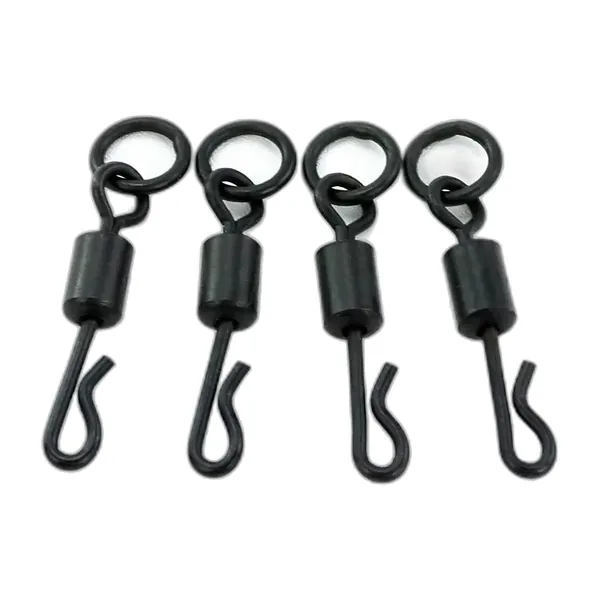 Carp Rig Kit: Ring Swivels, Pop-Up Beads, Shrink Tube
For : common carp, wels catfish · carp fishing with a hair rig
€42.90£24.90Not shipped to the United States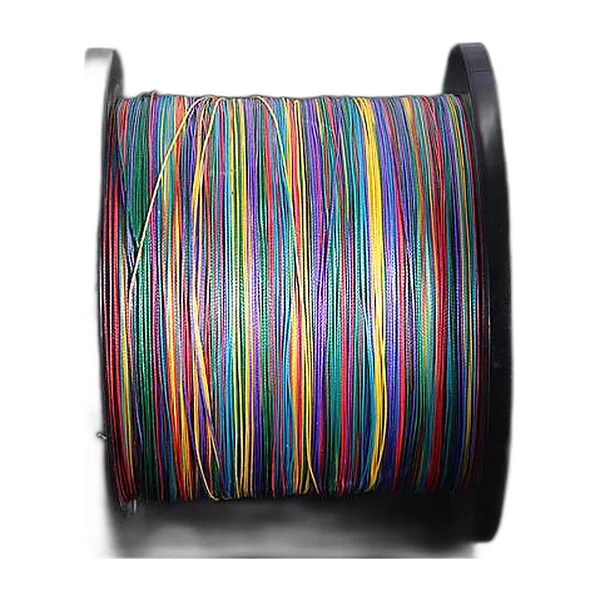 8-Strand Multicolour PE Braid, 500 m
For : northern pike, zander, walleye · vertical jigging
€72.90£49.90Not shipped to the United States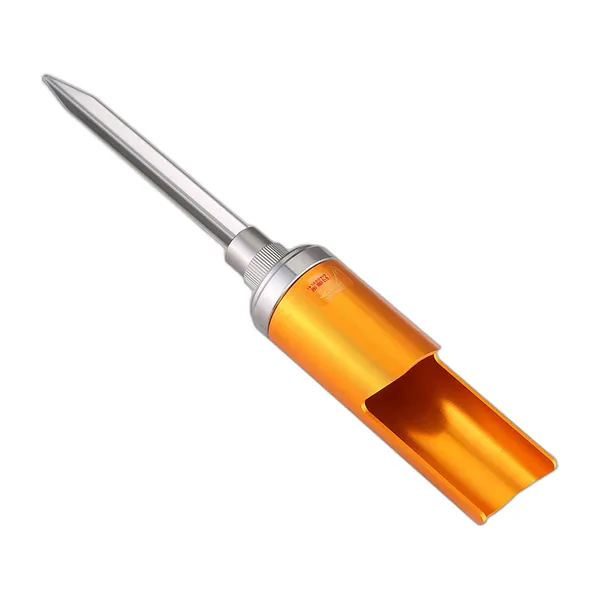 Aluminium Bank Rod Rests, Pack of 2
For : common carp, wels catfish, common bream · feeder fishing
€35.90£18.90Not shipped to the United States
What gear do you need for wels catfish?
Europe's largest freshwater fish
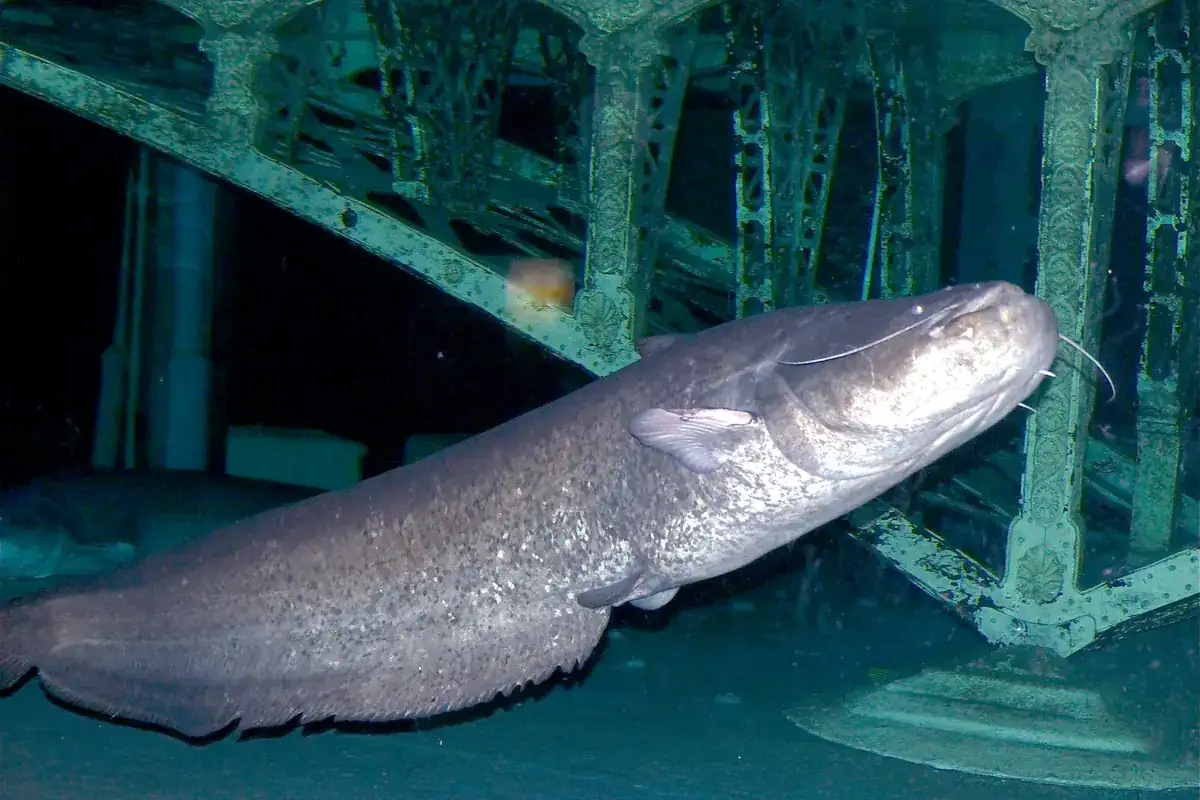
The wels catfish is native to central and eastern Europe. Introduced to France, Spain, Italy and elsewhere, it has become a major sport-fishing target. In the UK it is present on licensed stillwaters. FishBase describes it in large and medium lowland rivers, backwaters, weedy lakes and deep reservoirs on lower river reaches.
What we really know about its size
Claims of 5 m and 306 kg still circulate. FishBase explains that these figures came from misidentification and unit errors: the documented maxima are 2.73 m (107 in) and 130 kg (287 lb), with a maximum reported age of 80 years. That is still enormous, and a fish over 2 m (6.5 ft) needs very careful handling.
A nocturnal predator
Wels hunt mainly at night, near the bottom and in mid-water. Larvae and juveniles eat invertebrates and fish; adults eat fish and other aquatic vertebrates. On the River Tarn in France, Cucherousset and colleagues (2012) filmed wels deliberately beaching themselves to catch pigeons. The review by Copp and colleagues (2009) covers its biology in both native and introduced ranges, including the debate about its impact on other species.
Spawning
Wels spawn in late spring and summer in warm water. The male builds a nest of plant material or cleans willow roots, then guards it until the larvae emerge; eggs hatch in 2-3 days (FishBase). In its native range, closed seasons protect these males. Elsewhere, rules vary, and night fishing restrictions often apply. Check the regulation page.
Methods
Big soft plastic shads of 15-30 cm (6-12 in), fished near the bottom or vertically from a boat, are very effective. The clonk, a tool that makes a sound underwater, draws fish up to a bait presented in mid-water. From the bank, worm bunches and halibut pellets on a hair rig catch plenty of wels, especially at dusk and at night where legal.
Handling
Use very strong tackle to keep fights short. Wels are often landed by hand, wearing a glove, by the lower jaw. Place the fish on a large wet mat, never on stones, and support the whole body for photos. In Spain and some other regions where the species is considered invasive, release may be prohibited. In the UK, moving or stocking wels requires a permit.
Lures and baits
- Big soft shads 15-30 cm (6-12 in)
- Clonk and vertical lures
- Halibut pellets on a hair rig
- Worm bunches, deadbaits (or livebaits where legal)
Catch and release
- Use very strong tackle to keep fights short.
- Land by hand (with a glove) or onto a large mat; never drag the fish over stones.
- Support the whole body for photos.
- Check whether release is allowed: some regions where the species is introduced forbid it.
Minimum size for Wels catfish by area
Germany : 50–75 cm (4)
| Berlin | 75 cm |
| Mecklenburg-Vorpommern | 70 cm |
| Niedersachsen | 50 cm |
| Thüringen | 50 cm |
Austria : 60–85 cm (6)
| Burgenland | 60 cm |
| Kärnten | 70 cm |
| Niederösterreich | 60 cm |
| Oberösterreich | 80 cm |
| Steiermark | 70 cm |
| Wien | 85 cm |
Slovenia : 60 cm (1)
Studies cited
- Copp et al. (2009) Voracious invader or benign feline? A review of the environmental biology of European catfish Silurus glanis in its native and introduced ranges* Fish and Fisheries doi:10.1111/j.1467-2979.2008.00321.x
Review of wels catfish biology and ecology in its native and introduced ranges. - Cucherousset et al. (2012) “Freshwater Killer Whales”: Beaching Behavior of an Alien Fish to Hunt Land Birds PLoS ONE doi:10.1371/journal.pone.0050840
Documents wels catfish in the River Tarn deliberately beaching themselves to catch pigeons.
Official sources
- FishBase – Silurus glanis (fiche espèce ; statut IUCN Red List 2025-2 repris par FishBase) (accessed on 23 September 2026)
- BOE – Real Decreto 630/2013, Catálogo español de especies exóticas invasoras (texto consolidado) (accessed on 23 September 2026)
- Sportvisunie – VISpas (Gezamenlijke Lijst van Nederlandse Viswateren, VISplanner, NachtVIStoestemming) (accessed on 23 September 2026)
- Uitvoeringsregeling visserij, art. 5c (gesloten tijden : o.a. zalm, meerval, kwabaal, beekforel het hele jaar) (accessed on 23 September 2026)
- Vlaamse overheid – Visverlof (verplicht voor recreatief vissen op de openbare binnenwateren van het Vlaamse Gewest) (accessed on 23 September 2026)
- ICNF – Licenças de pesca lúdica e desportiva em águas interiores (licença geral obrigatória, exceto parques de pesca) (accessed on 23 September 2026)