Night fishing
Related gear
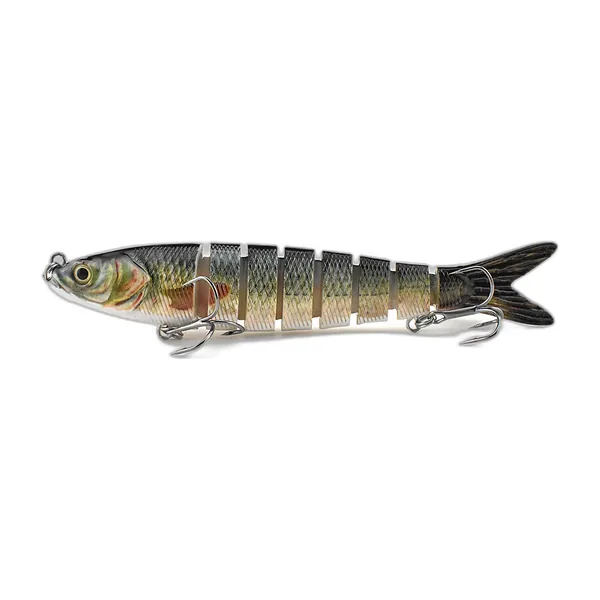 Hard Swimbaits 13.3 cm, Pack of 3
Suited to: Zander, Walleye, Wels catfish.
€29.90£15.90Not shipped to the United States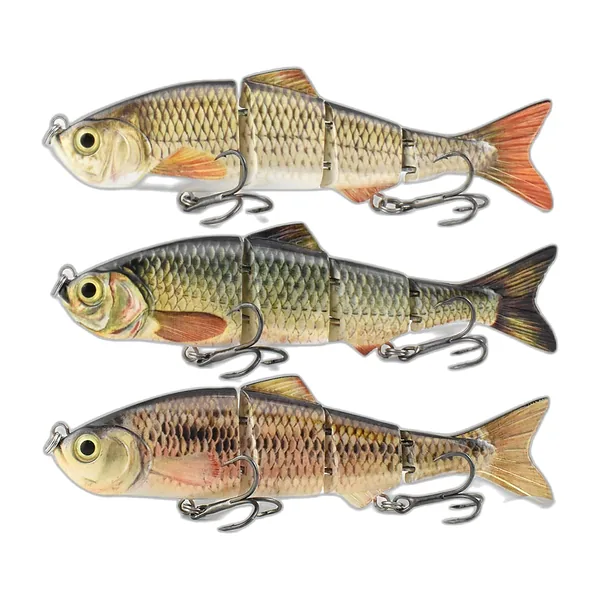 Jointed 4-Section Lure 12.5 cm, Sinking
Suited to: Zander, Walleye, Wels catfish.
€28.90£15.90Not shipped to the United States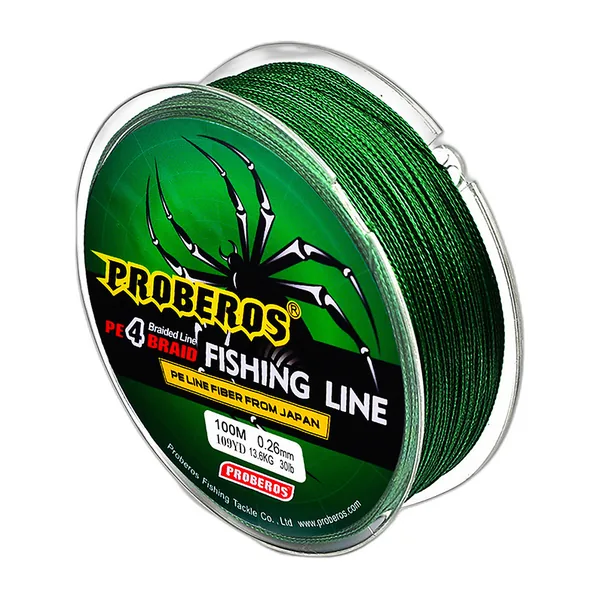 4-Strand Yellow PE Braid, 100 m
Suited to: Zander, Walleye.
€20.90£12.90Not shipped to the United States
Why fish at night
Several species are more active at dusk and after dark: carp, wels and channel catfish, zander, walleye and often bream and barbel. Žák (2021) showed that the timing of carp landings in angling competitions follows their assumed feeding rhythm, with peaks at dusk and during the night. Night sessions also offer quiet banks and less wary fish in summer, when days are hot and busy.
Rules first
This is the deciding factor. Rules vary enormously. In England and Wales, night fishing is generally allowed on many stillwaters and canals under fishery rules, but individual waters and clubs often restrict it. In France, night fishing is generally banned except for carp on designated stretches, and no carp caught at night may be kept. In North America, most states and provinces allow night fishing but may restrict certain methods, species or lights. Bivvies, vehicles and lighting may also be regulated. Always check the regulation page and the fishery rules before you set up.
Prepare in daylight
Scout the swim in daylight: bank, snags, depth, access and exit. Set up before dark and keep every item in the same place: net assembled, mat laid out, pliers and cutters in the same pocket. When a fish takes at 2 am, there is no time to search.
Light
A head torch with a red-light mode gives enough light to unhook a fish without dazzling. Never shine a beam into the water or at other anglers: it spooks fish and annoys everyone. Carry a spare torch. Bite alarms or small glow sticks on the rod tips let you see bites without light.
Safety
Falling in at night is far more dangerous. Avoid steep or slippery banks, wear a life jacket beside deep water or in a boat, carry a charged phone and tell someone where you are. Nights are cool and damp even in summer, so bring warm clothing.
Fish and the venue
Unhook quickly on a wet mat and release straight away rather than retaining fish until morning for a photo. Leave no litter: tolerance of night fishing depends partly on how anglers behave.
Quick checklist
Scout in daylight, pack a spare torch, keep net and mat ready, and double-check the local night-fishing rules before you set up.
The gear, item by item
- Head torch with a red-light mode, plus a spare
- Bite alarms or glow sticks on the rod tips
- Rod pod or stable rests
- Landing net set up within reach
- Unhooking mat
- Pliers and cutters always kept in the same place
- Life jacket on steep banks or in a boat
- Dry bag with warm clothes and a charged phone
Step by step
- Check that night fishing is allowed on this stretch and for this species.
- Scout the swim in daylight: bank, snags, depth, access.
- Set up before dark with everything within reach.
- Keep light to a minimum: red light, never shine into the water or at other anglers.
- Handle takes calmly with net and mat ready.
- Unhook and release quickly under the head torch.
- Take your litter home and leave no trace.
Common mistakes
- Night fishing where it is not allowed.
- Setting up in the dark without scouting.
- Shining lights into the water or at other anglers.
- Scattered kit, so pliers go missing when needed.
- Underestimating night cold and damp.
Rules to check before you go
- In France, night fishing is generally banned except for carp on designated stretches; check the local order.
- Other countries, regions and fisheries set their own hours and allowed species.
- Mandatory release of carp caught at night on some stretches.
- Whether bivvies, tents and vehicles are allowed at the water.
- Lighting and night boating rules.
Fishing regulations by country
Frequently asked questions
What is night fishing?
Night fishing means fishing after dark, usually for species that feed more at night, such as walleye, catfish, carp or large bass. It is legal in much of the US, but restricted in many other places: France allows only carp fishing at night on designated sections, and Oregon limits trout and salmon to daylight hours.
Night fishing, or overnight fishing when anglers stay through the night, is fishing between sunset and sunrise. Take Me Fishing says walleye catch rates are higher at night thanks to their night vision, and that species such as flathead catfish and walleye may seem absent by day but dominate after sunset, while large bass or brown trout may hit with confidence in the dark. FishBase describes the wels catfish as a nocturnal predator, and a study of carp angling competitions found catches peaking at dusk and at night (Žák 2021). What 'night' means legally depends on the rules. In France fishing is allowed from half an hour before sunrise to half an hour after sunset, and the prefect may allow carp fishing at any hour on designated second-category sections, where no carp may be kept at night. Oregon's rules define daylight hours for salmon, steelhead, trout, whitefish, sturgeon and shad as one hour before sunrise to one hour after sunset. Check your state or local regulations.
Official sources : Take Me Fishing (RBFF) – How to catch walleye at night ; Take Me Fishing (RBFF) – Night fishing trip: same place, different results ; FishBase – Silurus glanis (wels catfish) ; Žák 2021 – diel pattern in common carp landings from angling competitions, Fisheries Research ; French Environment Code, art. R436-6 to R436-16 (fishing hours, night carp fishing) ; Oregon Sport Fishing Regulations 2026 – general statewide regulations (ODFW)
Why go night fishing?
Anglers fish at night for less crowding, cooler temperatures and species that feed more after dark. Take Me Fishing notes walleye catch rates are higher at night, flathead catfish and walleye can dominate after sunset, and larger bass or brown trout may bite with more confidence. It is not always better, and it is not legal everywhere.
Take Me Fishing's night-fishing article gives three reasons: less fishing pressure and boat traffic, with cooler temperatures in summer; different fish, since larger bass or brown trout may lurk and hit with confidence and species such as flathead catfish and walleye become dominant after the sun drops; and the excitement of fishing in the dark, including topwater lures twitched on the surface. Its walleye guide explains that walleye have photosensitive eyes giving them excellent night vision, so catch rates are likely to be higher after sunset, and that they move into the shallows in the evening. Research on carp confirms a dusk and night peak in catches during angling competitions (Žák 2021), and FishBase describes wels catfish as nocturnal. Night fishing also brings more risk, so scout spots by day and bring lights. And it is not allowed everywhere: France allows only carp fishing at night on designated sections, and Oregon restricts salmon, trout and steelhead to daylight hours.
Official sources : Take Me Fishing (RBFF) – Night fishing trip: same place, different results ; Take Me Fishing (RBFF) – How to catch walleye at night ; Žák 2021 – diel pattern in common carp landings from angling competitions, Fisheries Research ; FishBase – Silurus glanis (wels catfish) ; French Environment Code, art. R436-6 to R436-16 (fishing hours, night carp fishing) ; Oregon Sport Fishing Regulations 2026 – general statewide regulations (ODFW)
Can you go fishing at night?
Often yes in the US, but it depends on the state, water and species: Oregon limits salmon, steelhead, trout, whitefish, sturgeon and shad to one hour before sunrise to one hour after sunset. In France only carp may be fished at night, on designated sections; Saarland in Germany restricts night angling by season.
There is no single rule. United States: many states allow night fishing, but each state agency sets its own limits. Oregon's 2026 regulations forbid angling for salmon, shad, steelhead, sturgeon, trout or whitefish outside daylight hours, defined as one hour before sunrise to one hour after sunset, and some Oregon ponds close at night. France: fishing is allowed from half an hour before sunrise to half an hour after sunset; the prefect may allow carp fishing at any hour on designated second-category sections, and carp caught at night cannot be kept or transported. Germany: there is no national ban, but Saarland bans night angling from 19:00 to 07:00 between November and March and from 23:00 to 05:00 between April and October, with exceptions; elsewhere club or lease rules decide. Switzerland: cantons such as St. Gallen and Basel-Landschaft restrict night fishing. Belgium: Wallonia allows night carp fishing with a C permit. Always check your permit and local rules.
Official sources : Oregon Sport Fishing Regulations 2026 – general statewide regulations (ODFW) ; Oregon Sport Fishing Regulations 2026 – Willamette zone (ODFW) ; French Environment Code, art. R436-6 to R436-16 (fishing hours, night carp fishing) ; Génération Pêche (FNPF) – rules to know 2026 ; Saarland – state fishing ordinance (LFO) ; Canton of St. Gallen – fishing ordinance (status 01.04.2026) ; Canton of Basel-Landschaft – fishing ordinance ; Wallonia – AGW of 19.10.2017 on fishing permits (SPW)
How do you fish at night?
Scout your spot in daylight, keep tackle simple, and bring a flashlight plus backups. Take Me Fishing suggests working walleye from 10 to 20 feet toward the shallows with minnow-tipped jigs or crankbaits, and telling someone where you are going. Check first that night fishing is legal there.
Take Me Fishing's advice for walleye at night gives a practical method. Locate spots during daylight, when you can see submerged structure, buoys and rocky shorelines, and mark them on GPS if fishing from a boat. Weed beds are among the best places, since baitfish gather there. Keep tackle simple, for example a 7-foot medium-action spinning rod with 10-pound monofilament. Start in 10 to 20 feet of water and gradually work toward areas 7 to 8 feet deep if nothing bites, using a 1/4 or 3/8-ounce minnow-tipped jig lifted about a foot off the bottom, or shallow-running minnow-imitating crankbaits. Its night-fishing blog adds safety: take a friend or tell someone where you are going, bring a flashlight and backups, use bug spray without getting it on your bait, and move and cast calmly. Carp anglers typically fish stationary rigs from the bank. Before going, check that night fishing is allowed on that water and for that species.
Official sources : Take Me Fishing (RBFF) – How to catch walleye at night ; Take Me Fishing (RBFF) – Night fishing trip: same place, different results ; Take Me Fishing (RBFF) – Fishing safety ; French Environment Code, art. R436-6 to R436-16 (fishing hours, night carp fishing)
Why is night fishing illegal in some places?
Night fishing is banned or limited in some places, such as France (apart from carp on designated sections), Saarland in Germany and several Swiss cantons. The laws rarely state their reasons. The French federation frames fishing rules as protecting fish stocks, and conditions like no carp kept at night point to anti-poaching and resource protection.
Where night fishing is illegal: France limits fishing to half an hour before sunrise to half an hour after sunset, with only carp allowed at night on sections designated by the prefect; Saarland bans night angling at set hours; St. Gallen and Basel-Landschaft restrict night fishing; Oregon limits salmon, steelhead, trout, whitefish, sturgeon and shad to daylight hours. Why: the texts we read do not explain their reasons, so we cannot give an official rationale. The French federation says fishing rules exist so that angling does not endanger fish stocks, protecting habitats and letting fish grow to their first spawning. The conditions attached to night carp fishing are telling: no carp may be kept or transported at night, and some local orders also ban live bait, dead fish, lures and catfish or eel fishing at night, which suggests concern for control and protection of stocks. Night carp fishing is largely practised as catch and release. Check your state or local rules.
Official sources : French Environment Code, art. R436-6 to R436-16 (fishing hours, night carp fishing) ; Génération Pêche (FNPF) – rules to know 2026 ; Paris and inner suburbs fishing federation – regulations ; Saarland – state fishing ordinance (LFO) ; Canton of St. Gallen – fishing ordinance (status 01.04.2026) ; Canton of Basel-Landschaft – fishing ordinance ; Oregon Sport Fishing Regulations 2026 – general statewide regulations (ODFW)
What time is best for fishing?
Take Me Fishing says fish generally prefer early morning and evening to bright midday sun, when surface water is warmer and fish go deeper. Avoid extreme temperatures; cloudy days, light rain and the hours before a cold front can increase feeding. Some species, such as walleye, bite best at night.
Take Me Fishing's guide to the best times to fish starts with temperature: fish are cold-blooded, and very high or very low water temperatures reduce oxygen and make fish less active, so avoid extremes. Light matters too: fish generally prefer early morning and evening sun to bright midday rays, when surface water is hotter and fish move deeper. Weather plays a role: wind pushes water and surface food to the far shore; feeding increases in the hours before a cold front and slows during and after it, except for a warm front that can trigger a feeding frenzy; cloudy days and light rain are often good. Fishing calendars based on weather, tide and moon phase, and local anglers at the bait shop, can refine your timing. Species differ: its walleye guide says catch rates are higher at night. Legal hours can override everything, since France and Oregon, for example, limit many species to daylight hours.
Official sources : Take Me Fishing (RBFF) – Best times to fish ; Take Me Fishing (RBFF) – How to catch walleye at night ; French Environment Code, art. R436-6 to R436-16 (fishing hours, night carp fishing) ; Oregon Sport Fishing Regulations 2026 – general statewide regulations (ODFW)
Where are the best night fishing spots near me?
We cannot locate spots near you. Take Me Fishing suggests trying your usual fishing places after dark, scouting them in daylight, and looking at weed beds, shallows and structure for walleye. Take Me Fishing's map and your state agency list public waters and whether night access is allowed.
Take Me Fishing's night-fishing blog recommends starting with your regular fishing holes after dark, where you will often find fewer people, and it points to its interactive map to find places to fish near you. Its walleye guide explains that walleye move into the shallows in the evening, so you can fish from the shoreline, a pier or a boat, and that weed beds are among the best places at night; it names Michigan, Minnesota, Wisconsin, North Dakota and South Dakota among the best states for night walleye. Scout any spot in daylight to see structure and hazards. Access hours matter: some parks, ponds and access points close at night, such as certain Oregon ponds in the Willamette zone, and some species may only be fished in daylight. In France, night fishing is limited to carp on sections listed by prefectoral order and on federation maps. Check your state agency's site before going.
Official sources : Take Me Fishing (RBFF) – Night fishing trip: same place, different results ; Take Me Fishing (RBFF) – How to catch walleye at night ; Oregon Sport Fishing Regulations 2026 – Willamette zone (ODFW) ; French Environment Code, art. R436-6 to R436-16 (fishing hours, night carp fishing)
What are the best lures for night fishing?
Take Me Fishing names minnow-imitating crankbaits and minnow-tipped jigs as two of the best choices for walleye at night, and notes topwater lures twitched on the surface can be very effective after dark for bass. Choose lures that create vibration or noise, and check that lures are allowed at night locally.
For walleye, Take Me Fishing says two of the best night lures are minnow-tipped jigs, 1/4 or 3/8 ounce and heavier in deeper water or current, fished by lifting about a foot off the bottom, and shallow-running minnow-imitating crankbaits, cast or trolled, which cover a large area; start around 20 feet deep and move toward the shallows. For bass, its night blog says topwater lures twitched along the surface can be a hoot, and its bass guide says topwater lures work best in low light and calm water. In dark or murky conditions, its bass guide adds that rattling crankbaits and Colorado-blade spinnerbaits help because fish rely more on their lateral line. Night lure fishing is not allowed everywhere: France permits only carp fishing at night on designated sections, and some French prefectoral orders explicitly ban lures at night; Oregon restricts salmon, steelhead and trout to daylight. Check local rules first.
Official sources : Take Me Fishing (RBFF) – How to catch walleye at night ; Take Me Fishing (RBFF) – Night fishing trip: same place, different results ; Take Me Fishing (RBFF) – Bass fishing lures ; French Environment Code, art. R436-6 to R436-16 (fishing hours, night carp fishing) ; Paris and inner suburbs fishing federation – regulations ; Oregon Sport Fishing Regulations 2026 – general statewide regulations (ODFW)
Can you go fishing at night in Oregon?
For some species only. Oregon's rules forbid angling for salmon, shad, steelhead, sturgeon, trout or whitefish outside daylight hours, one hour before sunrise to one hour after sunset. Other species, such as bass or catfish, may be fished at night unless local rules close the water, like some Willamette zone ponds.
Oregon's 2026 sport fishing regulations, published by ODFW, make it unlawful to angle for or take salmon, shad, steelhead, sturgeon, trout or whitefish except during daylight hours, defined as one hour before sunrise until one hour after sunset. Species not on that list, such as bass, panfish or catfish, are not covered by that statewide daylight rule, so night fishing for them is generally possible. Zone and water-specific rules can add restrictions: in the Willamette zone, some ponds are closed from one hour after sunset to one hour before sunrise, and park or access-point hours may also limit night use. Other statewide rules still apply at night, including the ban on using live fish as bait in fresh water and the one-rod limit unless you hold a Two-Rod Validation. Read the zone section of the regulations for the water you plan to fish, and contact ODFW if in doubt.
Official sources : Oregon Sport Fishing Regulations 2026 – general statewide regulations (ODFW) ; Oregon Sport Fishing Regulations 2026 – Willamette zone (ODFW)
Studies cited
- Žák (2021) Diel pattern in common carp landings from angling competitions corresponds to their assumed foraging activity Fisheries Research doi:10.1016/j.fishres.2021.106086
Shows that the timing of carp landings in competitions follows their assumed feeding rhythm, with marked activity at dusk and during the night.