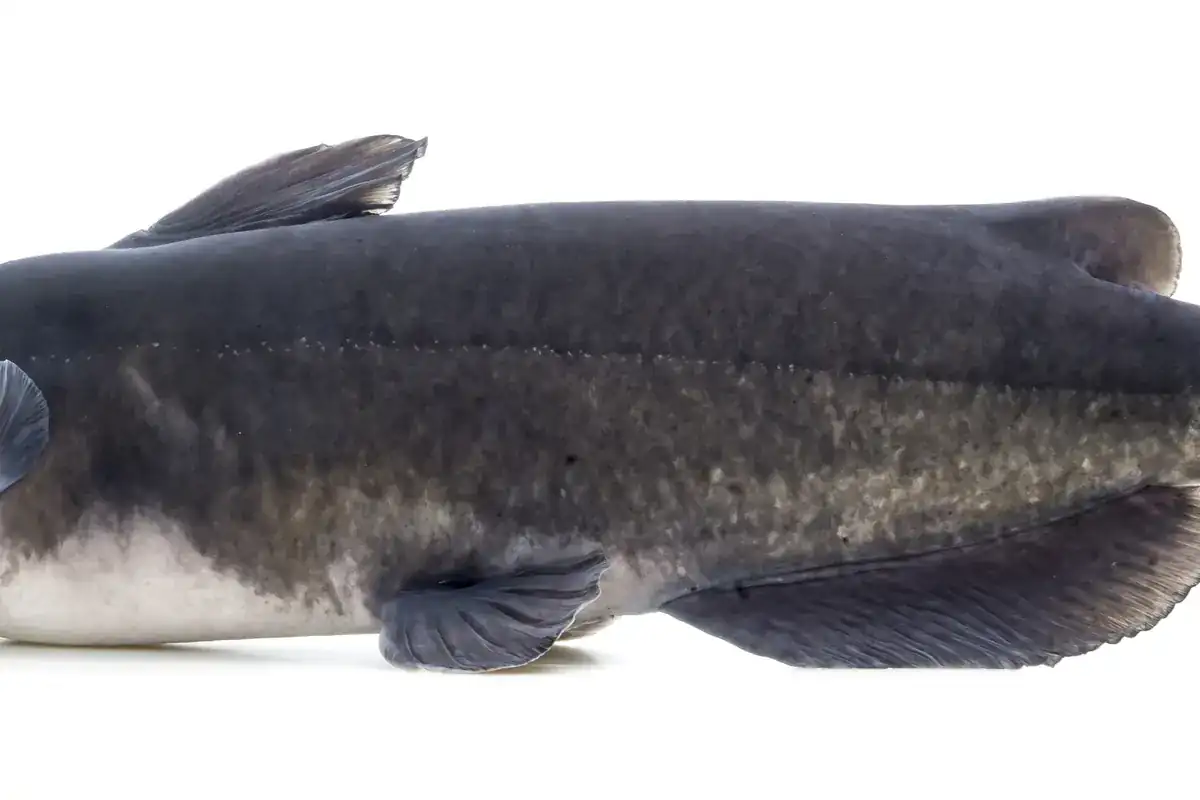
Channel catfish
Ictalurus punctatus
_white_background.jpg)
Related gear
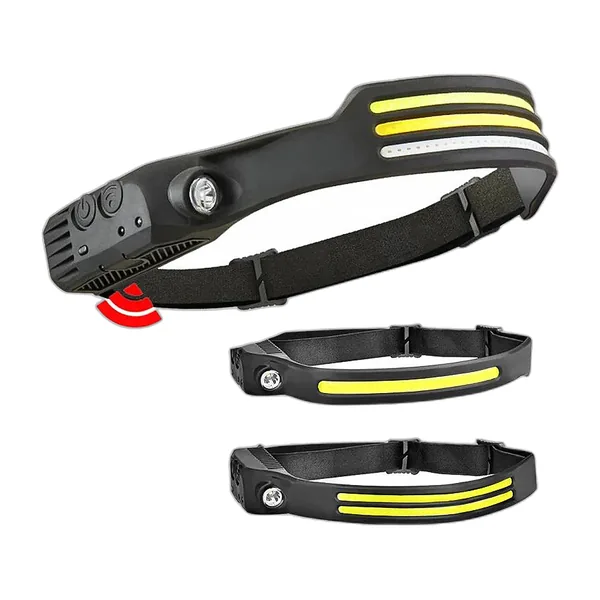 Rechargeable Motion-Sensor Headlamp
For : common carp, wels catfish, zander · night fishing
€27.90£13.90Not shipped to the United States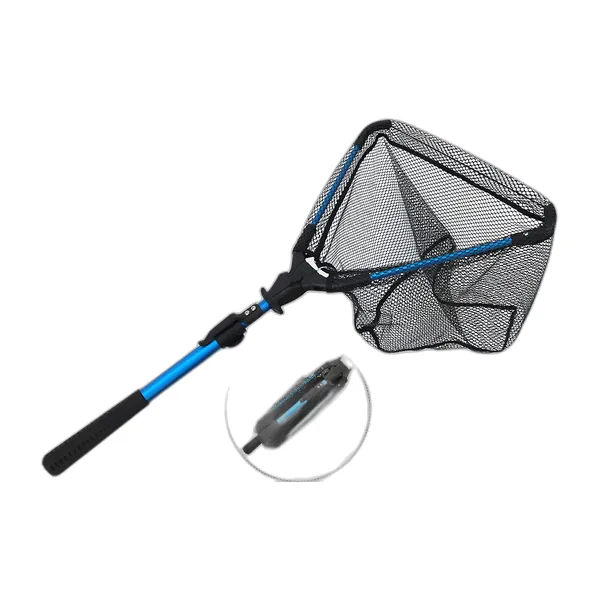 Responsible gearFolding Triangle Landing Net, Aluminium
For : northern pike, zander, walleye · float fishing (waggler and stick float)
€37.90£18.90Not shipped to the United States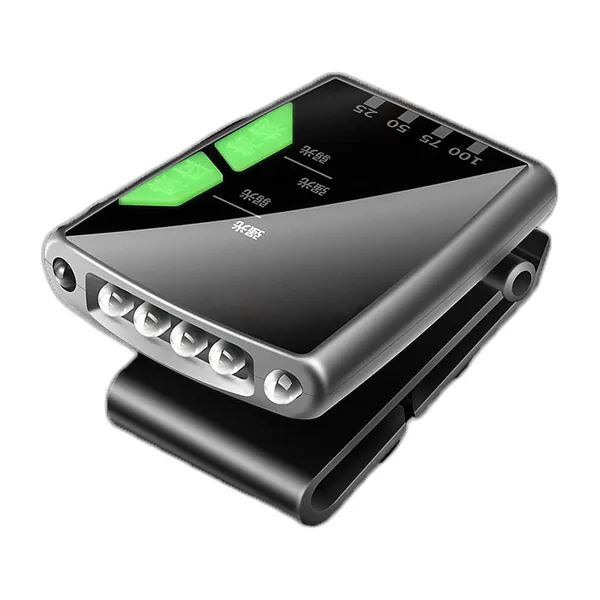 Rechargeable Cap-Clip Light with Motion Sensor
For : common carp, wels catfish, zander · night fishing
€26.90£13.90Not shipped to the United States
North America's favourite catfish
The channel catfish is one of the most widely fished species in North America. You can recognise it by its forked tail, whisker-like barbels and, in young fish, small dark spots. FishBase describes it in lakes and in deep pools and runs over sand or rock in small to large rivers. It prefers clean, well-oxygenated water but also thrives in ponds and reservoirs, where it is often stocked. It is also a major aquaculture species.
What they eat
Channel catfish eat mainly small fish, crayfish, clams and snails, plus aquatic insects and even small mammals (FishBase). A highly developed sense of smell explains why scented baits work so well: cut bait, chicken livers, stinkbaits and dough baits.
Sizes
Common length is 57 cm (22.4 in) standard length; the maximum published is 132 cm (52 in) and 26.3 kg (58 lb), with a maximum age of 24 years (FishBase).
Summer spawning
Depending on latitude, channel catfish spawn from April to July when the water reaches 27-28 °C (81-82 °F). The pair uses a cavity or dug depression, and the male guards the eggs, which hatch in 3-8 days (FishBase). Closed seasons are rare; states mostly set daily limits, some with limits on trophy-size fish. Check the regulation page for your state or province.
When and how
Channel cats are warm-water fish: late spring to early autumn, at dusk and after dark, and especially after a rise in water level that washes food in. From the bank or a boat, fish on the bottom with a sliding sinker rig in holes, current seams and below snags. A float works in cover-choked areas. Big fish often come on fresh cut bait.
Handling and release
The pectoral and dorsal spines are sharp: grip the fish by sliding your hand behind them. Muoneke and Childress (1994) reviewed hooking mortality in recreational fisheries in general; no channel-catfish-specific study was verified for this page. Cooke and Suski (2004) assessed circle hooks, which tend to hook fish in the corner of the mouth: a good choice for bait fishing if you release.
Lures and baits
- Cut bait where legal
- Chicken livers
- Nightcrawlers and stinkbaits
- Crayfish
- Dough baits
Catch and release
- Circle hooks tend to hook in the corner of the mouth (Cooke and Suski 2004).
- Mind the sharp pectoral and dorsal spines when handling.
- Support the belly and keep photos quick.
Minimum size for Channel catfish by area
United States : 30.5 cm (1)
| Michigan | 30.5 cm |
Studies cited
- Muoneke & Childress (1994) Hooking mortality: A review for recreational fisheries Reviews in Fisheries Science doi:10.1080/10641269409388555
General review of hooking mortality in recreational fisheries (no channel-catfish-specific study was verified for this page). - Cooke & Suski (2004) Are circle hooks an effective tool for conserving marine and freshwater recreational catch‐and‐release fisheries? Aquatic Conservation: Marine and Freshwater Ecosystems doi:10.1002/aqc.614
Assesses whether circle hooks reduce injury in catch-and-release fisheries, marine and freshwater: relevant to bait fisheries such as catfishing.
Official sources
- FishBase – Ictalurus punctatus (fiche espèce ; statut IUCN Red List 2025-2 repris par FishBase) (accessed on 23 September 2026)