Common bream
Abramis brama
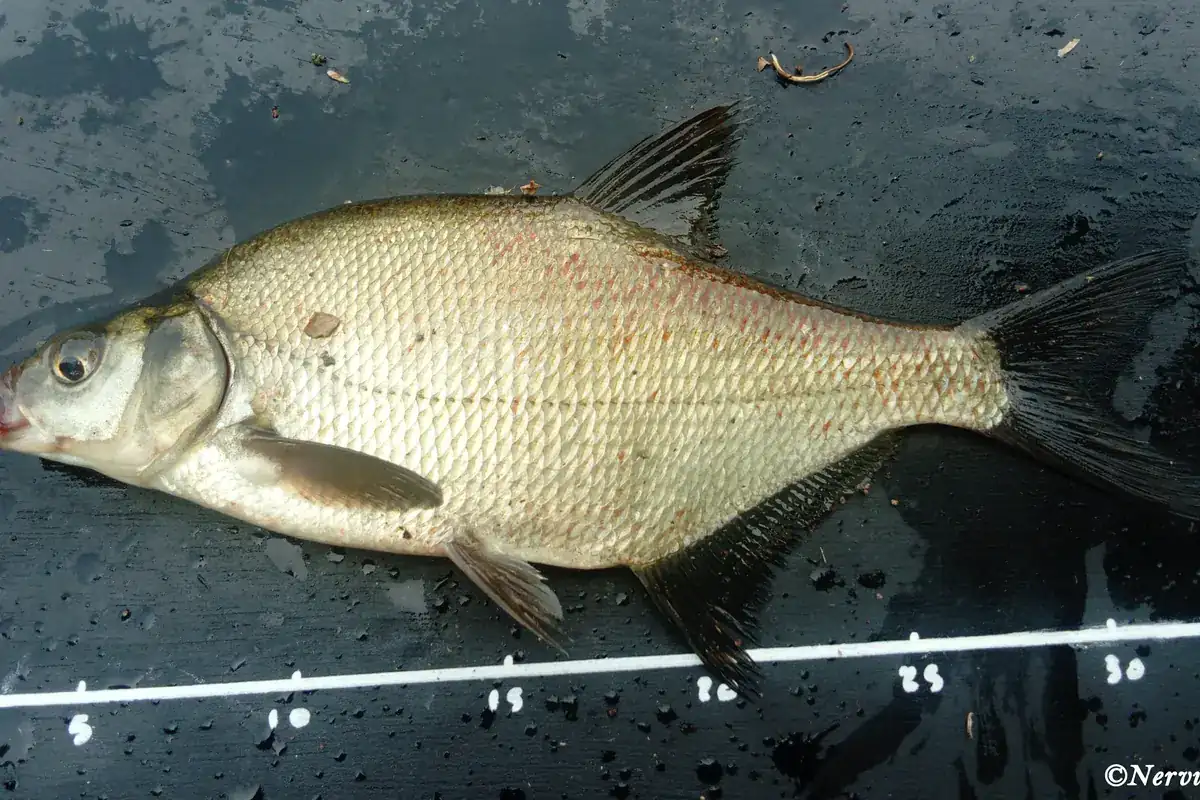
.jpg)
season calendar
Closed months recorded (share of areas closing the species that month) — 7 areas.
Related gear
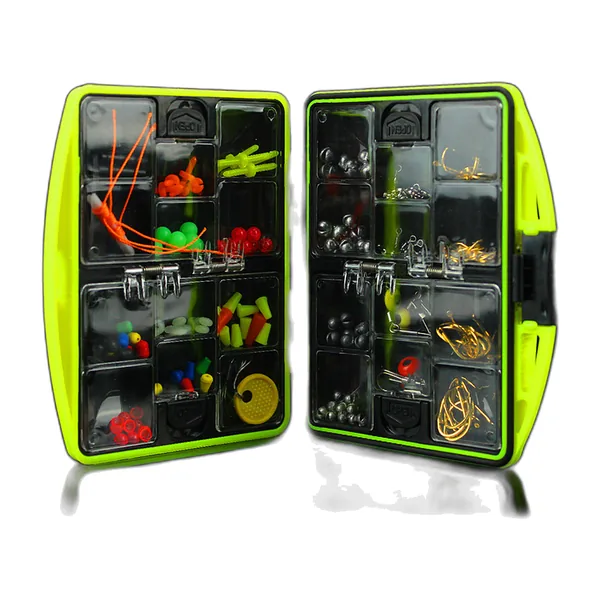 Rigging Accessory Assortment, 184 Pieces
For : roach, common bream, common carp · float fishing (waggler and stick float)
€27.90£13.90Not shipped to the United States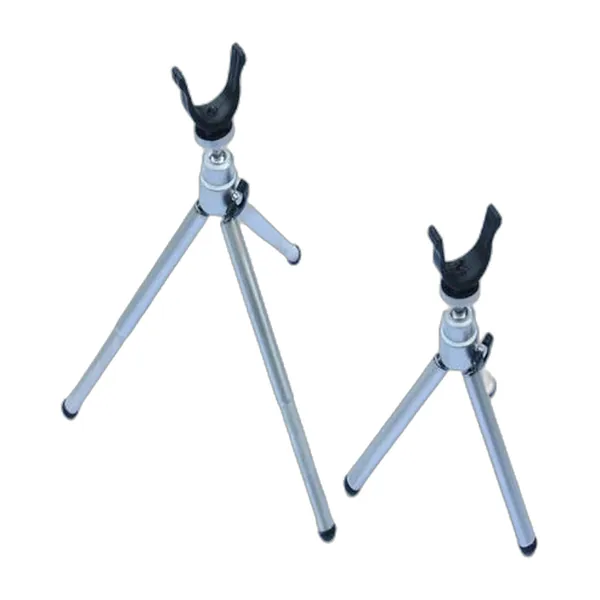 Small Folding Aluminium Rod Tripods, Pack of 2
For : common carp, common bream, tench · feeder fishing
€26.90£13.90Not shipped to the United States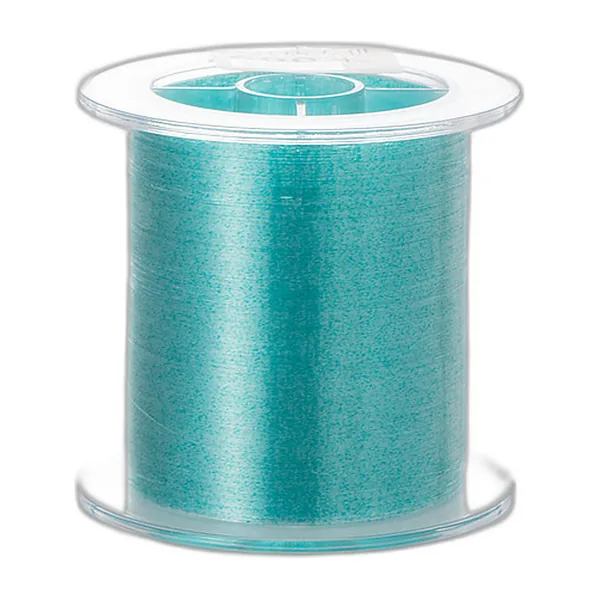 Camouflage Nylon Line, Light Blue, 1,000 m
For : roach, common bream, common carp · float fishing (waggler and stick float)
€30.90£14.90Not shipped to the United States
What gear do you need for common bream?
A shoal fish
Common bream live in lakes and medium to large rivers, especially in backwaters, slow lower reaches, brackish estuaries and warm, shallow lakes (FishBase). Adults travel in large shoals in still and slow water, so when you catch one, others usually follow. Patches of fine bubbles and coloured water at the surface show a shoal rooting on the bottom.
What they eat
Bream eat insects, especially chironomid larvae (bloodworm), small crustaceans, molluscs and plants. FishBase notes they can filter-feed on plankton when it is abundant and that large fish sometimes take small fish. Kakareczko (2001) described their diet, growth and condition in a Polish reservoir. The practical takeaway: a rich groundbait that holds a shoal over one patch of bottom is the key.
Sizes
Common length is 25 cm (9.8 in); the maximum published is 82 cm (32.3 in) and 6 kg (13.2 lb), with a maximum age of 23 years (FishBase). Do not confuse common bream with silver bream (Blicca bjoerkna), a smaller species with reddish paired fins, or with young "skimmer" bream.
Spawning and seasons
Bream spawn in spring in backwaters, floodplains and densely vegetated shores; some populations migrate long distances, and they often hybridise with roach (FishBase). In England and Wales, the river coarse close season (15 March-15 June) applies; most stillwaters stay open. From late spring to autumn, bream feed best in the evening, at night where permitted, and at dawn.
Methods
The feeder is the go-to method: a cage or method feeder filled with rich, sticky groundbait, cast to exactly the same spot every time, holds the shoal. Pole and waggler tackle work well on closer shoals. Baits: bloodworm and joker, maggots, sweetcorn, pellets and chopped worm.
Handling
Bream carry a thick protective slime: handle them with wet hands and never lay them on dry ground. In matches, where big bream weights are common, Pottinger (1998) is a reminder that keepnet retention causes stress: use a long, uncrowded net and release fish promptly.
Tackle checklist
A 10-12 ft feeder rod with a sensitive quivertip, 4-6 lb mainline, size 14-18 hooks and a selection of cage and method feeders cover most bream fishing. Bring a large landing net: a big bream is broad and heavy.
Lures and baits
- Bloodworm, joker, maggots
- Sweetcorn, pellets
- Chopped worm
- Heavy, sticky groundbait
Catch and release
- Use a decent-sized net; handle bream with wet hands to protect their slime.
- Long, uncrowded keepnet for short periods (Pottinger 1998).
- Disgorger for deep hooks.
Frequently asked questions
What is the best bait for bream?
For European bream, the Canal & River Trust recommends hook baits such as maggots, casters, worms and sweetcorn, on tackle a little sturdier than for roach. No source names a single best bait. In the US, 'bream' usually means bluegill, which Take Me Fishing says takes insects, minnows, jigs and flies.
European bream (Abramis brama): the Canal & River Trust advises that tackle can be a little sturdier than for roach, and that good hook baits include maggots, casters, worms and even sweetcorn. Its natural diet includes bloodworms, midge larvae, pea mussels, worms and planktonic animals (Canal & River Trust). FishBase adds insects, particularly chironomids, small crustaceans, molluscs and plants, noting that bream can also filter-feed on plankton. No official source ranks baits, so we do not name one best bait. Bream feed in shoals at the bottom, so baits presented on or near the bottom, with groundbait or loose feed to hold the shoal, fit their behaviour. In England and Wales, the river close season for coarse fish runs from 15 March to 15 June. Only small coarse fish up to 20 cm may be taken from rivers, 15 a day at most. United States: in the South, 'bream' commonly refers to bluegill and other sunfish. Take Me Fishing lists flies, jigs, insects and minnows for bluegill. Panfish limits are set by states, for example 20 sunfish a day in Minnesota.
Official sources : Canal & River Trust — Bream (freshwater fish species) ; FishBase — Abramis brama (species summary) ; GOV.UK — Freshwater rod fishing rules: when and where you can fish ; GOV.UK — Freshwater rod fishing rules: fish size and catch limits ; Take Me Fishing (RBFF) — Bluegill ; Minnesota DNR — 2026 fishing regulations
What do bream eat?
European bream feed on the bottom on insect larvae (especially midge larvae), small crustaceans, molluscs and plants, and can filter plankton; large ones sometimes eat small fish (FishBase). The Canal & River Trust lists bloodworms, midge larvae, pea mussels, worms and planktonic animals. US 'bream' (bluegill) eat insects and small fish.
FishBase describes the diet of Abramis brama as insects, particularly chironomid (midge) larvae, small crustaceans, molluscs and plants. It adds that bream can filter-feed on plankton and that large individuals sometimes eat small fish; larvae and juveniles feed on plankton in still water. The Canal & River Trust lists bloodworms, midge larvae, pea mussels, worms and planktonic animals. It says bream form large shoals that swim slowly to feed on small invertebrates on the bed of the canal, and feed much more confidently in coloured water. This bottom-feeding explains why anglers use baits such as maggots, casters, worms and sweetcorn on or near the bottom, often with groundbait (Canal & River Trust). In the United States, 'bream' is a regional name for bluegill and other sunfish. Take Me Fishing lists flies, jigs, insects and minnows as baits and lures for bluegill, reflecting a diet of insects and small prey. These are different species from the European bream, with different habitats and rules.
Official sources : FishBase — Abramis brama (species summary) ; Canal & River Trust — Bream (freshwater fish species) ; Take Me Fishing (RBFF) — Bluegill
What is the best lure for bream?
European bream are bottom-feeding shoal fish and are caught with bait (maggots, casters, worms, sweetcorn), not lures, according to the Canal & River Trust. If you mean US 'bream' (bluegill), Take Me Fishing lists small jigs and flies, and fly fishing for bluegill is popular. No source names one best lure.
For the European bream (Abramis brama), official sources describe bait fishing only. The Canal & River Trust recommends maggots, casters, worms and sweetcorn, and FishBase describes a diet of insect larvae, small crustaceans, molluscs and plankton. Bream sometimes eat small fish when large (FishBase), but we found no source recommending lures for them, so we do not name one. In the United States, 'bream' commonly means bluegill and other sunfish. Take Me Fishing lists flies, jigs, insects and minnows for bluegill. It notes that fly fishing for bluegill has become increasingly popular and that light-tackle anglers find it one of the best action fish, ounce for ounce. Small jigs and flies are therefore the documented artificial options for bluegill. No agency ranks specific lures. Sunfish limits are set by each state, for example 20 sunfish a day in Minnesota, or 50 panfish in Delaware with no more than 25 of one species. In England and Wales, remember the river close season for coarse fish (15 March to 15 June).
Official sources : Canal & River Trust — Bream (freshwater fish species) ; FishBase — Abramis brama (species summary) ; Take Me Fishing (RBFF) — Bluegill ; Minnesota DNR — 2026 fishing regulations ; Delaware DNREC — Non-tidal season, size and creel limits (eRegulations) ; GOV.UK — Freshwater rod fishing rules: when and where you can fish
How big do bream get?
FishBase gives European bream a common length of 25 cm and a maximum of 82 cm and 6 kg, with a maximum age of 23 years. The Canal & River Trust lists a usual size of 30-40 cm and 1-5 lb, and a British record of 10.291 kg (22 lb 11 oz). Small bream are called skimmers.
Reference figures for Abramis brama: FishBase lists a common length of 25 cm, a maximum published length of 82 cm, a maximum weight of 6 kg and a maximum reported age of 23 years. In Britain, the Canal & River Trust gives a typical size of 30-40 cm and 1-5 lb and a lifespan of 15-20 years. It lists a British record of 10.291 kg (22 lb 11 oz), above the FishBase weight maximum. The Trust notes that small bream are often called skimmers, and that bream can sometimes grow large enough to attract specimen anglers. Bream are deep-bodied, with a high back and flattened sides, dark brown or greyish on the back, younger fish being more silvery. FishBase adds that bream often hybridise with roach, which can make identification harder. Size rules: in England and Wales, only coarse fish up to 20 cm may be taken from rivers (15 a day). Some countries set minimum sizes, such as 25 cm in Burgenland (Austria). US 'bream' (bluegill) are much smaller sunfish.
Official sources : FishBase — Abramis brama (species summary) ; Canal & River Trust — Bream (freshwater fish species) ; GOV.UK — Freshwater rod fishing rules: fish size and catch limits ; Burgenland (Austria) — Fischereiverordnung (minimum sizes)
How long do bream live?
FishBase gives a maximum reported age of 23 years for European bream, and the Canal & River Trust lists a typical lifespan of 15-20 years. Bream grow slowly, and juveniles kept in backwaters can mature at a smaller size, according to FishBase.
For Abramis brama, FishBase lists a maximum reported age of 23 years. The Canal & River Trust gives a lifespan of 15-20 years for bream in British waters. FishBase describes their life history: larvae and juveniles live in still water bodies and feed on plankton. At one to two years old, juveniles move from backwaters into rivers to feed. Where they cannot leave backwaters, they adapt but grow more slowly and mature at a smaller size. Some populations migrate long distances upriver to spawn, and males often defend spawning territories along shorelines. The Canal & River Trust notes the spawning season from May to June, when males develop white or yellow tubercles on the head and body. Spawning takes place in dense weeds in shallow water once temperatures exceed 12 °C. Because they are long-lived shoal fish, a water's bream population can be dominated by a few age classes; careful handling of released fish helps. Avoid keeping them long in keepnets: keepnet retention raises stress indicators in carp (Pottinger 1998), and some waters limit keepnet use.
Official sources : FishBase — Abramis brama (species summary) ; Canal & River Trust — Bream (freshwater fish species) ; Pottinger 1998, Changes in blood cortisol, glucose and lactate in carp retained in anglers’keepnets, Journal of Fish Biology
What time of day do bream bite?
The Canal & River Trust says the best time to catch a feeding shoal of bream on canals is early morning or late evening, when boat traffic has subsided. Bream also feed more confidently in coloured water. For US 'bream' (bluegill), no agency source gives a best time.
The Canal & River Trust's fisheries and angling manager states that the optimal time to catch a feeding shoal of bream is early morning or late evening, when boat traffic levels have subsided. It also notes that bream feed much more confidently in coloured water and do well in heavily boated canals, such as the Shropshire Union, Kennet & Avon, Grand Union and Oxford canals. Bream travel in large shoals (FishBase), so bites often come in spells when a shoal moves onto your feed. No other official source gives hours, so we do not go further. Legal hours: the national byelaws for England do not set daily fishing hours, but individual fisheries and permits may. Seasons: in England and Wales, rivers are closed to coarse fishing from 15 March to 15 June, while most canals and stillwaters stay open. In the United States, where 'bream' usually means bluegill, Take Me Fishing notes they are easy to catch, but gives no best time of day.
Official sources : Canal & River Trust — Bream (freshwater fish species) ; FishBase — Abramis brama (species summary) ; GOV.UK — Freshwater rod fishing rules: when and where you can fish ; Canal & River Trust — Coarse fishing close season ; Take Me Fishing (RBFF) — Bluegill
What size bream can you keep?
In England and Wales there is no minimum size for bream, but on rivers you may take only small coarse fish up to 20 cm, 15 per day, so larger bream must be returned; on stillwaters you need the owner's permission. In the US, 'bream' (bluegill/sunfish) limits are set by states, such as 20 sunfish a day in Minnesota.
England: GOV.UK sets a daily limit on rivers of up to 15 small coarse fish of the listed native species, each up to 20 cm; the list includes common bream and silver bream. Any bream longer than 20 cm must be returned on rivers. On stillwaters and canals, you may remove fish only with the owner's permission, usually shown in the fishery rules or on the ticket. Wales applies equivalent rules (NRW). These limits apply subject to the owner's permission, who may set tighter rules; many coarse fisheries are catch-and-release. Elsewhere in Europe, some regions set minimum sizes, for example 25 cm in Burgenland (Austria) and 30 cm in Carinthia. United States: 'bream' generally means bluegill and other sunfish, and limits are set by each state. Minnesota allows 20 sunfish a day, and Delaware 50 panfish, no more than 25 of one species. Check your state regulations. If you release bream, avoid long keepnet retention, which raises stress indicators in carp (Pottinger 1998).
Official sources : GOV.UK — Freshwater rod fishing rules: fish size and catch limits ; Natural Resources Wales — Minimum fish size and catch limits ; Burgenland (Austria) — Fischereiverordnung (minimum sizes) ; Carinthia (Austria) — Fischereiverordnung (minimum sizes) ; Minnesota DNR — 2026 fishing regulations ; Delaware DNREC — Non-tidal season, size and creel limits (eRegulations) ; Pottinger 1998, Changes in blood cortisol, glucose and lactate in carp retained in anglers’keepnets, Journal of Fish Biology
At what temperature do bream spawn?
The Canal & River Trust says bream spawn from May to June in dense weeds in shallow water once temperatures are over 12 °C. FishBase notes some populations migrate upriver to spawn and males defend territories along the shore. US 'bream' (bluegill) spawning temperatures are not given in our sources.
For the European bream (Abramis brama), the Canal & River Trust states that the spawning season runs from May to June. Males develop numerous white or yellow spawning tubercles on the head and front of the body. Spawning takes place in dense weeds in shallow water when temperatures are over 12 °C. FishBase adds that spawning happens in spring in backwaters, floodplains and densely vegetated lake shores. Some populations undertake long upriver migrations, around 100 km in the Dnieper, and many start migrating in autumn. Males often defend spawning territories along shorelines, eggs are sticky, and bream frequently form fertile hybrids with roach. These spawning weeks fall inside the coarse fish close season on English and Welsh rivers (15 March to 15 June), which protects spawning fish. In the United States, where 'bream' usually refers to bluegill and other sunfish, we did not find a spawning temperature in our official sources, so we do not give one.
Official sources : Canal & River Trust — Bream (freshwater fish species) ; FishBase — Abramis brama (species summary) ; GOV.UK — Freshwater rod fishing rules: when and where you can fish
What water temperature do bream like?
FishBase lists a temperature range of 10-24 °C for European bream, which favours warm, shallow lakes and slow lower river reaches. The Canal & River Trust says they spawn above 12 °C. No official source gives a single preferred temperature.
FishBase's environment data for Abramis brama give a temperature range of 10-24 °C. It describes bream as most abundant in backwaters, lower parts of slow-flowing rivers, brackish estuaries and warm, shallow lakes, where adults travel in large shoals. The Canal & River Trust notes that spawning takes place when temperatures exceed 12 °C, from May to June, and that bream feed more confidently in coloured water. No agency or study in our sources gives an optimum feeding temperature, so we do not state one. For anglers, temperature matters mostly for handling: a review shows that warm water increases stress and mortality of released fish (Gale et al. 2011). In hot weather, land fish quickly, avoid long keepnet retention and return them promptly. In the United States, where 'bream' often means bluegill, our sources do not give a temperature range for that species.
Official sources : FishBase — Abramis brama (species summary) ; Canal & River Trust — Bream (freshwater fish species) ; Gale et al. 2011, The role of temperature in the capture and release of fish, Fish and Fisheries
How do you catch bream?
Find a shoal and hold it with feed. The Canal & River Trust says bream live in shoals, often in wider and deeper sections such as winding holes. Fish early morning or late evening with maggots, casters, worms or sweetcorn on slightly sturdier tackle than for roach. Respect the river close season (15 March to 15 June).
The Canal & River Trust gives canal advice that applies widely. Bream are present in most canals but not everywhere, perhaps a shoal every few hundred yards. Wider and deeper sections such as winding holes and junctions are hotspots, and bream feed more confidently in coloured water. The best time for a feeding shoal is early morning or late evening, when boat traffic has subsided. Tackle can be a little sturdier than for roach; good hook baits are maggots, casters, worms and sweetcorn. In a winding hole, boaters turning their craft have priority, and you may need to remove your keepnet. FishBase explains the behaviour: bream travel in large shoals and feed on insect larvae, small crustaceans, molluscs and plankton near the bottom. Rules in England and Wales: coarse fish in rivers may not be fished from 15 March to 15 June, and you need a rod licence and permission. On rivers, only small coarse fish up to 20 cm may be taken (15 a day). In the United States, 'bream' usually means bluegill: Take Me Fishing suggests still fishing, drift fishing or fly fishing with insects, minnows, jigs or flies near weed beds, docks and shallow shorelines.
Official sources : Canal & River Trust — Bream (freshwater fish species) ; FishBase — Abramis brama (species summary) ; GOV.UK — Freshwater rod fishing rules: when and where you can fish ; GOV.UK — Freshwater rod fishing rules: fish size and catch limits ; GOV.UK — Buy a fishing licence ; Take Me Fishing (RBFF) — Bluegill
When is the best time to fish for bream?
In England and Wales, bream in rivers can only be fished from 16 June to 14 March; canals and most stillwaters are open all year. The Canal & River Trust says early morning and late evening are the best times for a feeding shoal. Bream spawn from May to June above 12 °C.
Legal calendar: in England, rivers, streams, drains, most stillwater SSSIs, some canals and the Broads are closed to coarse fishing from 15 March to 15 June inclusive (GOV.UK). Most enclosed stillwaters and canals are open all year, with listed canal exceptions (Canal & River Trust). In Wales, coarse fish in rivers are open from 16 June to 14 March, while stillwaters and canals have no close season except certain SSSIs (NRW). Scotland has no close time for coarse fish. Timing within the season: the Canal & River Trust says the optimal time to catch a feeding shoal of bream is early morning or late evening, when boat traffic has subsided, and that bream feed more confidently in coloured water. Biology: bream spawn from May to June in dense shallow weed when water exceeds 12 °C (Canal & River Trust), a period largely covered by the river close season. No source names a best month, so we do not. For US 'bream' (bluegill and other sunfish), seasons and limits are set by each state, for example 20 sunfish a day in Minnesota.
Official sources : GOV.UK — Freshwater rod fishing rules: when and where you can fish ; Canal & River Trust — Coarse fishing close season ; Natural Resources Wales — Non-migratory trout, charr, coarse fish and eels open seasons ; Scottish Government — Recreational fishing ; Canal & River Trust — Bream (freshwater fish species) ; Minnesota DNR — 2026 fishing regulations
Minimum size for Common bream by area
Austria : 25–30 cm (8)
| Burgenland | 25 cm |
| Kärnten | 30 cm |
| Niederösterreich | 25 cm |
| Oberösterreich | 25 cm |
| Steiermark | 25 cm |
| Tirol | 25 cm |
| Vorarlberg | 25 cm |
| Wien | 30 cm |
Slovenia : 30 cm (1)
Studies cited
- Kakareczko (2001) The diet, growth and condition of common bream, Abramis brama (L.) in Włocławek Reservoir Acta Ichthyologica et Piscatoria doi:10.3750/aip2001.31.2.04
Describes the diet, growth and condition of common bream in a Polish reservoir. - Pottinger (1998) Changes in blood cortisol, glucose and lactate in carp retained in anglers’keepnets Journal of Fish Biology doi:10.1111/j.1095-8649.1998.tb01828.x
Measures stress markers in fish (carp) held in keepnets: relevant to match fishing for bream.
Official sources
- FishBase – Abramis brama (fiche espèce ; statut IUCN Red List 2025-2 repris par FishBase) (accessed on 23 September 2026)
- Sportvisunie – VISpas (Gezamenlijke Lijst van Nederlandse Viswateren, VISplanner, NachtVIStoestemming) (accessed on 23 September 2026)
- Vlaamse overheid – Visverlof (verplicht voor recreatief vissen op de openbare binnenwateren van het Vlaamse Gewest) (accessed on 23 September 2026)
- ICNF – Licenças de pesca lúdica e desportiva em águas interiores (licença geral obrigatória, exceto parques de pesca) (accessed on 23 September 2026)