Brown trout
Salmo trutta
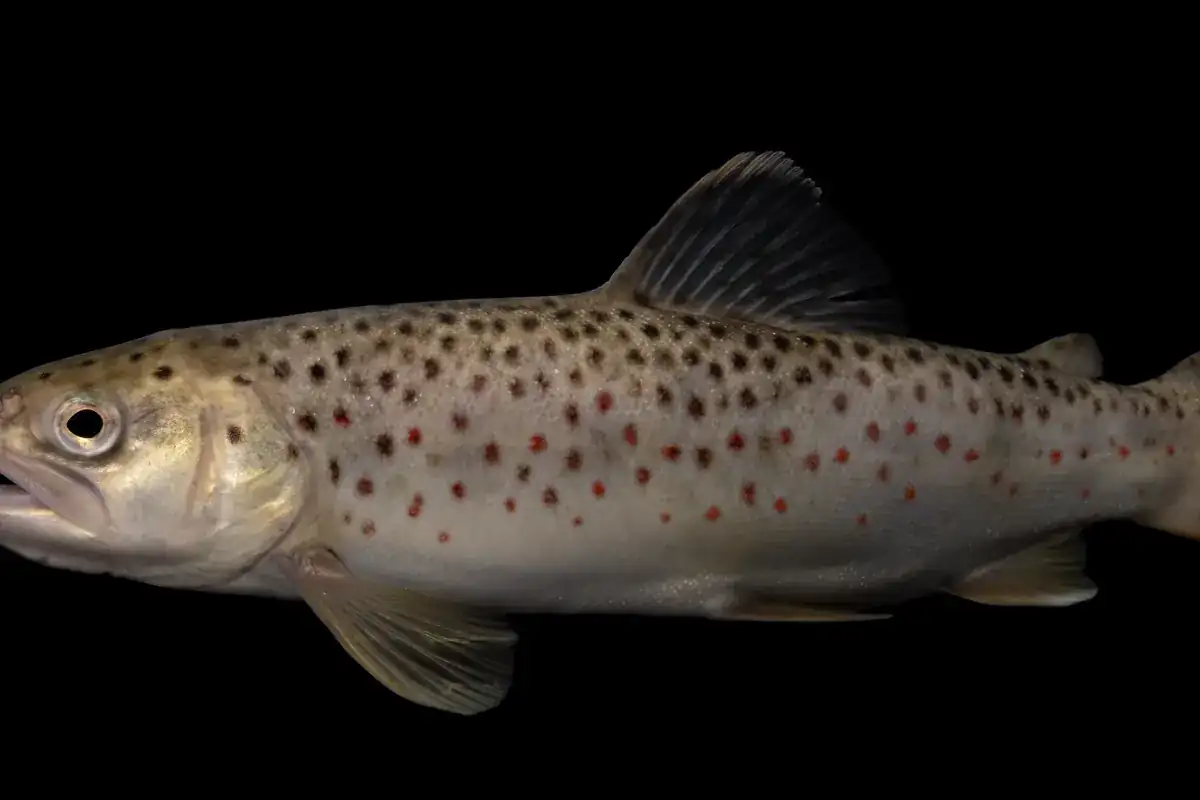
.jpg)
Related gear
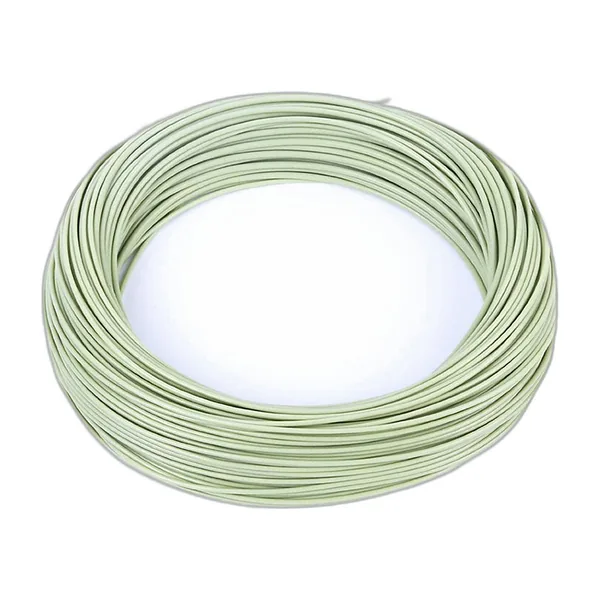 Floating weight-forward fly line, 30 m
Suited to: Brown trout.
€27.90£13.90Not shipped to the United States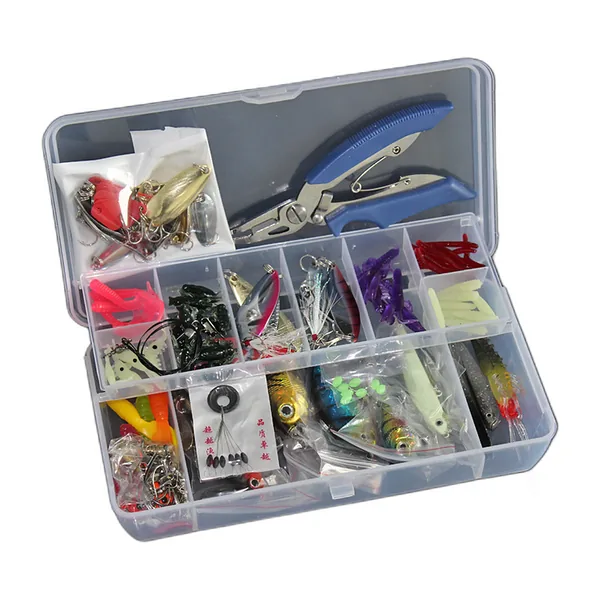 132-Piece Lure and Tackle Box
Suited to: Brown trout.
€51.90£29.90Not shipped to the United States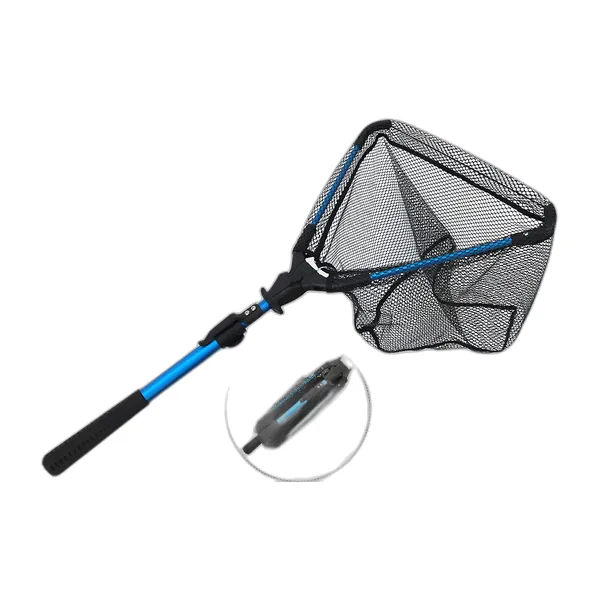 Folding Triangle Landing Net, Aluminium
Suited to: Brown trout.
€37.90£18.90Not shipped to the United States
What gear do you need for brown trout?
One species, several lives
Salmo trutta includes resident brown trout in small streams, lake trout (in the European sense) and sea trout, which spend part of their life at sea. According to FishBase, migratory fish spend 1-5 years in fresh water and 6 months to 5 years at sea. That is why the published sizes look huge: common length 72 cm (28.3 in), maximum published 140 cm (55 in) and 50 kg (110 lb), maximum age 38 years. Those figures are driven by migratory forms; a resident stream trout stays far smaller.
Brown trout were introduced to North America in the late 19th century and now support major fisheries there, managed by state and provincial agencies.
What trout need
Brown trout like cold, well-oxygenated water with cover: boulders, undercut banks and overhanging vegetation (FishBase). They are mainly active by day. Juveniles eat aquatic and terrestrial insects; adults add molluscs, crustaceans and small fish. In rivers, trout hold station facing the current to intercept drifting food, the core idea of Neveu's (1999) chapter on feeding strategy. The practical point: a fly or bait that drifts naturally, without drag, catches far more.
Why rivers close in winter
Brown trout spawn in autumn and early winter on gravel in flowing water, where the female cuts a redd; fry stay in the gravel for weeks after hatching. Winter closures protect spawners and eggs, as described in the life-history review by Klemetsen and colleagues (2003). In the UK, seasons are set by the Environment Agency, Natural Resources Wales and Scottish rules; in North America by each state or province. Check the regulation page for your water, and never wade across redds.
Methods
Fly fishing, dry flies during hatches and nymphs the rest of the time, is the most refined approach. Size 0-2 inline spinners and small minnows cover water quickly. Where bait is allowed, a drifted worm is deadly in coloured water. Many beats require single barbless hooks or ban bait, so read the rules.
Releasing trout
DuBois and Dubielzig (2004) compared injury and mortality by hook type in wild stream trout caught on spinners. Single barbless hooks, a rubber net and keeping the fish in the water are the winning combination. In summer heat, stop fishing during the warmest hours.
Lures and baits
- Dry flies and nymphs matching the hatch
- Size 0-2 inline spinners
- Small minnows 3-7 cm (1-3 in)
- Worms and larvae where bait is permitted
Catch and release
- Single barbless hooks (often mandatory on catch-and-release beats).
- Rubber-mesh net; keep the fish in the water.
- Avoid fishing during summer heat waves: trout recover poorly in warm water.
- Do not wade over redds in autumn and winter.
Frequently asked questions
When is the best time of year to fish for trout?
Legally, trout can only be fished in the open season, which varies by place: in Scotland brown trout are open 15 March to 6 October; in Wales most rivers open 3 March to 30 September; many US states open streams in spring. Enclosed stillwaters stocked with rainbows are often open all year.
Start with the calendar, because it varies widely. Scotland: brown trout may be fished from 15 March to 6 October, everywhere in the country. Wales: brown trout in most rivers from 3 March to 30 September, with 1 April to 30 September in West Wales rivers. In Wales, rainbow trout have no close season on stillwaters. England: river trout seasons are set by regional byelaws, while most enclosed stillwaters and canals are open all year for rainbow and brown trout. United States, 2026 examples: California streams open the last Saturday in April and close on November 15, with lakes open all year. In New York, inland streams are open from April 1 to October 15. Pennsylvania's statewide opening day was April 4, 2026. Minnesota streams ran from April 11 to September 30, 2026. Within the season, biology matters. Brown trout spawn in autumn and early winter (FishBase), which is why so many rivers close then. Rainbow trout are usually not stocked where summer water exceeds 25 °C (FishBase), so hot midsummer spells are poor. Seasons and limits differ by country, state and water, so always check the current local regulations.
Official sources : Scottish Government — Recreational fishing ; Natural Resources Wales — Non-migratory trout, charr, coarse fish and eels open seasons ; GOV.UK — Freshwater rod fishing rules: when and where you can fish ; California Department of Fish and Wildlife — 2026 freshwater sport fishing regulations ; New York State DEC — Statewide seasons, sizes and catch limits ; Pennsylvania Fish and Boat Commission — 2026 fishing summary ; Minnesota DNR — 2026 fishing regulations ; FishBase — Salmo trutta (species summary) ; FishBase — Oncorhynchus mykiss (species summary)
When does trout season start?
It depends on where you fish. Scotland's brown trout season opens on 15 March. In Wales most rivers open on 3 March (1 April in West Wales). In England, river seasons follow regional byelaws, and many stillwaters are open all year. In the US, 2026 openers included April 4 in Pennsylvania and April 25 in Michigan.
There is no single trout opening day. Scotland: the annual close time for brown trout runs from 7 October to 14 March, so the season opens on 15 March everywhere (Scottish Government). Wales: brown trout and Arctic charr in most rivers open on 3 March, rivers in the West Wales Fisheries District on 1 April. A few lakes listed in the byelaws also open on 3 March, and other stillwaters on 20 March (Natural Resources Wales). England: river seasons for brown and rainbow trout follow regional byelaws, while most enclosed stillwaters and canals have no close season (GOV.UK). United States, 2026 examples from state agencies: Pennsylvania's statewide opening day was April 4, 2026 at 8 a.m. Michigan's trout opener was April 25, 2026 (the last Saturday in April). New York inland streams open on April 1, and Minnesota streams opened on April 11, 2026. California streams open on the last Saturday in April. Some states, such as Georgia and Colorado, keep designated trout waters open year-round. Each state sets its own rules, and special regulations on individual waters can differ from the statewide opener.
Official sources : Scottish Government — Recreational fishing ; Natural Resources Wales — Non-migratory trout, charr, coarse fish and eels open seasons ; GOV.UK — Freshwater rod fishing rules: when and where you can fish ; Pennsylvania Fish and Boat Commission — 2026 fishing summary ; Michigan DNR — 2026 fishing regulations ; New York State DEC — Statewide seasons, sizes and catch limits ; Minnesota DNR — 2026 fishing regulations ; California Department of Fish and Wildlife — 2026 freshwater sport fishing regulations ; Georgia DNR Wildlife Resources Division — Game species daily limits (eRegulations) ; Colorado Parks and Wildlife — 2026-27 fishing brochure
What time of day do trout bite?
There is no official best hour. FishBase describes brown trout as mainly diurnal feeders on insects and small fish, so they feed in daylight; many waters also limit fishing hours. Watch for insect hatches and rising fish, and avoid the warmest part of summer days, when stress rises for any fish you release.
No agency publishes a best time of day for trout, so we do not give one. What the sources say: FishBase describes the brown trout as mainly diurnal. Juveniles eat aquatic and terrestrial insects, and adults eat molluscs, crustaceans and small fish. The Canal & River Trust notes that brown trout often take flying insects from the surface, which is why anglers watch for hatches and rising fish. Rainbow trout feed on aquatic and terrestrial invertebrates and small fish (FishBase), and the Canal & River Trust describes them as aggressive predators. Water temperature matters: rainbows are usually not stocked where summer water exceeds 25 °C (FishBase). A review of catch-and-release shows warm water increases stress and mortality (Gale et al. 2011), so on hot days the cooler hours are kinder to fish you release. Legal hours can also apply. In the UK, the national byelaws do not set daily hours for trout, but many fisheries and permits do. Some US waters restrict hours; Hawaii's Kōkeʻe trout area, for example, is fished only from 6 a.m. to 6 p.m.
Official sources : FishBase — Salmo trutta (species summary) ; Canal & River Trust — Brown trout (freshwater fish species) ; FishBase — Oncorhynchus mykiss (species summary) ; Canal & River Trust — Rainbow trout (freshwater fish species) ; Gale et al. 2011, The role of temperature in the capture and release of fish, Fish and Fisheries ; Hawaii DLNR — 2026 Kōkeʻe rainbow trout season
What do trout eat?
Trout eat mainly invertebrates and small fish. FishBase says young brown trout eat aquatic and terrestrial insects, while adults also eat molluscs, crustaceans and small fish; rainbow trout eat a wide range of invertebrates and small fish. The Canal & River Trust notes brown trout often take flying insects from the surface.
Brown trout: FishBase states that juveniles feed on aquatic and terrestrial insects, while adults eat molluscs, crustaceans and small fish, and that they are mainly diurnal. The Canal & River Trust lists caddis flies, larvae and other small fish in their diet. It describes the brown trout as a fast, active predator that hunts invertebrates and small fish, often taking flying insects off the water's surface. Rainbow trout: FishBase says they feed on a variety of aquatic and terrestrial invertebrates and small fish, and at sea (steelhead form) on fish and squid. For anglers, this explains the classic methods. Flies imitate insects at different stages (larvae, nymphs, emergers, adults). Small lures imitate fish, and natural baits such as worms and insects work where they are allowed. Take Me Fishing lists flies, jigs and insects for brown trout, and cured fish roe, insects, flies and jigs for rainbow trout. Bait rules vary. In England, crayfish may not be used as bait. Many US trout waters are restricted to artificial lures or flies, for example California streams outside the general season, where artificial barbless lures are required.
Official sources : FishBase — Salmo trutta (species summary) ; Canal & River Trust — Brown trout (freshwater fish species) ; FishBase — Oncorhynchus mykiss (species summary) ; Take Me Fishing (RBFF) — Brown Trout ; Take Me Fishing (RBFF) — Rainbow Trout ; GOV.UK — Freshwater rod fishing rules: fish size and catch limits ; California Department of Fish and Wildlife — 2026 freshwater sport fishing regulations
Can you eat trout?
Yes. Trout are widely eaten, and FishBase lists rainbow trout as a food fish used fresh, smoked and frozen. You may only keep trout that meet local rules: in Wales brown trout must be at least 23 cm, and US states set daily limits such as 5 trout in California, New York or Pennsylvania.
Trout are food fish. FishBase notes that rainbow trout are cultured in many countries and used fresh, smoked, canned and frozen. Whether you may keep a wild or stocked trout depends on the rules where you fish. Wales: the minimum size for brown trout is 23 cm (21 cm in the Gwynedd District, with special limits in the upper Severn), and rainbow trout have no size limit (NRW). England: size and bag limits for trout come from regional byelaws and fishery rules. Scotland has no national licence, but you need the permission of the owner of the fishing rights. United States, 2026 examples: California allows 5 trout a day. New York allows 5, with only 2 longer than 12 inches. Pennsylvania allows 5 a day in the regular season, 7 inches minimum. Connecticut introduced a 9-inch statewide minimum in 2026. Kentucky requires 16 inches for brown trout. Many waters are catch-and-release only, especially wild-trout streams and delayed-harvest sections. Health advisories on eating fish exist in some places: check your state or local health agency before eating fish from a particular water.
Official sources : FishBase — Oncorhynchus mykiss (species summary) ; Natural Resources Wales — Minimum fish size and catch limits ; GOV.UK — Freshwater rod fishing rules: fish size and catch limits ; Scottish Government — Recreational fishing ; California Department of Fish and Wildlife — 2026 freshwater sport fishing regulations ; New York State DEC — Statewide seasons, sizes and catch limits ; Pennsylvania Fish and Boat Commission — 2026 fishing summary ; Connecticut DEEP — 2026 angler's guide ; Kentucky Department of Fish and Wildlife Resources — 2026-27 fishing guide
How do you catch trout?
Trout are caught by fly fishing, by spinning with small lures, or with natural bait where it is allowed. Brown trout are wary: Take Me Fishing calls them one of the most difficult trouts to catch. Approach quietly, fish likely lies such as undercut banks and boulders, and follow local rules on methods and hooks.
Methods cited by official sources: fly fishing and bait casting (Take Me Fishing), with flies, jigs and insects for brown trout. For rainbow trout, it adds cured fish roe. The Canal & River Trust notes that maggots and worms catch trout easily, but many anglers prefer fly fishing. Where to cast: FishBase describes brown trout favouring cold, well-oxygenated water with cover such as submerged rocks, undercut banks and overhanging vegetation. Take Me Fishing lists outsides of bends, boulder pockets, drop-offs, merging currents and current edges. Take Me Fishing warns that brown trout are one of the most difficult trouts to catch and may be spooked by the bait or fly; a stealthy approach matters. Rules: many waters limit methods. Some rivers are fly-only, and in England you may use only 1 rod for trout on rivers and 2 on lakes and reservoirs. Crayfish are banned as bait there. US examples: California streams outside the general season allow only artificial barbless lures, and Georgia delayed-harvest streams require artificial lures and a single hook from November 1 to May 14. Barbless or single hooks reduce injury when releasing trout (DuBois and Dubielzig 2004; DuBois and Kuklinski 2004).
Official sources : Take Me Fishing (RBFF) — Brown Trout ; Take Me Fishing (RBFF) — Rainbow Trout ; Canal & River Trust — Rainbow trout (freshwater fish species) ; FishBase — Salmo trutta (species summary) ; GOV.UK — Freshwater rod fishing rules: fish size and catch limits ; California Department of Fish and Wildlife — 2026 freshwater sport fishing regulations ; Georgia DNR Wildlife Resources Division — Game species daily limits (eRegulations) ; DuBois & Dubielzig 2004, Effect of Hook Type on Mortality, Trauma, and Capture Efficiency of Wild Stream Trout Caught by Angling with Spinners, North American Journal of Fisheries Management ; DuBois & Kuklinski 2004, Effect of Hook Type on Mortality, Trauma, and Capture Efficiency of Wild, Stream-Resident Trout Caught by Active Baitfishing, North American Journal of Fisheries Management
What is the best bait for trout?
No official source names a single best bait. Natural foods work: the Canal & River Trust says maggots and worms catch trout easily, and Take Me Fishing lists insects for brown trout and cured fish roe and insects for rainbows. Many waters ban bait altogether, so check whether fly or lure only rules apply.
Official sources describe what trout eat and what catches them, not a single best bait. Trout eat insects, other invertebrates and small fish (FishBase). The Canal & River Trust says maggots and worms will catch trout easily. Take Me Fishing lists insects for brown trout, and cured fish roe and insects for rainbow trout. Research on released fish matters if you use bait. Trout caught on natural bait are more often hooked deeply, and hooking mortality of bait-caught rainbow trout has been measured in Idaho (Schill 1996). Another study compared mortality of rainbow trout caught on scented artificial baits (Schisler and Bergersen 1996). Hook type also changes injury rates for bait-caught stream trout (DuBois and Kuklinski 2004). If you intend to release fish, set the hook quickly and consider barbless hooks. Rules often decide for you. Many trout waters are fly-only or artificial-lures-only. In England, crayfish may not be used as bait. In the US, special regulations such as California's winter stream rules (artificial barbless lures only) or delayed-harvest streams restrict bait.
Official sources : FishBase — Salmo trutta (species summary) ; Canal & River Trust — Rainbow trout (freshwater fish species) ; Take Me Fishing (RBFF) — Brown Trout ; Take Me Fishing (RBFF) — Rainbow Trout ; Schill 1996, Hooking Mortality of Bait-Caught Rainbow Trout in an Idaho Trout Stream and a Hatchery: Implications for Special-Regulation Management, North American Journal of Fisheries Management ; Schisler & Bergersen 1996, Postrelease Hooking Mortality of Rainbow Trout Caught on Scented Artificial Baits, North American Journal of Fisheries Management ; DuBois & Kuklinski 2004, Effect of Hook Type on Mortality, Trauma, and Capture Efficiency of Wild, Stream-Resident Trout Caught by Active Baitfishing, North American Journal of Fisheries Management ; GOV.UK — Freshwater rod fishing rules: fish size and catch limits ; California Department of Fish and Wildlife — 2026 freshwater sport fishing regulations
What is the best lure for trout?
No official source names one best lure. Spinners, small spoons, small plugs and jigs all catch trout; Take Me Fishing lists jigs and flies for brown and rainbow trout. A study of wild trout caught on spinners found hook type affects injury and mortality, so single barbless hooks are kinder if you release fish.
Trout feed on insects and small fish (FishBase), so lures imitating small fish and flies imitating insects both work. Take Me Fishing lists flies and jigs for brown trout, and jigs and flies (with insects and cured roe as bait) for rainbow trout. The Canal & River Trust notes that many anglers target trout with fly tactics. No agency ranks lures, so we do not name one best lure. A US field study on wild stream trout caught with in-line spinners compared single and treble hooks. It found hook type influences mortality, trauma and capture efficiency (DuBois and Dubielzig 2004), useful if you release trout. Choose lure size and weight to reach the depth where fish hold without snagging, and fish likely lies such as current edges, boulder pockets and undercut banks (Take Me Fishing). Rules: some waters are fly-only. Others require artificial lures only (for example California streams outside the general trout season, with barbless hooks) or single hooks, as on Georgia's delayed-harvest streams from November 1 to May 14. In England you may use only 1 rod for trout on rivers.
Official sources : FishBase — Salmo trutta (species summary) ; Take Me Fishing (RBFF) — Brown Trout ; Take Me Fishing (RBFF) — Rainbow Trout ; Canal & River Trust — Rainbow trout (freshwater fish species) ; DuBois & Dubielzig 2004, Effect of Hook Type on Mortality, Trauma, and Capture Efficiency of Wild Stream Trout Caught by Angling with Spinners, North American Journal of Fisheries Management ; California Department of Fish and Wildlife — 2026 freshwater sport fishing regulations ; Georgia DNR Wildlife Resources Division — Game species daily limits (eRegulations) ; GOV.UK — Freshwater rod fishing rules: fish size and catch limits
How big do trout get?
It varies hugely with form and habitat. FishBase gives brown trout a maximum of 140 cm and 50 kg, figures that include sea-run and lake fish; river trout are far smaller. The British rod-caught records listed by the Canal & River Trust are 31 lb 12 oz for brown trout and 33 lb 4 oz for rainbow trout.
Brown trout: FishBase lists a common length of 72 cm and a maximum published length of 140 cm, weight 50 kg and age 38 years. These values include migratory sea-trout and large lake forms; resident stream trout are much smaller. The Canal & River Trust gives a typical size of 80 cm and 22 lb for large fish, a lifespan of 15-20 years and a British record of 31 lb 12 oz. Rainbow trout: FishBase gives a common length of 60 cm and a maximum of 123 cm, 25.9 kg and 11 years; the largest are sea-run steelhead. The Canal & River Trust lists a British record rainbow of 33 lb 4 oz (British Record Committee, 2015) and a lifespan of 4-6 years. Growth depends on food, temperature and whether fish migrate to lakes or the sea. Minimum sizes for keeping trout are set locally: 23 cm for brown trout in Wales, 9 inches statewide in Connecticut from 2026, 7 inches in Pennsylvania inland waters. Many wild-trout waters are catch-and-release only.
Official sources : FishBase — Salmo trutta (species summary) ; Canal & River Trust — Brown trout (freshwater fish species) ; FishBase — Oncorhynchus mykiss (species summary) ; Canal & River Trust — Rainbow trout (freshwater fish species) ; Natural Resources Wales — Minimum fish size and catch limits ; Connecticut DEEP — 2026 angler's guide ; Pennsylvania Fish and Boat Commission — 2026 fishing summary
Why do trout die so easily?
Trout need cold, well-oxygenated water, so heat and low oxygen stress them quickly; FishBase notes rainbows are not stocked where summer water exceeds 25 °C. After capture, exhaustion, air exposure and deep hooking add up: studies show brief air exposure harms exhausted rainbow trout and warm water raises post-release mortality.
Several documented factors explain it. Habitat: FishBase describes brown trout as preferring cold, well-oxygenated upland waters. Rainbow trout are usually not stocked where summer temperatures exceed 25 °C or in ponds with very low oxygen. When water warms or oxygen falls, trout are stressed. Capture: a study found that even a brief air exposure after exhaustive exercise has measurable physiological effects on rainbow trout, supporting the advice to keep fish in the water (Ferguson and Tufts 1992). A review shows that high water temperature increases stress and mortality of released fish (Gale et al. 2011). Hooking: fish caught on natural bait are more often hooked deeply. Hooking mortality of bait-caught rainbow trout has been measured in Idaho (Schill 1996), and hook type changes injury and mortality in stream trout (DuBois and Kuklinski 2004; DuBois and Dubielzig 2004). A general review of hooking mortality links deep hooking to higher death rates (Muoneke and Childress 1994). Practical steps from these sources: fish in cooler conditions, land fish quickly and unhook them in the water. Use barbless or single hooks, cut the line on a swallowed hook, and avoid handling with dry hands.
Official sources : FishBase — Salmo trutta (species summary) ; FishBase — Oncorhynchus mykiss (species summary) ; Ferguson & Tufts 1992, Physiological Effects of Brief Air Exposure in Exhaustively Exercised Rainbow Trout (Oncorhynchus mykiss): Implications for "Catch and Release" Fisheries, Canadian Journal of Fisheries and Aquatic Sciences ; Gale et al. 2011, The role of temperature in the capture and release of fish, Fish and Fisheries ; Schill 1996, Hooking Mortality of Bait-Caught Rainbow Trout in an Idaho Trout Stream and a Hatchery: Implications for Special-Regulation Management, North American Journal of Fisheries Management ; DuBois & Kuklinski 2004, Effect of Hook Type on Mortality, Trauma, and Capture Efficiency of Wild, Stream-Resident Trout Caught by Active Baitfishing, North American Journal of Fisheries Management ; DuBois & Dubielzig 2004, Effect of Hook Type on Mortality, Trauma, and Capture Efficiency of Wild Stream Trout Caught by Angling with Spinners, North American Journal of Fisheries Management ; Muoneke & Childress 1994, Hooking mortality: A review for recreational fisheries, Reviews in Fisheries Science
What size trout can you keep?
It depends on local rules. In Wales brown trout must be at least 23 cm (21 cm in Gwynedd) and rainbows have no minimum. In England sizes come from regional byelaws and fishery rules. US 2026 examples: 9 inches in Connecticut, 7 inches in Pennsylvania, 8 inches in Washington and Oregon rivers.
Great Britain: in Wales, Natural Resources Wales sets a minimum size of 23 cm for brown trout (21 cm in the Gwynedd District). The upper Severn area has 15 cm in the upper reaches and 20 cm elsewhere, and there is no size limit for rainbow trout. In England, minimum sizes for trout come from regional byelaws and the rules of each fishery; the national catch limits on GOV.UK do not set a single trout size. Scotland has no national trout size limit; rules are set by the owner of the fishing rights. United States (2026 regulations): Connecticut introduced a statewide 9-inch trout minimum. Pennsylvania requires 7 inches on inland waters. Washington requires 8 inches in rivers and streams, with no minimum in lakes, and Oregon's Willamette Zone 8 inches. Indiana requires 7 inches on streams. Kentucky requires 16 inches for brown trout, and Maine 12 inches for rainbow trout on lakes. Many states, such as Texas and Tennessee, set no statewide trout minimum. Special waters often have their own rules, including catch-and-release only or slot limits. Measure from snout to the fork of the tail in England, and check how your state measures.
Official sources : Natural Resources Wales — Minimum fish size and catch limits ; GOV.UK — Freshwater rod fishing rules: fish size and catch limits ; GOV.UK — National rod fishing byelaws for England ; Scottish Government — Recreational fishing ; Connecticut DEEP — 2026 angler's guide ; Pennsylvania Fish and Boat Commission — 2026 fishing summary ; Washington Department of Fish & Wildlife — Statewide freshwater species rules (eRegulations) ; Oregon Department of Fish and Wildlife — Willamette Zone regulations (eRegulations) ; Indiana DNR — 2026-27 fishing guide ; Kentucky Department of Fish and Wildlife Resources — 2026-27 fishing guide ; Maine IFW — Statewide fishing laws ; Texas Parks and Wildlife — Freshwater bag and length limits 2026-27 ; Tennessee Wildlife Resources Agency — Statewide limits (eRegulations)
Where can I fish for trout near me?
Use official finders. In Britain, the Canal & River Trust offers a fishery search by town or postcode, and the Environment Agency, NRW and Scottish rights holders sell or point to permits. In the US, state fish and wildlife agencies publish stocked trout waters and maps. You also need a licence and the owner's permission.
We cannot know your location, so here is where official information lives. England and Wales: you need an Environment Agency rod licence (valid in both nations) plus permission from the owner of the fishing, usually a club or fishery. The Canal & River Trust provides a fishery search by town or postcode and notes that rainbow trout are stocked in some of its reservoirs, such as Tringford. Scotland: there is no national licence, but you need written permission from the rights holder. United States: each state agency publishes where trout are, often with stocking schedules and maps. Take Me Fishing describes brown trout as found across the Great Lakes area and in the Appalachians. It adds high-gradient streams of the Mississippi drainage and every state west of Texas and Nebraska. Rainbow trout have been introduced across much of the US and the lower Canadian provinces. Look for waters described as stocked, wild or delayed-harvest, and read their rules. Good lies in any water, according to Take Me Fishing, include outsides of bends, undercuts, boulder pockets, drop-offs and current edges.
Official sources : Canal & River Trust — Where to fish ; Canal & River Trust — Rainbow trout (freshwater fish species) ; GOV.UK — Buy a fishing licence ; Scottish Government — Recreational fishing ; Take Me Fishing (RBFF) — Brown Trout ; Take Me Fishing (RBFF) — Rainbow Trout
Why won't trout bite?
Official sources point to a few causes: water that is too warm or low in oxygen (rainbows are not stocked above 25 °C), wary fish (Take Me Fishing says brown trout are often spooked by bait or fly), and presentations that don't match what trout are eating. No source can guarantee a cure.
No agency or study gives a single reason why trout stop biting, so we list only documented factors. Temperature and oxygen: trout are cold-water fish. FishBase notes brown trout prefer cold, well-oxygenated upland water, and rainbows are usually not stocked where summer temperatures exceed 25 °C or oxygen is very low. Warm, low-oxygen conditions reduce activity and increase stress. Wariness: Take Me Fishing describes the brown trout as one of the most difficult trouts to catch. It is sometimes spooked by the bait or fly, and at other times simply ignores it, so a careful, hidden approach helps. Food: trout eat invertebrates and small fish (FishBase), and the Canal & River Trust notes that brown trout often take insects from the surface. A presentation that does not match the current food, depth or drift may be refused. Pressure and stocking: stocked fish are often caught quickly after release, and catch rates can fall as fish are removed or learn. Season: brown trout spawn in autumn and early winter, and many rivers close then. We cannot quantify these effects without further sources; try another depth, size or method within the rules.
Official sources : FishBase — Salmo trutta (species summary) ; FishBase — Oncorhynchus mykiss (species summary) ; Take Me Fishing (RBFF) — Brown Trout ; Canal & River Trust — Brown trout (freshwater fish species)
What water temperature do trout like?
Trout are cold-water fish. FishBase lists a temperature range of 10-24 °C for rainbow trout and notes they are usually not stocked where summer water exceeds 25 °C; brown trout prefer cold, well-oxygenated water and tolerate less warmth than rainbows. No official source gives a single ideal temperature.
FishBase gives a temperature range of 10-24 °C for rainbow trout (from its environment data). It notes the species is usually not stocked in water reaching summer temperatures above 25 °C or in ponds with very low oxygen. It also reports that rainbows do not establish breeding populations where water does not fall below 13 °C, or where fry emergence meets floods and cold summers. For brown trout, FishBase states a preference for cold, well-oxygenated upland waters. It adds that their tolerance limits are lower than those of rainbow trout; we do not quote its brown trout range because the reference is an aquarium source. The Canal & River Trust describes brown trout as fish of well-oxygenated, faster-flowing rivers and streams. For anglers, warm water matters for released fish: a review shows that high temperatures increase stress and mortality after catch-and-release (Gale et al. 2011). In hot spells, fish early in the day, shorten fights and keep fish in the water. Some fisheries close or advise against fishing during heat waves; follow local notices.
Official sources : FishBase — Oncorhynchus mykiss (species summary) ; FishBase — Salmo trutta (species summary) ; Canal & River Trust — Brown trout (freshwater fish species) ; Gale et al. 2011, The role of temperature in the capture and release of fish, Fish and Fisheries
Why do trout look like salmon?
Because they are close relatives. Brown trout (Salmo trutta) and Atlantic salmon (Salmo salar) belong to the same genus and to the salmonid family, which all have a small adipose fin. Take Me Fishing notes that brown trout closely resemble Atlantic salmon, and the Canal & River Trust explains how to tell them apart.
Trout and salmon are members of the same family, the salmonids. The Canal & River Trust notes that, as salmonids, brown trout have an adipose fin, a small rounded fin between the dorsal fin and the tail. Brown trout (Salmo trutta) and Atlantic salmon (Salmo salar) even share the same genus. Brown trout that migrate to sea, known as sea trout, look silvery like salmon. Take Me Fishing states that the brown trout 'resembles its relative, the Atlantic salmon'. Both have black spots on the back, upper sides and gill cover, sometimes red spots, and both turn silvery in salt water. How to tell them apart, according to these sources: the brown trout's jaw extends beyond the eye, unlike the salmon's (Canal & River Trust). Brown trout are usually more heavily spotted, often with pale halos around the spots, and have spots on the dorsal and adipose fins. Their tail is squarish or only slightly concave, while the Atlantic salmon's tail is slightly forked (Take Me Fishing). Rainbow trout belong to the Pacific genus Oncorhynchus, like Pacific salmon; their spotted tail distinguishes them (Canal & River Trust). Correct identification matters because salmon rules are stricter, such as mandatory release in Wales.
Official sources : Canal & River Trust — Brown trout (freshwater fish species) ; Take Me Fishing (RBFF) — Brown Trout ; Canal & River Trust — Rainbow trout (freshwater fish species) ; FishBase — Salmo trutta (species summary) ; FishBase — Oncorhynchus mykiss (species summary) ; Natural Resources Wales — Minimum fish size and catch limits
Minimum size for Brown trout by area
France : 20–50 cm (85)
Belgium : 24–30 cm (2)
Luxembourg : 25–30 cm (3)
Germany : 20–50 cm (16)
| Baden-Württemberg | 50 cm |
| Bayern | 26 cm |
| Berlin | 30 cm |
| Brandenburg | 30 cm |
| Freie Hansestadt Bremen | 30 cm |
| Freie und Hansestadt Hamburg | 20 cm |
| Hessen | 25 cm |
| Mecklenburg-Vorpommern | 30 cm |
| Niedersachsen | 25 cm |
| Nordrhein-Westfalen | 25 cm |
| Rheinland-Pfalz | 25 cm |
| Saarland | 25 cm |
| Sachsen | 28 cm |
| Sachsen-Anhalt | 25 cm |
| Schleswig-Holstein | 30 cm |
| Thüringen | 30 cm |
Austria : 22–26 cm (9)
| Burgenland | 25 cm |
| Kärnten | 22 cm |
| Niederösterreich | 25 cm |
| Oberösterreich | 22 cm |
| Salzburg | 25 cm |
| Steiermark | 23 cm |
| Tirol | 25 cm |
| Vorarlberg | 22 cm |
| Wien | 26 cm |
Italy : 20–30 cm (11)
Spain : 19–23 cm (9)
Portugal : 20 cm (1)
Slovenia : 25 cm (1)
Switzerland : 22–40 cm (14)
United Kingdom : 23–25.4 cm (2)
| Cymru | 23 cm |
| Northern Ireland | 25.4 cm |
United States : 35.6–53.3 cm (6)
| Kentucky | 40.6 cm |
| Maine | 35.6 cm |
| Massachusetts | 45.7 cm |
| Missouri | 38.1 cm |
| New Hampshire | 38.1 cm |
| New York | 53.3 cm |
Canada : 45–60 cm (3)
| British Columbia | 60 cm |
| New Brunswick / Nouveau-Brunswick | 45 cm |
| Québec | 45 cm |
Studies cited
- Klemetsen et al. (2003) Atlantic salmon Salmo salar L., brown trout Salmo trutta L. and Arctic charr Salvelinus alpinus (L.): a review of aspects of their life histories Ecology of Freshwater Fish doi:10.1034/j.1600-0633.2003.00010.x
Reference review of Atlantic salmon, brown trout and Arctic charr life histories: autumn spawning, resident and migratory forms. - Neveu (1999) Feeding strategy of the brown trout (Salmo trutta L.) in running water Biology and Ecology of the Brown and Sea Trout doi:10.1007/978-1-4471-0775-0_4
Chapter on brown trout feeding strategy in running water: trout hold station to intercept drifting food, which is why a natural drift matters. - DuBois & Dubielzig (2004) Effect of Hook Type on Mortality, Trauma, and Capture Efficiency of Wild Stream Trout Caught by Angling with Spinners North American Journal of Fisheries Management doi:10.1577/m02-171.1
Compares mortality, trauma and capture efficiency by hook type for wild stream trout caught on spinners.
Official sources
- FishBase – Salmo trutta (fiche espèce ; statut IUCN Red List 2025-2 repris par FishBase) (accessed on 23 September 2026)
- Klemetsen et al. 2003 – life histories of Atlantic salmon, brown trout and Arctic charr (accessed on 23 September 2026)
- Vlaamse overheid – Visverlof (verplicht voor recreatief vissen op de openbare binnenwateren van het Vlaamse Gewest) (accessed on 23 September 2026)
- ICNF – Licenças de pesca lúdica e desportiva em águas interiores (licença geral obrigatória, exceto parques de pesca) (accessed on 23 September 2026)