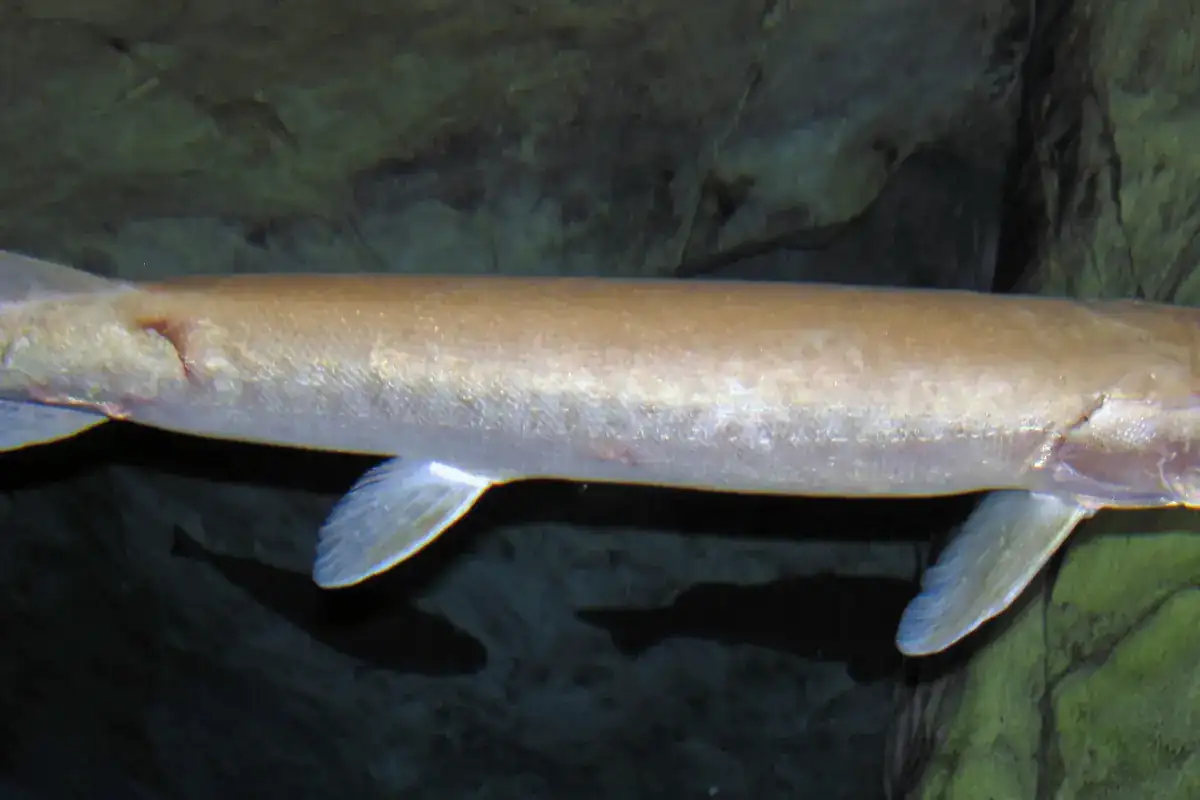
Muskellunge
Esox masquinongy
_4.jpg)
Related gear
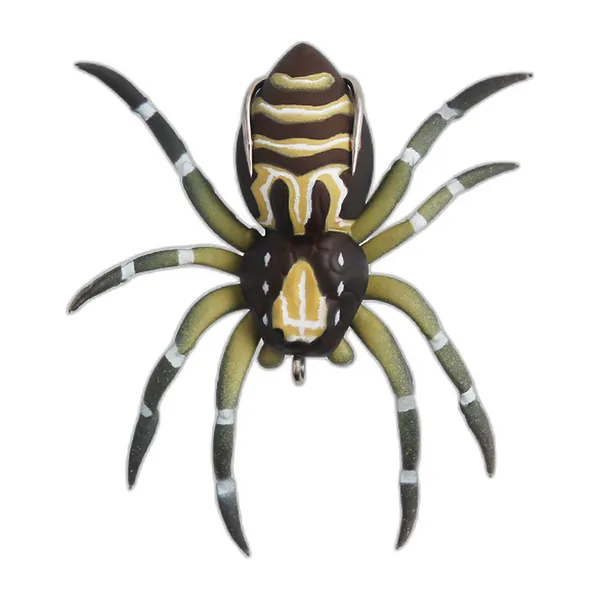 Floating Spider Soft Lures, Pack of 6
For : largemouth bass, smallmouth bass, chub · crankbait and hard-lure fishing
€33.90£19.90Not shipped to the United States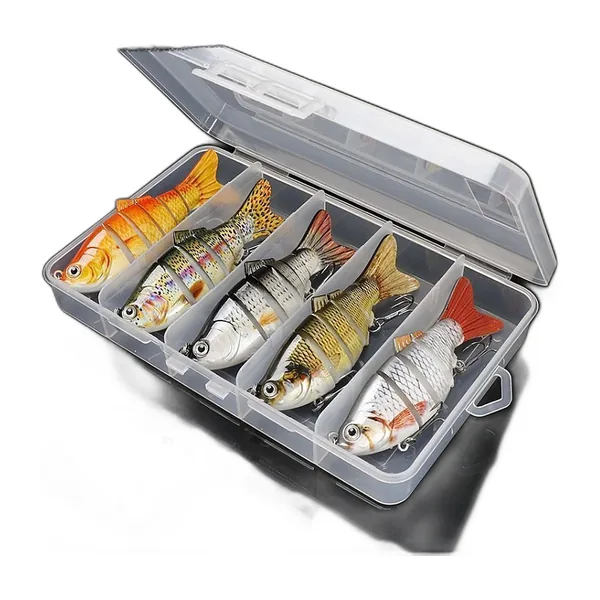 10 cm Hard Lures, Pack of 5 with Box
For : northern pike, zander, walleye · crankbait and hard-lure fishing
€30.90£16.90Not shipped to the United States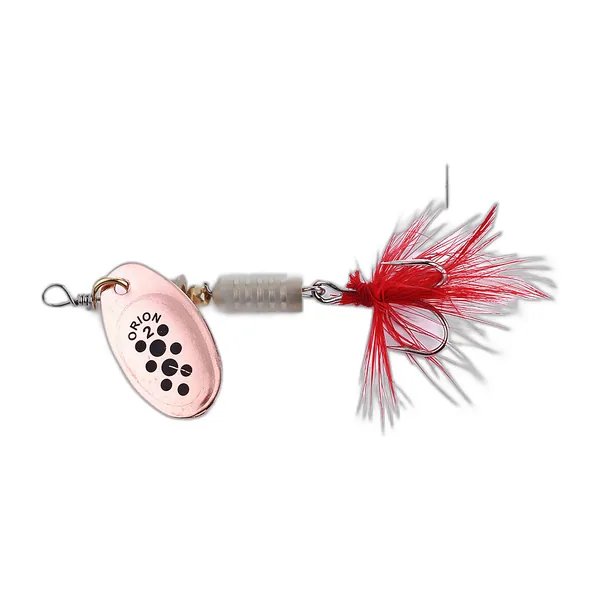 Inline Spinners, Pack of 6
For : brown trout, rainbow trout, european perch · spoon and spinner fishing
€27.90£14.90Not shipped to the United States
The giant of the pike family
The muskellunge is the largest member of the pike family. Native to North America (Great Lakes, St. Lawrence, the Ohio and upper Mississippi basins and southern Canada), it lives, according to FishBase, in clear, weedy lakes, quiet pools and backwaters of creeks and rivers. It is a solitary ambush hunter that eats mainly fish but occasionally ducklings, muskrats and snakes.
Sizes
Common length is 95 cm (37.4 in); the maximum published is 183 cm (72 in) and 31.8 kg (70.1 lb), with a maximum age of 30 years (FishBase). Slow growth and low numbers make it a trophy species, famously the "fish of 10,000 casts".
Spawning and seasons
Muskies spawn in spring as the ice melts (FishBase), usually a little after northern pike. States and provinces often set late openers and very high minimum sizes to protect this slow-growing fish, and individual waters may have stricter rules. Check the regulation page for your lake or river.
Summer and especially autumn are the best times, when big fish feed up before winter. Low light and weather fronts often trigger activity.
Methods and tackle
Musky fishing requires heavy gear: a powerful rod, a strong reel, heavy braid and a steel or very thick fluorocarbon leader. Bucktails, jerkbaits, glide baits, big soft plastics and topwaters are the classics. Finish every cast with a figure-eight at the boat, which often converts followers. Fly anglers target them with very large flies.
Releasing muskies
Nearly all musky anglers release their fish. Landsman and colleagues (2011) evaluated the physiology, behaviour and survival of adult muskies caught and released by specialist anglers. Good practice: a large cradle or oversized net so the fish stays in the water while you unhook it, long pliers and heavy hook cutters for trebles, a quick photo with the fish supported horizontally, and no drawn-out fights in warm water.
Tackle checklist
Expect to use a heavy 8-9 ft rod, a baitcasting reel with plenty of drag, 80 lb-class braid and a 100-130 lb fluorocarbon or wire leader. A cradle or oversized net, 12-inch pliers, heavy hook cutters and a bump board for measuring are standard kit on musky boats.
Lures and baits
- Bucktails
- Jerkbaits and glide baits
- Large soft plastics
- Topwaters
- Big flies
Catch and release
- Large cradle-style net so the fish stays in the water while unhooking.
- Long pliers and heavy hook cutters.
- Quick photo, fish supported horizontally.
- Avoid long fights in warm water.
Minimum size for Muskellunge by area
United States : 66–137.2 cm (24)
| Colorado | 91.4 cm |
| Connecticut | 66 cm |
| Idaho | 101.6 cm |
| Illinois | 91.4 cm |
| Indiana | 91.4 cm |
| Kentucky | 76.2 cm |
| Maryland | 91.4 cm |
| Massachusetts | 71.1 cm |
| Michigan | 106.7 cm |
| Minnesota | 137.2 cm |
| Montana | 101.6 cm |
| Nebraska | 101.6 cm |
| New Jersey | 101.6 cm |
| New Mexico | 101.6 cm |
| New York | 101.6 cm |
| North Carolina | 106.7 cm |
| North Dakota | 121.9 cm |
| Pennsylvania | 101.6 cm |
| Tennessee | 91.4 cm |
| Virginia | 101.6 cm |
| Washington | 127 cm |
| West Virginia | 76.2 cm |
| Wisconsin | 101.6 cm |
| Wyoming | 91.4 cm |
Canada : 112 cm (1)
| Ontario | 112 cm |
Studies cited
- Landsman et al. (2011) Evaluation of the physiology, behaviour, and survival of adult muskellunge (Esox masquinongy) captured and released by specialized anglers Fisheries Research doi:10.1016/j.fishres.2011.05.005
Evaluates the physiology, behaviour and survival of adult muskellunge caught and released by specialist anglers.
Official sources
- FishBase – Esox masquinongy (fiche espèce ; statut IUCN Red List 2025-2 repris par FishBase) (accessed on 23 September 2026)
- Vlaamse overheid – Visverlof (verplicht voor recreatief vissen op de openbare binnenwateren van het Vlaamse Gewest) (accessed on 23 September 2026)