Ide
Leuciscus idus
Related gear
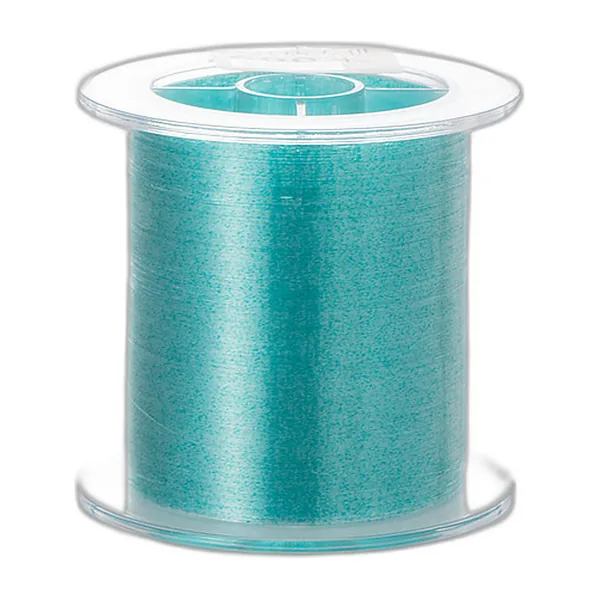 Camouflage Nylon Line, Light Blue, 1,000 m
For : roach, common bream, common carp · float fishing (waggler and stick float)
€30.90£14.90Not shipped to the United States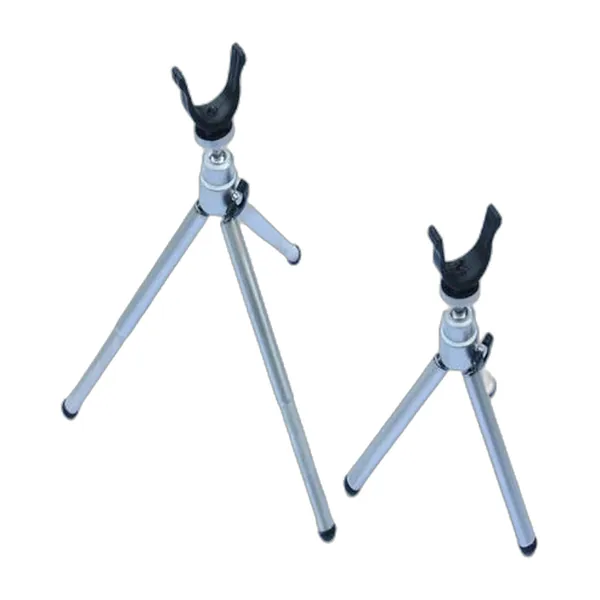 Small Folding Aluminium Rod Tripods, Pack of 2
For : common carp, common bream, tench · feeder fishing
€26.90£13.90Not shipped to the United States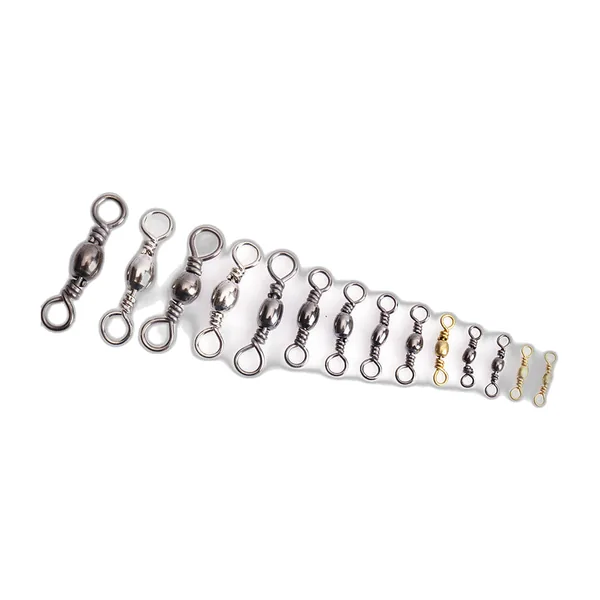 Stainless Steel Swivels, Pack of 100
For : northern pike, zander, walleye · feeder fishing
€29.90£14.90Not shipped to the United States
A big, discreet cyprinid
The ide looks like a deep-bodied chub with slightly pinkish fins. Its golden variety, the orfe, is well known in ornamental ponds, and escaped or stocked orfe turn up in some UK waters. FishBase describes the ide in large lowland rivers and nutrient-rich lakes. Adults tend to live alone, while juveniles shoal along the shores before moving to deeper water as they grow. It is common in the Netherlands, Germany and central Europe, where it is a popular sport fish.
What ide eat
Ide eat a wide variety of aquatic and terrestrial animals and plant material, and larger fish feed mainly on fish (FishBase). Brabrand's (1985) study of roach and ide shows how diet shifts shape competition between these two omnivores, and the CABI datasheet by Siriwardena (2008) summarises the species' biology and introductions. For anglers, this means ide can be caught on maggots, small lures and flies alike.
Sizes
Common length is 30 cm (11.8 in); the maximum published is 85 cm (33.5 in) standard length and 4 kg (8.8 lb), with a maximum age of 29 years (FishBase).
Spring migration
In early spring, ide migrate into tributaries to spawn in moderate current over gravel or submerged vegetation. Each female spawns once a season with several males (FishBase). These gatherings make fish vulnerable, and some regions set minimum sizes or protect spawning areas. Check the regulation page.
Methods
On float or feeder tackle with maggots, casters or bread, ide are caught in slack areas of big rivers, marinas and confluences. On lures, a small crankbait or spinner retrieved near the surface draws confident takes, especially on warm days. Fly anglers do well with dry flies and nymphs when ide rise in the evening. In winter, look for them in deep, slow water, often in groups.
Release
Ide fight hard on the surface: use a landing net and single barbless hooks on lures. FishBase notes that the flesh is not tasty, and most anglers release their fish, quickly and into the current.
Tackle checklist
A 12-13 ft float rod or a light feeder rod, 4-6 lb line and size 14-18 hooks cover bait fishing; a light spinning rod with small crankbaits or a 5-weight fly rod covers the rest.
Lures and baits
- Maggots, casters, bread
- Small crankbaits and spinners
- Dry flies and nymphs
- Worms
Catch and release
- Single barbless hooks on lures.
- Use a net: ide thrash at the surface.
- Release quickly into the current.
Minimum size for Ide by area
Belgium : 30 cm (1)
Germany : 20–30 cm (3)
| Brandenburg | 30 cm |
| Nordrhein-Westfalen | 25 cm |
| Sachsen | 20 cm |
Austria : 35 cm (1)
| Wien | 35 cm |
Slovenia : 35 cm (1)
Studies cited
- Brabrand (1985) Food of roach (Rutilus rutilus) and ide (Leusiscus idus): significance of diet shift for interspecific competition in omnivorous fishes Oecologia doi:10.1007/bf00379334
Studies the diet of roach and ide and the importance of diet shifts for competition between omnivores. - Siriwardena (2008) Leuciscus idus (ide) CABI Compendium doi:10.1079/cabicompendium.77315
CABI datasheet on ide: distribution, biology, introductions.
Official sources
- FishBase – Leuciscus idus (fiche espèce ; statut IUCN Red List 2025-2 repris par FishBase) (accessed on 23 September 2026)
- Sportvisunie – VISpas (Gezamenlijke Lijst van Nederlandse Viswateren, VISplanner, NachtVIStoestemming) (accessed on 23 September 2026)
- Vlaamse overheid – Visverlof (verplicht voor recreatief vissen op de openbare binnenwateren van het Vlaamse Gewest) (accessed on 23 September 2026)
- ICNF – Licenças de pesca lúdica e desportiva em águas interiores (licença geral obrigatória, exceto parques de pesca) (accessed on 23 September 2026)