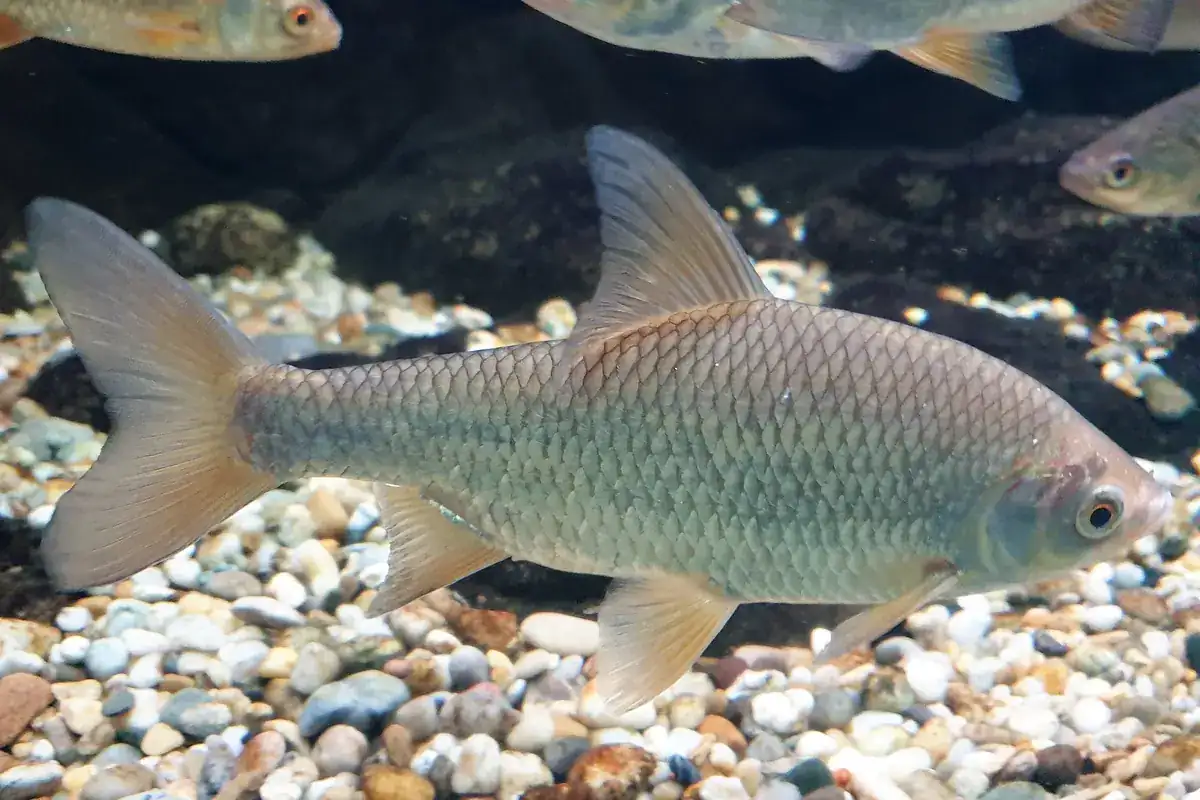
Roach
Rutilus rutilus

Related gear
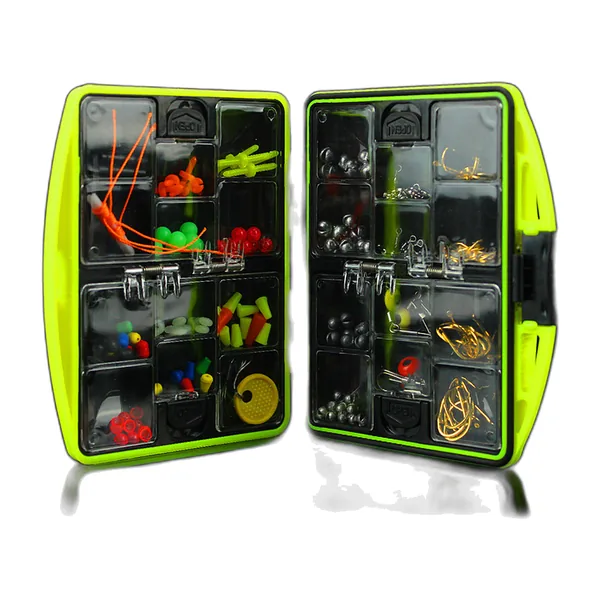 Rigging Accessory Assortment, 184 Pieces
For : roach, common bream, common carp · float fishing (waggler and stick float)
€27.90£13.90Not shipped to the United States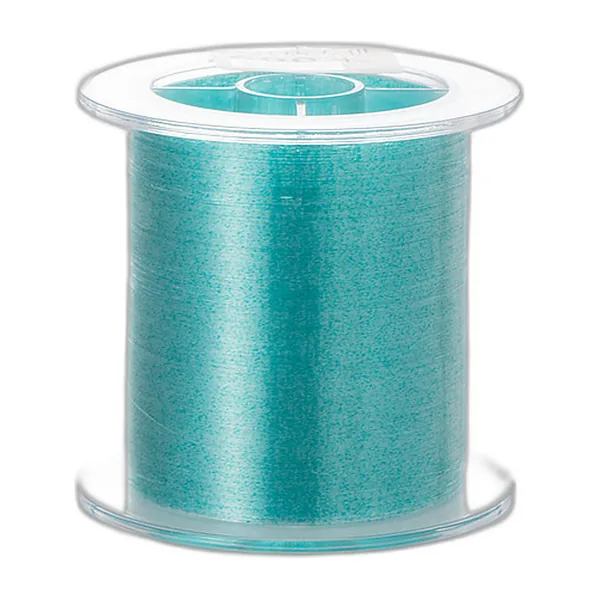 Camouflage Nylon Line, Light Blue, 1,000 m
For : roach, common bream, common carp · float fishing (waggler and stick float)
€30.90£14.90Not shipped to the United States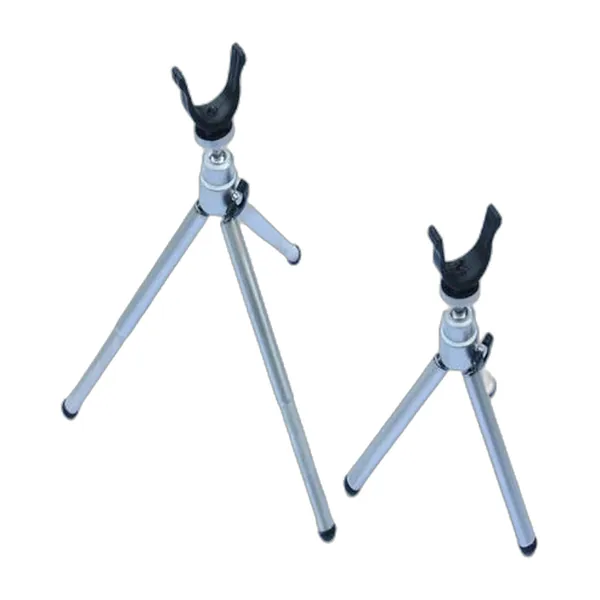 Small Folding Aluminium Rod Tripods, Pack of 2
For : common carp, common bream, tench · feeder fishing
€26.90£13.90Not shipped to the United States
Europe's most-caught fish
Roach are found across almost all of Europe. FishBase describes them mainly in lowland waters, abundant in nutrient-rich lakes and medium to large rivers, but also in backwaters, small streams and even brackish lagoons. In fast rivers they are limited to stretches with shelter and backwaters for overwintering. For British coarse and match anglers, roach are the bread-and-butter species. In Ireland, where they were introduced, they are now widespread.
What they eat
Roach eat bottom invertebrates, zooplankton, plant material and detritus. FishBase notes that they switch habitat and food depending on prey abundance and predators. Brabrand's (1985) study of roach and ide shows how important these diet shifts are in competition between omnivorous fish. On the bank, that explains why the best bait changes from day to day: maggots, hemp, bread or wheat.
Sizes
Common length is 25 cm (9.8 in); the maximum published is 50.2 cm (19.8 in) and 1.8 kg (4 lb), with a maximum age of 14 years (FishBase). A roach of 2 lb (0.9 kg) is considered a specimen by many UK anglers.
Spawning and seasons
Roach spawn in spring, in shoals, among dense vegetation in backwaters and lakes, on flooded meadows or over gravel in fast water; sticky eggs hatch in about 12 days (FishBase). In England and Wales, the coarse-fish close season on rivers (15 March-15 June) covers their spawning; most stillwaters and canals stay open. Roach can be caught all year, and big roach often come in autumn and winter when they gather in deep, slow swims.
Methods
A pole with fine line and a small float gives very precise presentation. Waggler and stick-float tackle reach further out, and a feeder gets to distant shoals. Feed little and often with fine groundbait. In summer, roach also rise to small flies.
Keepnets and release
Pottinger (1998) measured stress indicators in fish held in keepnets. If you retain fish for a session, use a long, wide keepnet fully submerged, do not overcrowd it and release the fish as soon as you finish. Some fisheries restrict keepnets.
Lures and baits
- Maggots, pinkies, squats
- Cooked hemp, wheat
- Bread punch and flake
- Fine groundbait
Catch and release
- Small barbless hooks for quick unhooking.
- Long, wide keepnet fully submerged, not overcrowded, for as short a time as possible.
- Wet hands and a disgorger.
Frequently asked questions
What is the best bait for roach, including in winter and alongside perch, rudd or bream?
The most reliable roach baits are maggots and casters, bread (punch or flake), hemp and sweetcorn. Maggots also catch perch, rudd and bream, while bread and hemp tend to select bigger roach. In winter, scale down: single maggot or small bread punch on a fine hook, with very little feed.
FishBase lists bottom invertebrates, zooplankton, plant material and detritus as roach food, and Brabrand (1985) showed that roach switch between animal and plant food depending on what is available. Baits follow that pattern. Maggots, pinkies and casters are the universal choice and also catch perch, rudd, bream and skimmers, which is useful on mixed venues. Bread, as punch or flake, and hempseed with a caster or tare are more selective and often pick out the better roach; sweetcorn works in summer. For bream on the same swim, heavier groundbait and a bigger bait such as worm or several maggots help. For rudd, which feed higher in the water, a slow-sinking maggot or floating bread near the surface is effective. For perch, a small worm or maggots fished near cover work alongside roach. In winter, fish are less active: use fine lines, small hooks, single maggot or a small punch of bread, and feed sparingly, because overfeeding kills the swim. We have no study ranking baits, so this ranking reflects established practice rather than measured data. In England and Wales, using another fish as bait is only allowed on the water where you caught it (GOV.UK).
Official sources : FishBase – Rutilus rutilus (Rotauge) ; Brabrand 1985 – Food of roach and ide (Oecologia) ; GOV.UK – Freshwater rod fishing rules: tackle you can use
How do you catch roach?
Roach are caught on fine tackle: a pole, a float rod or a light feeder, a small hook and baits such as maggots, casters, hemp, bread or sweetcorn, fed little and often. Present the bait just off the bottom or mid-water. Roach bite all year, and in England and Wales river fishing closes from 15 March to 15 June.
FishBase describes the roach (Rutilus rutilus) as an omnivore of lowland lakes and medium to large rivers, eating bottom invertebrates, zooplankton, plant material and detritus; Brabrand (1985) showed that its diet shifts with food supply and competition. That explains the classic approach. With a pole you fish a precise spot right under the rod tip; with a match rod and waggler or stick float you reach further; with a light feeder rod you present the bait on the bottom in a bed of groundbait. Good baits are maggots, casters, hemp, bread punch or flake and sweetcorn. Feed a little at the start and then little and often so the shoal stays without filling up. Set the bait to trip just over the bottom, or shallower in summer. Fine hooks, ideally barbless, make release easier; Pottinger (1998) measured stress markers in fish held in keepnets, so keep retention short. Rules differ by country: in England and Wales the coarse close season on rivers runs from 15 March to 15 June, and keepnets must meet design rules (GOV.UK). In Ireland no coarse fish over 25 cm may be killed and only four may be kept per day, and moving live roach is banned (IFI).
Official sources : FishBase – Rutilus rutilus (Rotauge) ; Brabrand 1985 – Food of roach and ide (Oecologia) ; Pottinger 1998 – Cortisol, glucose and lactate in carp retained in keepnets (J. Fish Biol.) ; GOV.UK – Freshwater rod fishing rules: when and where you can fish ; GOV.UK – Freshwater rod fishing rules: tackle you can use ; Inland Fisheries Ireland – Angling regulations reminder (pike bye-law 809/2006, coarse fish bye-law 806/2006)
What do roach (the fish) eat?
Roach are omnivores: FishBase lists bottom invertebrates, zooplankton, plant material and detritus. Brabrand (1985) showed that roach switch between animal and plant food depending on supply and competition. That is why both maggots and plant baits such as bread, hemp and sweetcorn catch them.
According to FishBase, the roach (Rutilus rutilus) feeds on bottom-dwelling invertebrates, zooplankton, plant material and detritus. Young roach feed mainly on plankton; older fish take more bottom food such as midge larvae and small molluscs, as well as algae and water plants. Brabrand (1985) studied the diet of roach and ide and showed how diet shifts shape competition between these omnivores: depending on season, water and competitors, roach move between animal and plant food. FishBase also notes that roach change habitat and diet in response to predation pressure. For anglers this means that animal baits such as maggots, pinkies and casters work all year, while plant baits such as hempseed, tares, bread and sweetcorn are often best in warmer months and for larger fish. A fine groundbait with particles draws shoals into the swim. Note that this answer concerns the fish; questions about 'roaches' in homes refer to cockroaches, which are unrelated insects. In Ireland, moving live roach between waters is prohibited under the regulations summarised by Inland Fisheries Ireland, so check before moving any fish.
Official sources : FishBase – Rutilus rutilus (Rotauge) ; Brabrand 1985 – Food of roach and ide (Oecologia) ; Inland Fisheries Ireland – Angling regulations reminder (pike bye-law 809/2006, coarse fish bye-law 806/2006)
What is the best lure for roach?
Roach are not usually caught on lures: they feed mainly on invertebrates, plankton and plant material, so natural baits like maggots, casters and bread work far better. Small flies such as nymphs or tiny wet flies can catch roach, and very small soft baits occasionally do. We found no study ranking lures for roach.
FishBase describes the roach as an omnivore that eats bottom invertebrates, zooplankton, plant material and detritus; it is not a predator of fish. That is why spinning lures rarely catch roach deliberately, and most roach taken on lures are accidental. If you want to catch roach without natural bait, the realistic options are small artificial flies, which imitate the insects roach eat: small nymphs, buzzers and wet flies fished slowly, or small dry flies when roach rise in summer. Tiny soft plastics and micro jigs used for perch sometimes pick up roach too. For consistent catches, however, natural baits are the proven choice: maggots, casters, hempseed and bread fished under a float or on a feeder. We did not find a scientific study comparing lures for roach, so this answer reflects the species' diet rather than measured catch rates. Note that in England and Wales, lures and baits are restricted in some areas during the coarse close season on rivers from 15 March to 15 June, when coarse fishing on rivers is not allowed at all (GOV.UK).
Official sources : FishBase – Rutilus rutilus (Rotauge) ; GOV.UK – Freshwater rod fishing rules: when and where you can fish
How big do roach get?
Roach commonly reach about 25 cm (10 in); FishBase gives a published maximum of 50.2 cm, 1.8 kg (about 4 lb) and 14 years. Most roach caught are well under 25 cm, and a fish of a few pounds is exceptional. In Ireland, no coarse fish over 25 cm may be killed.
FishBase gives the roach (Rutilus rutilus) a common length of 25 cm total length, a published maximum length of 50.2 cm, a maximum weight of 1.8 kg and a maximum reported age of 14 years; it matures at around 14 cm. Growth is slow and depends strongly on food and competition: in crowded waters roach stay small, while in rich waters with fewer competitors, such as some large lakes and rivers, specimen fish develop. Large roach are often old fish, which is one reason anglers increasingly return them. Keeping rules differ: in England and Wales anglers may take up to 15 small fish up to 20 cm per day from rivers, including roach, and must follow local byelaws (GOV.UK); in Ireland, Inland Fisheries Ireland summarises that no coarse fish over 25 cm may be killed and only four coarse fish may be kept per day. Weigh and photograph big roach quickly on a wet mat and return them, handling with wet hands. National record weights are kept by angling bodies; we did not verify a current record for this answer.
Official sources : FishBase – Rutilus rutilus (Rotauge) ; GOV.UK – Freshwater rod fishing rules: fish size and catch limits ; Inland Fisheries Ireland – Angling regulations reminder (pike bye-law 809/2006, coarse fish bye-law 806/2006)
Where should you fish for roach?
Fish for roach in slow to moderate lowland rivers, canals, lakes, gravel pits and ponds, especially near weed beds, overhanging trees, marinas and deeper slack water in winter. FishBase notes that in fast rivers roach need backwaters and shelter to overwinter. In England and Wales, rivers are closed for coarse fishing from 15 March to 15 June.
FishBase describes the roach mainly as a lowland fish of nutrient-rich lakes and medium to large rivers, also found in backwaters, small streams and even brackish lagoons. In fast-flowing rivers it is restricted to stretches with cover and to backwaters where it can overwinter. In practice, good roach swims are the edges of weed beds, lily pads, overhanging trees, bridge piers, marinas and the inside of bends in summer; in winter, deeper, slower water, backwaters and harbours where shoals concentrate. Canals hold roach along the far-bank cover and near boat moorings. On stillwaters, look for shoals feeding over features or at the margins in coloured water. Rules matter as much as location: in England and Wales you cannot fish for coarse fish on rivers from 15 March to 15 June, while most stillwaters and canals are open all year subject to local byelaws, and a rod licence is required from age 13 (GOV.UK). You also need the permission of the fishery owner or club. In Ireland there is no national coarse close season according to IFI's summary, but coarse fish over 25 cm may not be killed.
Official sources : FishBase – Rutilus rutilus (Rotauge) ; GOV.UK – Freshwater rod fishing rules: when and where you can fish ; GOV.UK – Buy a rod fishing licence: when you need a licence ; Inland Fisheries Ireland – Angling regulations reminder (pike bye-law 809/2006, coarse fish bye-law 806/2006)
Minimum size for Roach by area
Luxembourg : 15 cm (2)
Germany : 15 cm (1)
| Rheinland-Pfalz | 15 cm |
Studies cited
- Brabrand (1985) Food of roach (Rutilus rutilus) and ide (Leusiscus idus): significance of diet shift for interspecific competition in omnivorous fishes Oecologia doi:10.1007/bf00379334
Studies the diet of roach and ide and how diet shifts shape competition between omnivorous fish. - Pottinger (1998) Changes in blood cortisol, glucose and lactate in carp retained in anglers’keepnets Journal of Fish Biology doi:10.1111/j.1095-8649.1998.tb01828.x
Measures stress indicators (cortisol, glucose, lactate) in fish (carp) held in anglers' keepnets: useful for match anglers who retain catches.
Official sources
- FishBase – Rutilus rutilus (fiche espèce ; statut IUCN Red List 2025-2 repris par FishBase) (accessed on 23 September 2026)
- GOV.UK – Freshwater rod fishing rules (accessed on 23 September 2026)
- Sportvisunie – VISpas (Gezamenlijke Lijst van Nederlandse Viswateren, VISplanner, NachtVIStoestemming) (accessed on 23 September 2026)
- Vlaamse overheid – Visverlof (verplicht voor recreatief vissen op de openbare binnenwateren van het Vlaamse Gewest) (accessed on 23 September 2026)
- ICNF – Licenças de pesca lúdica e desportiva em águas interiores (licença geral obrigatória, exceto parques de pesca) (accessed on 23 September 2026)